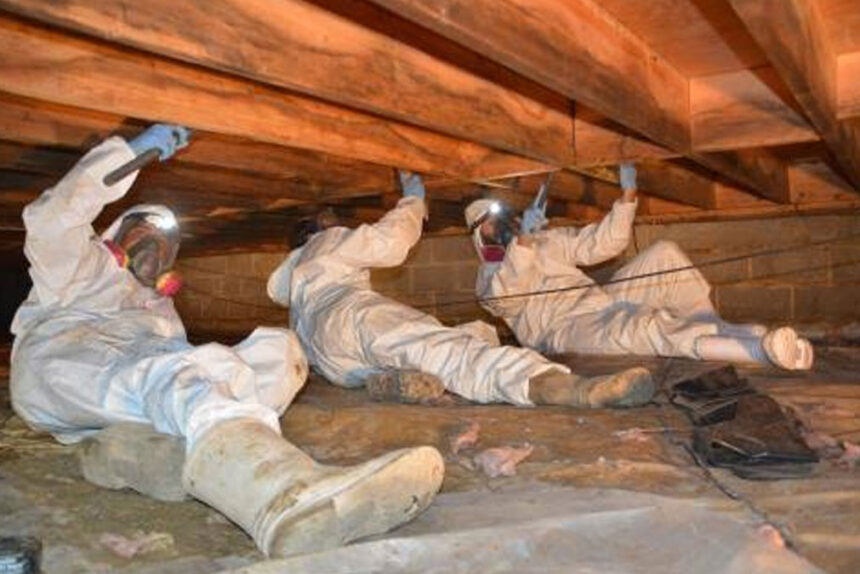
Warm, humid summers and frequent rain in Prince George can turn a vented, dirt floor crawl space into a persistent moisture trap. When humidity, standing water, or air leaks collect under the house, wood components absorb moisture, insulation slumps, and musty odors carry upstairs. If you are wondering whether you need repairs or full encapsulation, start by reading the signs, understanding local causes, and choosing fixes in the right order. This article explains how to spot crawl space trouble, why it develops here, and which repair steps provide durable results without trapping water or inviting future rot.
-
Signs Your Prince George Crawl Space Is In Trouble
Indoor symptoms often appear before you see what is happening below. Cupped hardwood boards, persistent musty odors after rain, or floors that feel springy over certain rooms point to elevated moisture in the crawl space. Rust on HVAC duct straps, condensation dripping from supply lines in summer, or higher-than-usual utility bills are additional red flags. Practical, step-by-step checklists from sources such as vanceinsulation.com can help you compare what you are seeing with common moisture patterns and decide whether a closer inspection is warranted.
In the crawl space itself, look for standing water or a tide line on block walls, mud on footings, or efflorescence (a powdery white salt) on masonry. Drooping fiber insulation from joists, fungal growth on the band joist, or water-stained sill plates indicate prolonged humidity. A thin, torn sheet of plastic on the soil, unsealed seams, or gaps at piers suggest the vapor barrier is not continuous. These conditions aren’t cosmetic; they let wood moisture content rise, which can lead to rot around girders and an uneven floor above.
-
Why Moisture Builds Up Under the House
Several common pathways let moisture build up in a crawl space in Prince George. Vented crawl spaces draw in outside air during summer. That warm, damp air cools against chilled ductwork and the shaded crawl space floor, causing condensation on metal and wood. Over time, droplets feed mold on joists and saturate fiberglass batts until they sag. If the rim joist and penetrations aren’t air-sealed, this moisture-laden air also moves upward into living areas, carrying musty odors and allergens.
Bulk water is another driver. Downspouts that discharge near the foundation, negative grading that slopes toward the house, and high water tables during storms can push water through porous block walls or along footers. Plumbing leaks or a disconnected condensate line can dump gallons of water directly into the crawl. Clay-heavy soils common across central Virginia slow drainage; water lingers and evaporates into the crawl space air, keeping relative humidity high even days after a storm.
-
Repair in the Right Order: Manage Water, Then Seal and Dry
Successful repairs follow a sequence. Start with exterior water management: extend downspouts 6 to 10 feet from the foundation, add splash blocks, and reestablish positive grading so soil slopes away. Inside the crawl, address standing water with a perimeter drain to a sealed sump basin, a reliable sump pump with a check valve, and a lid to control humidity. Only after liquid water is controlled should you proceed to encapsulation; otherwise, you risk trapping water beneath plastic where it can still wick into wood and masonry.
Next, install a continuous vapor barrier. Use heavy polyethylene sheeting with overlapped seams taped with vapor tape; wrap and seal around piers; and mechanically fasten the liner to the foundation walls. Air seal vents and the rim joist with foam and caulk. Then control ambient humidity with a crawl space dehumidifier sized for the cubic footage, routed to drain automatically into the sump or outside. One real-world pattern: a home with cupped floors and sweaty ducts stabilized after vents were sealed, a 12- to 20-mil liner was installed wall to wall, and a dehumidifier maintained 45 to 55 percent relative humidity.
-
Choosing Materials and Systems That Last in Crawl Spaces
Material choices involve trade-offs you can feel later. Thin 6 mil plastic costs less but punctures easily during service visits; thicker liners (12 to 20 mil) resist tears, reduce vapor transmission, and stay intact around piers. Insulation location matters too. Fiberglass batts between joists absorb moisture and invite sagging. In many encapsulated crawls, rigid foam (such as foam boards rated for below-grade use) on the interior foundation walls performs better; it keeps the space within the home’s thermal boundary and helps protect pipes. Leave a small inspection gap at the top of the foam, as required by local pest management practices.
System details make or break longevity. A sealed sump lid reduces humidity spikes and odors. The dehumidifier condensate line should slope continuously to a drain point and include a cleanout. Sealing the rim joist prevents warm summer air from cycling through the space and overwhelming the dehumidifier. Consider a floating service walkway over the liner to prevent damage during HVAC or plumbing work. In another common scenario, a crawl space flooded after thunderstorms, then dried and stabilized once downspout extensions were added; a shallow interior drain led to a sump; and only then were encapsulation and humidity control installed.
After the Repair: Monitoring and Simple Maintenance
Encapsulation and structural fixes are not the end of the job. Place a hygrometer in the crawl space and check it seasonally; aim for 45 to 55 percent relative humidity. Clean or replace the dehumidifier filter on the manufacturer’s schedule, and verify that drainage remains continuous. Test the sump pump before major storms by lifting the float and confirming discharge outside. After service visits, inspect the vapor barrier for punctures and retape any seams that separate. Outside, keep gutters clear and maintain grading so roof runoff stays away from the foundation. These small tasks protect joists, girders, and sill plates from sliding back into trouble.