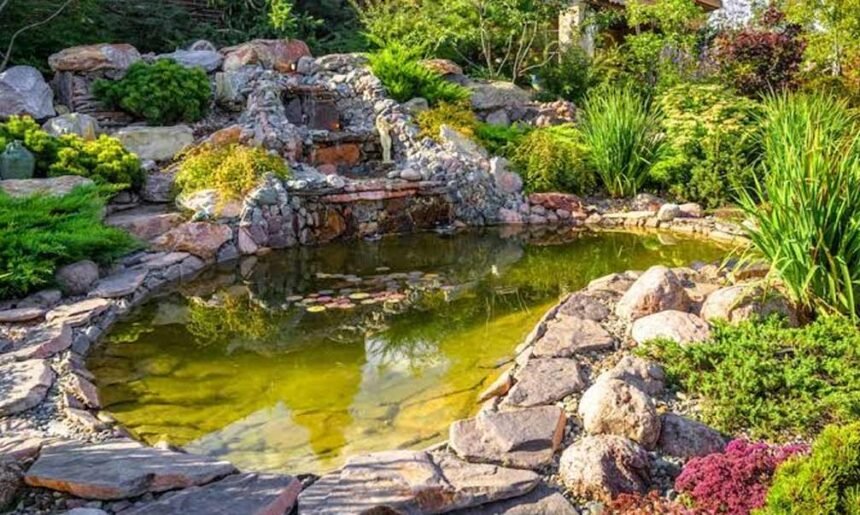
Lawrence yards face a tough mix: hot, windy summers, sudden cloudbursts, winter freeze-thaw cycles, and heavy, compactable clay soils. Success here starts by planning for water movement, root oxygen, and temperature swings before a single plant goes in the ground. That means deciding where stormwater should soak in versus safely drain away, choosing plants that can handle clay and summer heat, and building hardscapes that won’t heave or ravel apart. This article focuses on the details that make a Lawrence landscape last: soil structure, drainage features, plant palettes, lawn choices, and care routines that work with our climate instead of against it.
-
What Lawrence’s Climate and Clay Soils Demand From Your Yard
Clay holds nutrients well but sheds water when compacted, so test infiltration by filling a 12-inch-deep hole and timing how quickly it drains. If water lingers, loosen the top 6 to 8 inches with compost, consider adding expanded shale for structure, or switch to raised beds where needed. In full sun, west-facing foundations and concrete reflect heat that stresses shallow-rooted species; use deep-rooted, heat-tolerant plants and light colored mulch to moderate soil temperatures. Local planning that accounts for these patterns is the backbone of Landscaping in Lawrence, KS that endures wind, downpours, and hard freezes without constant rescue watering.
-
Shaping Water: Swales, Rain Gardens, and Dry Creek Beds
Grade soil to carry water away from the house at roughly a gentle 2 percent fall, then slow and absorb flow with a vegetated swale or a shallow rain garden. Extend downspouts 6 to 10 feet with solid pipe to a dispersion area, or connect to a French drain with washed gravel and perforated pipe wrapped in fabric. A dry creek bed lined with geotextile and anchored with river rock or Kansas limestone cobble can handle occasional torrents without washing out, while still allowing infiltration in routine rains.
Plant rain gardens with deep-rooted natives that tolerate brief ponding and summer drought, such as blue flag iris at the basin, followed by switchgrass, black-eyed Susan, and purple coneflower farther upslope. A common mistake is routing sump discharge across a sidewalk or driveway; winter icing is dangerous and can damage concrete. Instead, daylight that line to lawn or a rock-lined swale where water can spread and sink. In a sloped backyard that puddles by the fence, a shallow berm paired with a meandering swale often redirects water to a planting zone rather than a neighbor’s yard.
-
Plant Palettes That Thrive Here, Not Just Survive
Lean on species adapted to clay and heat. Ornamental and prairie grasses like little bluestem, prairie dropseed, and blue grama add structure, sway in the wind, and anchor slopes. Pair them with perennials such as catmint, salvia, yarrow, and baptisia for long bloom windows and pollinator value. For shrubs, ninebark, viburnum, and serviceberry handle Kansas swings and give spring flowers and fall color; trees like bur oak, redbud, and Kentucky coffeetree establish deep roots and cast reliable shade. In a west-facing front bed beside a hot driveway, plant sedum, Russian sage, and feather reed grass, and use light colored gravel bands to reduce heat load and splashback.
-
Lawn Decisions: Fescue, Buffalograss, or Less Lawn
Tall fescue is the typical cool season turf here; it stays greener in spring and fall, prefers afternoon shade, and responds well to core aeration and September overseeding. In full sun, areas needing minimal maintenance, buffalograss is a drought-tolerant warm-season alternative that needs less mowing but goes tan in cold months. The tradeoff is aesthetics versus irrigation: fescue may need supplemental water in July and August, while buffalograss handles heat with minimal watering but offers a different seasonal look. If erosion is the concern on a south-facing slope, a native grass and wildflower mix with erosion control blankets can establish deeper roots than sod, while a microclover and fescue blend can reduce fertilizer needs in small play areas.
Hardscape and Care Choices That Hold Up to Freeze-Thaw
Pavers and flagstone last when the base is right: excavate to undisturbed subsoil, install geotextile if the clay pumps under load, and compact 4 to 8 inches of angular aggregate in thin lifts. Use polymeric sand in joints and consider permeable pavers where runoff is a problem. Limestone flagstone should be thick enough to avoid rock flex over voids; set it on decomposed granite or screenings and keep joints tight. For beds, 2 to 3 inches of shredded hardwood moderates soil temperature and builds organic matter; rock mulch stays put in swales but heats up and can bake shallow roots. Avoid volcano mulching: keep the trunk flare exposed and mulch pulled back 3 to 4 inches. Drip irrigation on planting beds (with pressure regulation and a filter) waters roots efficiently; a smart controller with a rain sensor reduces waste. Each late winter, cut ornamental grasses back before new growth, divide overcrowded perennials, inspect downspout connections, top off mulch, and edge beds so gravel or bark doesn’t creep into lawn.
Bringing all of this together starts with a site walk. Mark where water currently pools or scours, note sun and wind exposure, test your soil, and sketch how a swale, dry creek bed, or small rain garden could intercept and use stormwater. Then match plants to those microclimates, decide honestly how much lawn you want to maintain, and choose hardscape materials that can take a freeze-thaw beating. Whether you build it yourself or partner with a local pro, landscapes in Lawrence perform well when soil structure, drainage, plant selection, and seasonal care are planned as one connected system.