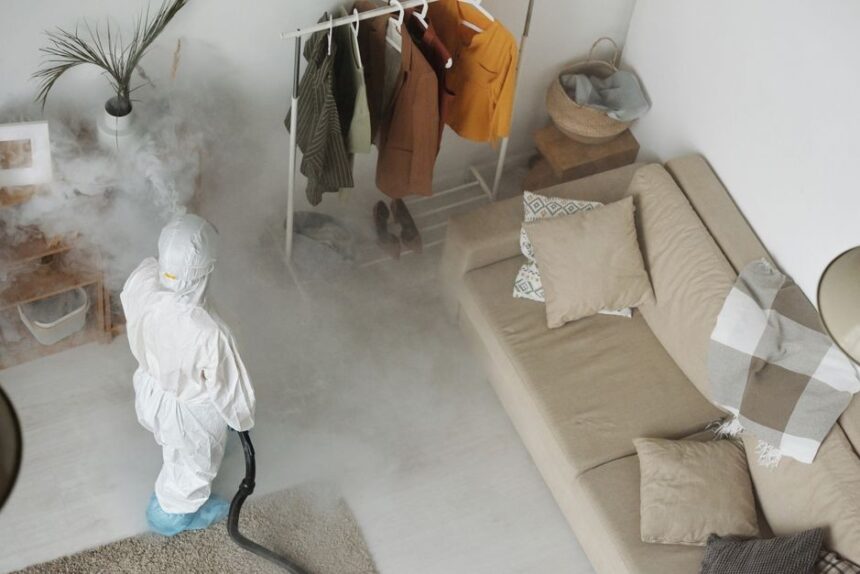
Mold is one of those home problems that can start small and act innocent, then suddenly become the unwanted roommate you never agreed to live with. The tricky part is that it doesn’t always show itself right away. A little moisture, a missed leak, or poor airflow can give it the perfect place to settle in. If you want your space to feel fresh and healthy, it helps to know what mold likes, where it hides, and what simple habits can keep it from getting too comfortable.
Why Mold Shows Up
Mold loves three things: moisture, warmth, and time. If a space stays damp long enough, mold can start growing on drywall, wood, fabric, or even behind wallpaper. That’s why it often shows up after leaks, plumbing issues, or long stretches of humidity.
Your home doesn’t need to be messy or old for mold to appear. A newer apartment with weak bathroom ventilation can have the same problem as an older house with a damp basement. Mold is not picky. It just wants a wet place to party.
Most of the time, small surface spots can be handled early, but repeated growth is a sign that the deeper issue has not been fixed. If the problem keeps coming back or spreads beyond a small patch, professional mold remediation may be needed to deal with the source and the damage properly.
Early Clues to Catch
Mold does not always walk in wearing a giant name tag. Sometimes the first sign is a musty smell that lingers even after you clean. It can smell earthy, stale, or like wet cardboard that lost the will to live.
You might also notice:
– Small dark spots on walls or ceilings
– Peeling paint or bubbling drywall
– Water stains that keep getting bigger
– Condensation around windows
– Allergy-like symptoms that feel worse at home
Pay attention to changes that seem random at first. A closet that smells damp, a bathroom corner that never dries, or a wall that feels cool and clammy can all be early warnings. The sooner you catch these clues, the easier the fix usually is.
If you ignore them, mold tends to get bolder. It’s basically the houseguest version of “give it an inch, it takes the whole sofa.”
Habits That Lower Risk
The best way to deal with mold is to make your home less inviting to it. That sounds fancy, but it mostly comes down to moisture control and airflow.
Start with your daily routines. Run the bathroom fan during showers and leave it on for a bit afterward. Open a window when cooking if steam builds up fast. Wipe down shower walls, window sills, and any puddles that like to hang around too long.
A few helpful habits include:
– Fixing leaks as soon as you spot them
– Keeping furniture a little away from exterior walls
– Using a dehumidifier in muggy spaces
– Not leaving wet towels or clothes in piles
– Checking under sinks every so often
You do not need a perfect home routine. You just need a consistent one. Mold often wins when little damp problems stay unnoticed for weeks. Even a five-minute check once in a while can save you a lot of stress later.
Rooms That Need Watch
Some areas of your home deserve a little extra side-eye. Bathrooms are at the top of the list because they deal with steam, splashes, and often poor ventilation. Check around tubs, tile grout, toilets, and under the sink.
Kitchens can also hide trouble. Look around the dishwasher, fridge water line, sink cabinet, and backsplash. A tiny drip under the sink can create a big problem if nobody notices it for months.
Laundry areas are another sneaky spot. Washers can leak, dryer vents can trap moisture, and laundry rooms often have less airflow than the rest of the house.
Don’t forget windows, closets, and basements. Windows collect condensation. Closets can trap stale air, especially if packed tight. Basements tend to stay cool and damp, which mold finds very romantic.
A quick visual check in these spaces every couple of weeks can help you catch issues before they start spreading behind walls or under flooring.
When Small Problems Grow
A tiny spot on the ceiling is not always a disaster, but some signs tell you the issue may be bigger than it looks. If the same area keeps staining over and over, there is probably an active moisture source hiding above it.
Watch for mold that:
– Returns after cleaning
– Spreads across a larger section of wall
– Shows up after a flood or burst pipe
– Appears in multiple rooms
– Comes with strong odors or soft materials
Another clue is damaged surfaces. If drywall feels crumbly, wood looks warped, or paint keeps blistering, moisture may have gotten below the surface. At that point, the visible patch is only part of the story.
This is where people sometimes waste time scrubbing the symptom instead of solving the cause. Cleaning can help with surface mess, but it won’t fix hidden leaks or damp insulation. If the issue seems stubborn, recurring, or widespread, it’s smart to step back and treat it like a home repair problem, not just a cleaning problem.
A Simple Prevention Plan
You do not need a giant weekend project to stay ahead of mold. A simple plan works well if you actually stick with it. Think of it like brushing your teeth for your house. Not glamorous, but very helpful.
Once a month, walk through your home and check for damp smells, stains, condensation, and slow leaks. In rainy seasons or humid months, do those checks a little more often. If you’ve had a spill, leak, or overflow, dry the area fast instead of assuming it will sort itself out.
A basic prevention routine can look like this:
– Check bathrooms and kitchen pipes monthly
– Run fans during and after moisture-heavy tasks
– Clean and dry problem spots quickly
– Use storage bins instead of cardboard in damp areas
– Keep air moving in tight spaces
You do not have to be perfect. Homes collect moisture sometimes, and life gets busy. What matters is noticing patterns early and acting before they grow. A few simple habits can keep your space feeling cleaner, fresher, and a lot less appealing to fuzzy little freeloaders.