A home heating system works quietly in the background for much of the year, making it easy to overlook until something goes wrong. Many furnace problems begin as small mechanical concerns that develop gradually rather than appearing overnight. A faint rattling sound, slightly weaker airflow, or longer heating cycles may seem harmless at first, but these minor changes often signal wear that deserves attention. Addressing these issues early can reduce unnecessary strain on the system and help homeowners avoid unexpected breakdowns during colder months. Routine inspections and timely repairs allow technicians to identify worn components before they affect larger sections of the heating unit. Taking action while repairs remain simple can also reduce overall maintenance expenses and improve indoor comfort. A furnace that receives consistent care generally operates more smoothly, maintains stable temperatures, and experiences fewer interruptions throughout the heating season.
Understanding the Value of Early Attention
-
Why Small Problems Should Never Be Ignored
Mechanical systems rely on dozens of connected components working together with precise timing. When one small part begins to wear out, every connected component may be forced to compensate for the added stress. For example, a loose belt may place additional pressure on the motor, while a clogged filter can reduce airflow and force the blower to work harder than intended. Over time, this chain reaction can damage expensive parts that otherwise would have lasted much longer.
Even tiny amounts of vibration can loosen electrical connections, create unusual noises, or increase friction between moving parts. Furnace repair service helps identify these developing issues before they spread through the heating system and create more extensive mechanical damage. Early maintenance allows adjustments, lubrication, tightening, or replacement of inexpensive components before they become the starting point for larger failures that disrupt comfort and require significantly more complicated repairs.
-
Detecting Wear Before Components Fail
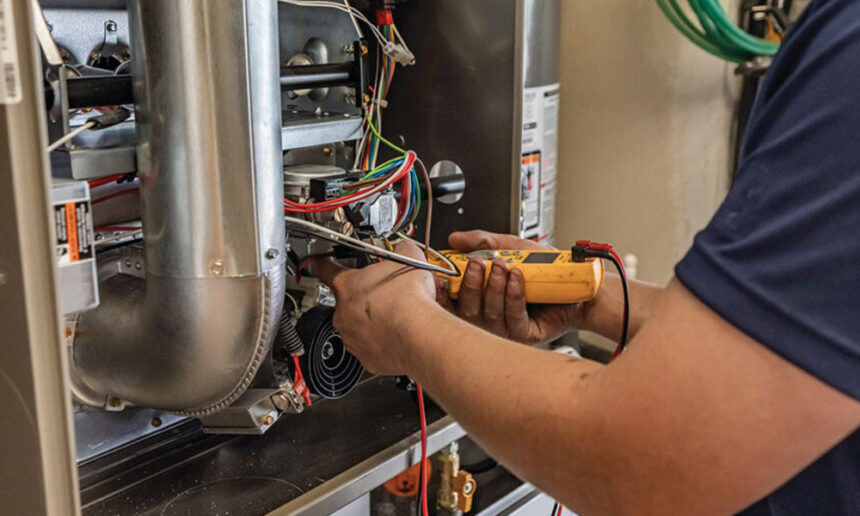
Most furnace components show signs of wear long before complete failure occurs. Bearings may begin producing subtle grinding sounds, ignition systems may hesitate slightly before lighting, and blower motors may gradually lose efficiency. These warning signs are often difficult for homeowners to recognize because they develop slowly over several months. During inspections, technicians examine moving parts, electrical systems, airflow, burners, safety controls, and internal connections to detect abnormalities that might otherwise remain hidden. Measuring airflow, checking voltage, and inspecting heat exchangers provide valuable information about the overall condition of the equipment.
Small corrections made during these visits help restore proper operation before damaged components begin affecting surrounding parts. Preventive attention also helps maintain consistent heating performance by ensuring that every section of the furnace continues to operate within its intended limits. Instead of waiting for complete failure, identifying early warning signs allows repairs to remain manageable while preserving the overall health of the heating system.
-
Reducing Stress on Critical Mechanical Parts
Every furnace contains several mechanical components that operate continuously whenever the heating system is running. The blower motor circulates warm air throughout the home, while belts, bearings, and fans work together to distribute heat efficiently. When one of these parts becomes worn, the remaining components often experience additional stress as they compensate for the reduced performance. Increased friction generates more heat, electrical motors consume more energy, and moving parts wear faster than expected. This added strain can shorten the lifespan of expensive equipment and increase the likelihood of multiple failures occurring simultaneously.
Prompt repairs restore proper balance within the heating system, allowing every component to perform its intended function without unnecessary workload. Maintaining proper alignment, lubrication, and airflow reduces resistance throughout the system, allowing mechanical parts to operate more efficiently. As a result, the furnace experiences less overall wear and remains dependable through repeated heating cycles.
-
Protecting Electrical Systems From Progressive Damage
Modern furnaces depend on numerous electrical components that communicate with one another to regulate heating cycles safely and efficiently. Sensors monitor temperature, control boards coordinate operations, relays activate motors, and wiring delivers power throughout the system. A loose connection, a worn capacitor, or a malfunctioning sensor may appear insignificant at first, yet these small electrical issues can gradually damage larger components if ignored. Intermittent power interruptions may overwork motors, while inaccurate sensor readings can force the furnace to cycle too frequently.
Excessive cycling places additional demands on ignition systems, fans, and electrical controls. Repairing these minor electrical issues before they spread helps maintain reliable operation and minimize the risk of unexpected shutdowns. Careful inspection of wiring, terminals, switches, and electronic controls allows technicians to identify developing concerns before permanent damage occurs. Maintaining healthy electrical connections contributes to smoother furnace operation and reduces the risk of costly failures that affect multiple interconnected systems.
-
Improving Heating Efficiency Through Timely Repairs
Mechanical problems often develop alongside declining operating efficiency. Restricted airflow, worn blower components, dirty burners, or failing ignition systems require the furnace to run longer to produce the same amount of heat. Longer operating cycles increase fuel consumption and place greater stress on mechanical and electrical components. As efficiency declines gradually, homeowners may notice higher utility bills without realizing that small, repairable issues are responsible. Addressing these concerns early allows the furnace to return to normal operating conditions, reducing unnecessary energy use while supporting consistent indoor temperatures.
Properly functioning components distribute warm air more effectively throughout the home, preventing cold spots and reducing temperature fluctuations between rooms. Timely adjustments also help combustion systems operate more cleanly, supporting both efficiency and overall system reliability. Improving performance through preventive repairs protects both household comfort and the long-term condition of the heating equipment without requiring major component replacements.
-
Long-Term Protection Starts With Early Repairs
Small mechanical issues rarely remain small when left unattended. Components that experience excessive wear continue placing additional pressure on neighboring parts until larger failures eventually develop. What begins as a minor vibration, restricted airflow, or loose electrical connection can gradually affect motors, ignition systems, safety controls, and heating performance throughout the furnace. Timely inspections and repairs interrupt this progression before significant damage occurs, helping homeowners avoid expensive breakdowns and prolonged heating interruptions.
Maintaining the furnace through regular attention supports dependable operation, improved efficiency, and greater equipment longevity. By addressing emerging concerns early rather than postponing repairs, homeowners establish a proactive maintenance routine that protects comfort, reduces unnecessary expenses, and helps the heating system continue operating safely and reliably for many years.