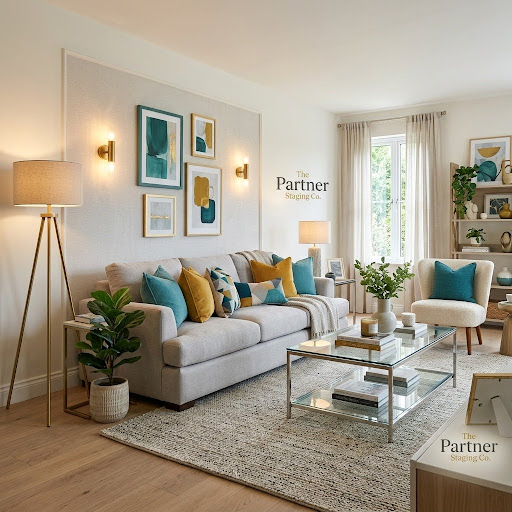
Selling a home is rarely just about square footage or location. Buyers don’t fall in love with floor plans—they fall in love with feelings. The moment they step through the door, they’re already deciding whether they can picture their life unfolding inside those walls. That’s exactly where professional home staging changes the game.
The real estate market moves fast. Listings compete for attention not only on the street but across online platforms where a potential buyer might scroll past hundreds of properties in a single afternoon. In that environment, first impressions don’t just matter—they’re everything. A professionally staged home doesn’t just look better in photos; it communicates value, care, and possibility in a way that empty or cluttered rooms simply cannot.
So what makes staging so effective, and why are more sellers turning to professional staging services to secure faster sales at higher prices?
What Does Home Staging Actually Do for a Property?
At its core, staging is the art of preparing a home for sale by arranging furniture, décor, and design elements to highlight the property’s best features. It’s strategic, not decorative. Every piece placed in a room is chosen to guide the buyer’s eye, create flow, and evoke an emotional response.
An empty living room leaves buyers guessing. A staged one answers questions before they’re even asked—how large is the space? Can a sectional sofa fit? Does the natural light reach the back corner? Staging eliminates doubt and replaces it with confidence.
Professionally staged homes also photograph significantly better, which directly impacts how many showings a listing generates. According to the National Association of Realtors, 82% of buyer’s agents reported that staging made it easier for buyers to visualize the property as their future home. That kind of buyer engagement translates into more offers, faster decisions, and stronger negotiating positions for sellers.
Why Vacant Homes Especially Benefit From Staging Services
Vacant properties present a unique challenge. Without furniture, rooms feel smaller, colder, and harder to connect with emotionally. Walls look scuffed. Floors seem worn. Every minor imperfection draws the eye because there’s nothing else to look at.
Staging fills that emotional void. It brings warmth, proportion, and life back into a space, giving buyers the context they need to say, “Yes, this is it.”
For investment properties, new builds, and homes that have sat on the market longer than expected, staging is often the single most impactful intervention available before a price reduction becomes the only other option. A well-staged vacant home communicates that it has been cared for—and buyers respond to that signal.
The Design Details That Make Buyers Stop Scrolling
Professional staging goes far beyond arranging a sofa and adding throw pillows. The most effective staging services consider every layer of a room:
- Furniture scale and layout: Pieces are chosen to complement the room’s dimensions, not overpower or underwhelm them.
- Color cohesion: A consistent palette creates calm and continuity throughout the home, making it feel curated rather than assembled.
- Lighting strategy: Layered lighting—ambient, task, and accent—adds depth and warmth that flat overhead lighting simply can’t replicate.
- Lifestyle vignettes: Small, styled moments like a book beside a reading chair or fresh greenery on a kitchen counter invite buyers to imagine their own daily rhythms in the space.
- Curb appeal alignment: Great staging doesn’t stop at the front door. Exterior presentation sets expectations before buyers even walk in.
Each of these elements works together to create an experience—and experience is what sells homes.
How Staging Affects Sale Price and Time on Market
The financial case for staging is compelling. The Real Estate Staging Association (RESA) has consistently found that staged homes sell faster and closer to—or above—asking price compared to non-staged counterparts. Homes that sit on the market for extended periods tend to accumulate stigma, prompting buyers to wonder what’s wrong and agents to suggest price drops.
Staging interrupts that cycle early. By maximizing the property’s visual and emotional appeal from day one, sellers protect their asking price and reduce the carrying costs associated with a prolonged sale. In competitive markets, staging can be the deciding factor between a bidding war and a stale listing.
For sellers weighing the cost of staging against the potential return, the math tends to favor staging—especially when working with a service that understands both design and real estate strategy.
What Sets a Professional Staging Service Apart From DIY Attempts
Some sellers attempt to stage their own homes, rearranging their existing furniture and adding a few decorative touches. While this can help, it rarely achieves the same results as working with professionals who stage properties as their primary expertise.
Professional stagers bring objectivity that homeowners simply can’t. They see the property through a buyer’s eyes, not through years of memories and personal attachment. They know which features to amplify and which distractions to minimize. And they have access to furniture inventory, décor, and styling resources that make even modest spaces look polished and intentional.
The difference shows up immediately in listing photos—and again in how buyers respond during showings.
Choosing a Staging Partner Who Understands the Market
Not all staging services are equal. The best ones combine strong design instincts with a deep understanding of the local real estate market—what buyers in the area expect, what price points demand, and how to present a home so it resonates with the right audience.
The Partner Staging Co. brings together an experienced team of staging professionals who are committed to presenting every home at its absolute highest potential, offering sellers a real competitive advantage by transforming spaces into emotionally compelling, market-ready properties that attract serious buyers and command stronger offers.
Working with a staging service that understands both aesthetics and strategy means sellers aren’t just making their homes look nice—they’re making deliberate decisions that support their real estate goals.
A Smart Investment Before the Sign Goes In the Ground
Home staging isn’t a luxury reserved for luxury listings. Properties at every price point benefit from thoughtful, professional presentation. The goal is always the same: help buyers connect, build confidence, and make an offer.
The homes that sell quickly and at strong prices aren’t always the largest or most renovated. They’re the ones that make buyers feel something the moment they walk through the door—or scroll past the listing photo and stop.
That feeling doesn’t happen by accident. It’s the result of intentional, skilled staging—and it starts long before the open house.
Frequently Asked Questions
How much does professional home staging typically cost?
Staging costs vary based on the size of the home, the scope of work, and whether furniture rental is involved. Most professional staging services offer consultation packages as well as full-service options, making it possible to find a solution that fits different budgets and property types.
Does staging really help a home sell faster?
Yes. Research from the Real Estate Staging Association consistently shows that staged homes spend significantly fewer days on the market compared to unstaged properties. Strong visual presentation drives more showings, which increases the likelihood of receiving competitive offers sooner.
Is staging worth it for a home that needs renovations?
Staging can be highly effective even for homes that require updates. It draws attention to a property’s strengths and helps buyers see past cosmetic imperfections, which can widen the pool of interested buyers and support a better sale outcome.
What’s the difference between home staging and interior design?
Interior design is about creating a space that reflects the homeowner’s personal taste and lifestyle. Staging, by contrast, is focused entirely on the buyer—it’s designed to appeal to the broadest possible audience and facilitate a faster, more profitable sale.