Cracks in drywall, sticky doors, or a damp-smelling basement can make any Joplin homeowner wonder whether the foundation is moving. Because our homes sit on different base types- slab-on-grade, crawl spaces, and full basements- the early clues are easy to misread. Some are cosmetic; others point to settlement, heave, or water pressure against walls. Knowing which is which helps you decide what to fix now and what to monitor. This guide walks through specific interior and exterior signs, simple checks you can perform safely, and when the evidence suggests you should ask for a professional evaluation.
Before repairs are on the table, it helps to understand how movement happens and what technicians look for. Resources such as www.foundations-firm.com explain common stabilization and waterproofing methods, including helical piers, push piers, interior drains, and wall reinforcement. With that context, you can make better observations at home, leading to clearer conversations and more targeted solutions if you decide to schedule an inspection.
-
Early Signs Inside the Home That Point to Movement
Indoors, start with the finishes that telegraph shifting. Diagonal cracks that run from the corners of door or window openings are classic signs of racking. Gaps opening at crown molding or baseboards, or a quarter-inch space where a countertop once met the wall, may indicate settlement beneath a particular bearing wall. A marble that rolls to the same side of a room, or a 4-foot level that consistently reads out of level across a hallway, can reveal a sagging area or a tilt in the floor system.
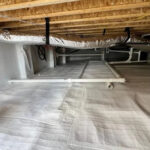
Different structures show stress in different ways. In a crawl space, bouncy floors and nail pops can come from a deteriorated sill plate or a rim joist taking on moisture, not just footings sinking. By contrast, a slab-on-grade home might show tile grout cracking in a consistent line across an open area, reflecting a hairline slab fracture. Scenario one: a 1950s bungalow with a crawl space develops a slope toward the center beam, doors rub the jambs, and daylight appears under baseboards, signs that warrant a look at the piers and moisture conditions under the floor.
-
What Exterior Clues Reveal About Soil and Drainage
Walk the exterior next. In brick veneer, stair-step cracking along the mortar joints, especially when one side is offset, often points to differential settlement. Separations at window lintels, a chimney drifting away from siding, or a growing gap where the porch meets the house are other red flags. Check the grading: soil should fall away from the foundation at least several inches over the first 10 feet. Ensure downspouts discharge well away from the footing; extensions of 6 feet or more reduce the chance of saturation that can soften soils and accelerate settlement.
Basements tell their own story. A horizontal crack at mid-height of a concrete block wall suggests lateral soil pressure, sometimes worsened by clogged gutters or short downspouts that dump water at the wall. Efflorescence, the chalky residue left by evaporating water, maps where moisture routinely enters. Verify that a sump pump, if installed, actually discharges to daylight and not near the same wall you are trying to keep dry. Scenario two: after a spring storm, a split-level home shows a thin stream along the cove joint where the wall meets the slab; short downspouts and flat soil near that corner are the culprits, increasing hydrostatic pressure on the wall.
-
Sorting Cracks: Cosmetic Shrinkage vs. Structural Settlement
Not all cracks are equal. Hairline shrinkage cracks in new concrete slabs can form as the mix cures and may be stable, especially when they run straight and show no vertical displacement. In contrast, a crack with one side higher than the other, or a stair-step pattern in brick that widens toward the top, signals differential movement. Use a simple tape method: place a piece of painter’s tape across the crack and mark it with a pencil line spanning both sides. Recheck in a month to see if the gap changed or the marks no longer line up.
A common mistake is to mask evidence too soon. Filling a widening mortar joint or painting over a recurring drywall crack without first monitoring it can hide whether the movement is active. If a garage slab appears to lift near the exterior wall, that can indicate heave from seasonal moisture under the slab, not settlement. Trapping moisture behind quick cosmetic repairs can also stain finishes and complicate later evaluations. Monitor first; if activity is confirmed, a targeted fix has a better chance of holding.
-
Simple Checks You Can Do Before Calling a Pro
Some fixes cost little and clarify the problem—clean gutters so they do not overtop at the eaves. Add downspout extensions to move discharge well beyond planting beds and walkways. Where soil slopes toward the house, regrade with compactable fill so water flows away from the foundation instead of pooling beside it. If you suspect a plumbing leak under a slab, observe the water meter when all fixtures are off; any movement could suggest a leak that washes soil from under the foundation.
In crawl spaces, lay a 6 mil vapor barrier to reduce ground moisture, and set a hygrometer to track humidity over time. Musty air and dark staining on the sill plate can weaken connections and allow floors to sag. Document what you see: take dated photos with a ruler in the frame, and sketch crack locations on a simple floor plan. Avoid heavy, frequent watering near the foundation; soaking the soil beside the wall swings moisture levels and can worsen expansion and contraction. Trim shrubs that trap water against siding, and think twice about planting large, thirsty trees close to the footing.
When Repairs Move Beyond Patching: Stabilization Paths and Trade-offs
When monitoring shows ongoing movement, long-term stabilization, not just patching, is on the table. Underpinning a settling section with steel push piers transfers load to deeper, competent strata, but those systems rely on achieving adequate resistance at depth. Helical piers, which twist into the soil with helical plates, can be advantageous for lighter structures or tight access areas. The trade-off depends on soil conditions, available working room, and how best to capture loads beneath specific walls or columns.
For bowing or cracking basement walls, carbon fiber straps help restrain minor deflection when the wall remains plumb, while wall anchors or interior brace frames address more pronounced movement. Interior drainage with a sump pump can relieve hydrostatic pressure without excavating the yard, whereas exterior waterproofing targets water before it reaches the wall but requires significant digging. If doors have been rehung repeatedly, drywall repairs keep reopening, or water returns after every heavy rain, it is time to have a foundation specialist evaluate and provide a written plan that ties specific symptoms to specific corrections and maintenance steps.
Foundation trouble rarely starts overnight, and small observations add up. By reading interior cracks near doorways, checking brick for stair-step patterns, improving gutter discharge and grading, and documenting changes over weeks instead of days, Joplin homeowners can separate superficial blemishes from true structural movement. If your record shows progressive changes, a professional assessment can confirm whether stabilization, wall reinforcement, or drainage improvements are warranted and in what order. Good repairs hold up best when they are paired with steady surface water control, routine gutter cleaning, and occasional rechecks of previous crack markers.