Industrial machinery and high-speed automated equipment operate under continuous mechanical stress and thermal loads. Heavy steel components were once the standard across most modern manufacturing production lines. However, their substantial weight creates inertia, accelerates wear, and increases factory energy consumption.
Adding custom lightweight parts to automated machinery changes how well it works and makes it last longer. This blog examines how precisely engineered parts reduce machine stress and repair costs.
Reducing Rotational Inertia
Every time an automated machine starts or stops, drive motors must overcome physical inertia. Heavy steel gears, pulleys, and robotic arms require torque to accelerate quickly. High rotational inertia places continuous thermal strain on electric motors, gearboxes, and drive belts. This heavy strain frequently leads to early mechanical failure and expensive production downtime.
Cohesive Components reduce this rotational inertia significantly. Reduced physical drag keeps drive motors running cooler, extending electrical coil lifespans effectively. Lightweight parts allow high-speed robotic arms to shift direction faster without overloading the drives. Operating lighter mechanical loads draws less electrical current, cutting your factory energy costs.
Minimising Vibrational Wear
High-speed machinery generates mechanical vibrations when heavy components oscillate back and forth rapidly. Excessive vibration acts as a major cause of failure in industrial equipment over time. It causes metal fatigue, loosens structural fasteners, and damages expensive ball bearings prematurely.
Lighter moving masses reduce the physical impact forces transferred directly to support bearings. Minimising vibrational strain keeps sensitive optical sensors aligned accurately during high-speed production runs. It reduces structural metal fatigue across the entire machine frame and moving assembly.
Exceptional Corrosion Resistance
Industrial environments expose machinery to harsh cleaning agents, high humidity, and extreme temperatures. Traditional ferrous metals rust and corrode under these aggressive operational conditions over time. Precision lightweight components utilise advanced engineering polymers and anodised aluminium alloys to prevent corrosion.
These advanced lightweight materials offer specific benefits regarding industrial corrosion resistance:
- Chemical Immunity: They maintain structural integrity when exposed to harsh industrial cleaning chemicals
- Friction Reduction: Eliminating rust prevents surface friction buildup on moving mechanical joints
- Lubrication Independence: They reduce the need for chemical lubricants that attract dirt and grit
- Hygienic Operation: Non-corrosive surfaces maintain continuous operational hygiene for food packaging lines
Superior Dimensional Accuracy
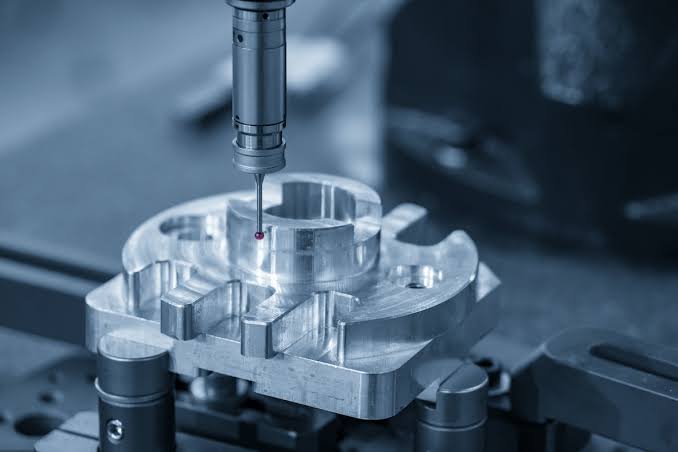
Standard off-the-shelf industrial components often require manual shimming or forced assembly fits. This poor fit introduces mechanical stress into drive shafts and moving support brackets. Precision custom components are manufactured to tight dimensional tolerances using advanced CNC machining technology.
Proper dimensional accuracy ensures every part fits seamlessly without forcing, providing the following benefits:
- Flawless Alignment: Custom gears and bushings eliminate uneven wear patterns on moving surfaces
- Smooth Transmission: Perfect fit reduces friction heat, keeping drive shafts turning freely
- Easy Integration: Replacement parts integrate cleanly without requiring manual on-site modifications
- Predictable Performance: Consistent tolerances maintain operational efficiency across the machine’s working life
Lower Maintenance Frequency
Unplanned machinery downtime is one of the most expensive operational costs facing manufacturing facilities. Every hour a production line sits idle costs thousands of dollars in lost output. Lightweight, precision-engineered components reduce overall mechanical wear rates across the entire machine assembly.
Because lightweight parts exert less stress, surrounding drive belts and seals last much longer. Factory maintenance teams spend less time troubleshooting vibration issues or replacing burned-out motors. Your plant achieves higher overall equipment effectiveness and consistent, predictable daily production output.
Future-Proof Your Machinery
Replacing heavy, outdated metal parts with lightweight components optimises the lifespan of industrial machines. Reducing rotational inertia, dampening vibrations, and resisting chemical corrosion protects your drive motors. Energy consumption and maintenance are lower, and your machinery runs faster and smoother.
Do not let heavy parts lead to costly motor burnouts and unplanned factory shutdowns. Enhance your automated production lines with custom-made, high-precision, lightweight parts that are designed to last over time.