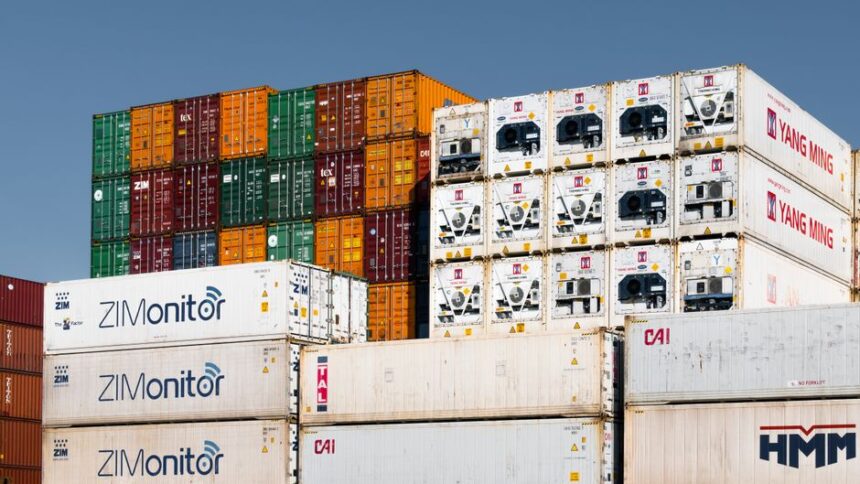
If you run or plan to run a business that deals with food, flowers, medicine, or temperature-sensitive stock, cold storage can become a daily stress point fast. One missed delivery, one packed walk-in cooler, or one summer heat wave can throw your operations off balance. Portable cold storage gives you a flexible way to handle those pressure points without rebuilding your whole space or gambling with inventory that spoils by the hour.
Where Portable Cold Storage Fits Into Real Business Life
Portable cold storage sounds technical, but the idea is simple: you get extra refrigerated space where and when you need it. That matters more than many owners expect.
A restaurant might need overflow storage before a holiday weekend. A caterer may need backup refrigeration during an outdoor event. A pharmacy could require secure temperature control during renovations. In each case, the problem isn’t permanent. It’s immediate.
That’s where portable units earn their keep. They let you add capacity without signing up for a construction project that drags on for months and chews through your budget.
The Inventory Loss Problem You Can Actually Prevent
Spoilage has a nasty habit of looking small on paper until you total the damage over a few months. Then it starts reading like a bad joke with expensive punchlines.
Temperature-sensitive inventory doesn’t leave much room for delays or equipment failure. Fresh produce, dairy, seafood, vaccines, floral products, and specialty chemicals all rely on stable conditions. When existing refrigeration is overcrowded, airflow can suffer, temperatures can fluctuate, and product quality can dip before anyone notices.
Portable cold storage helps you separate inventory properly, reduce overloading, and create breathing room in busy periods. That can support better stock rotation and cleaner organization too.
If you’re searching for and comparing portable cold storage containers for sale, look at insulation, temperature range, interior layout, and how easily the unit fits into your workflow. A good unit doesn’t just keep products cold. It helps you protect margins that disappear quickly when stock goes bad.
Seasonal Demand Can Break a Good System
Many businesses don’t have storage problems all year. They have storage problems at very specific times, which can be even trickier.
Think about a grocery store before Thanksgiving, a beverage distributor during peak summer, or an event company heading into wedding season. Your normal refrigeration setup may work perfectly for nine months, then suddenly become too small when demand spikes.
Portable cold storage gives you a way to scale up without making a permanent investment based on temporary pressure. That’s useful if you want to test demand before expanding or avoid overbuilding for a short rush.
You also get more control over where products are staged. A unit placed close to receiving, prep, or loading areas can tighten operations and reduce the constant back-and-forth that slows teams down. Less walking, less scrambling, fewer “where did we put that case?” moments.
Renovations, Emergencies, and Other Operational Ambushes
Business plans usually look neat on spreadsheets. Real life prefers chaos.
A cooler breaks down in July. A power issue knocks out part of your storage. Your facility starts renovations, but your products still need a stable environment every day. These moments can create a chain reaction: lost inventory, delayed service, unhappy customers, and staff trying to improvise under pressure.
Portable cold storage works well as a continuity tool. Instead of shutting down key parts of your operation, you can shift inventory into a temporary refrigerated space and keep moving. That can be valuable for restaurants, hospitals, labs, schools, and food producers that can’t simply pause because equipment failed.
The practical win here isn’t glamour. It’s resilience. When operations hit a rough patch, flexible cold storage can help you avoid making desperate decisions that cost more than the original problem.
What to Check Before You Buy or Bring One Onsite
Not every cold storage unit will suit your business, even if the temperature specs look fine at first glance.
Start with physical fit. Measure delivery access, door clearance, and the exact placement area. A unit that looks perfect online won’t help much if it can’t be positioned near the building or connected easily.
Next, think about power requirements. Some businesses overlook this and end up with surprise electrical work. Also check flooring, lighting, shelving options, security features, and whether staff can load and unload safely during busy hours.
Temperature range matters, but daily usability matters too. Can your team organize stock fast? Can they clean the interior easily? Can the unit support your compliance needs if you handle regulated goods?
A cold storage setup should reduce friction, not create a brand-new category of it.
Why Buying Can Make Sense for Growing Businesses
For some companies, renting is enough. For others, buying becomes the smarter long-term move.
If your business regularly faces overflow issues, repeat seasonal peaks, or expansion into new markets, ownership can give you more control and a better return over time. You’re not depending on limited rental availability when demand is high, and you can use the unit as part of a long-term operating strategy.
That’s especially useful for businesses opening secondary sites, adding mobile operations, or creating backup capacity for critical inventory. A purchased unit can also support pop-up service models, temporary production spaces, and remote job sites where permanent refrigeration isn’t realistic.
The key is to match the unit to your actual use pattern. Buying only makes sense when the container solves recurring problems, not when it’s just a shiny piece of equipment that feels strategic in a meeting.
The Bigger Business Case: Agility, Compliance, and Customer Trust
Cold storage decisions affect more than storage. They touch service quality, compliance, labor efficiency, and customer trust.
If you sell products that must stay within a strict temperature range, a weak storage setup can become a reputational risk. Customers may never see your refrigeration system, but they absolutely notice wilted flowers, compromised food quality, or missing products.
Portable cold storage can support cleaner workflows, faster receiving, safer product handling, and stronger continuity planning. It may also help you maintain standards in industries where inspection requirements are serious, and mistakes carry consequences beyond lost revenue.
From a business perspective, agility matters. Markets change, demand shifts, and facilities rarely stay static for long. A portable solution gives you room to respond without overcommitting too early.
Sometimes the smartest operational upgrade isn’t flashy. It’s the one that quietly keeps everything else from going sideways.