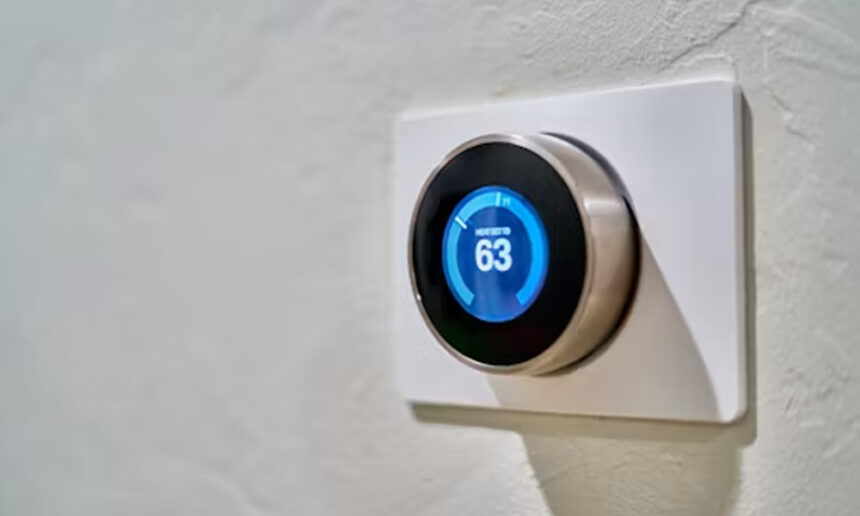
Smart thermostats have transformed the way heating and cooling systems are monitored, giving homeowners and technicians access to detailed information that was once unavailable without manual inspections. Instead of relying solely on noticeable symptoms such as uneven temperatures or unusual noises, modern climate control devices record operating patterns, temperature changes, and system performance throughout the day. This continuous stream of information helps identify developing concerns before they become expensive repairs. As a result, technicians can approach service calls with greater insight, enabling them to diagnose problems more efficiently and help homeowners maintain dependable indoor comfort and improve long-term system performance.
Smarter System Monitoring
-
Continuous Performance Tracking Creates Clearer Diagnostic Clues
One of the greatest advantages of smart thermostats is their ability to collect operating data every day instead of only during scheduled inspections. Every heating and cooling cycle provides valuable information about how the air conditioning system responds to changes in indoor temperature. Technicians reviewing this information can recognize patterns that may point toward hidden concerns, including longer cooling cycles, inconsistent indoor temperatures, or frequent equipment restarts. Rather than beginning every repair appointment with assumptions, they have access to historical operating records that reveal when changes first appeared. This timeline often helps narrow down possible causes much faster than relying solely on the homeowner’s observations.
A homeowner may simply notice that the house feels warmer than usual, while thermostat data may reveal that cooling cycles have steadily increased over several weeks. That gradual change can indicate airflow restrictions, declining efficiency, or electrical irregularities that deserve closer inspection. Smart monitoring therefore serves as an ongoing record of equipment behavior, allowing technicians to compare current performance with previous operating conditions and identify unusual trends before they become major mechanical failures.
-
Historical Data Helps Reveal Hidden Mechanical Changes
Many air conditioning problems develop slowly rather than appearing all at once, making them difficult to identify during a brief inspection. Smart thermostats preserve detailed operating histories that help technicians understand how the system has behaved over time. Instead of evaluating only the current condition, service professionals can review weeks or months of data showing temperature recovery rates, runtime, and daily operating consistency. These records frequently expose gradual performance declines that would otherwise remain unnoticed until the system experiences a complete breakdown. A technician may discover that the equipment has required progressively longer cooling cycles to reach the desired temperature, suggesting airflow restrictions, refrigerant issues, or aging electrical components.
Homeowners seeking dependable cooling solutions in Decatur often benefit from thermostat records that provide valuable context before repair work begins. Historical trends also help distinguish between isolated events and recurring problems, allowing technicians to determine whether an issue resulted from temporary weather conditions or indicates an ongoing mechanical concern. This broader understanding supports more accurate repairs while reducing unnecessary replacement of functioning components.
-
Detecting Airflow Problems Before Major Damage Develops
Proper airflow is essential for efficient air conditioning performance, yet airflow restrictions often develop gradually enough that homeowners fail to recognize the warning signs. Dirty filters, blocked vents, damaged ductwork, and failing blower components can all reduce air circulation while allowing the system to continue operating. Smart thermostats help technicians identify these issues by recording how long the equipment runs before reaching the target temperature. When cooling cycles become noticeably longer despite similar outdoor conditions, technicians can investigate airflow-related causes before they create additional strain on compressors or other major components.
Temperature consistency throughout different parts of the home also provides valuable clues. If certain rooms regularly remain warmer despite extended operating cycles, technicians can evaluate duct performance, blower operation, or balancing concerns using thermostat data alongside physical inspections. Instead of focusing solely on visible equipment, repair professionals gain a more complete picture of how conditioned air moves throughout the home. Early identification of airflow restrictions often prevents unnecessary wear on expensive equipment while improving overall indoor comfort and reducing energy consumption throughout the cooling season.
-
Identifying Electrical Irregularities Through Operating Patterns
Electrical problems within air conditioning systems often begin subtly before progressing into noticeable equipment failures. Loose wiring, aging capacitors, worn contactors, and voltage inconsistencies may produce irregular operating behavior that smart thermostats can help document over time. Frequent cycling, unexpected shutdowns, delayed system responses, or repeated attempts to restart can all appear within thermostat operating records before homeowners recognize anything unusual. When technicians review these patterns, they gain valuable insight into how electrical components influence overall system performance.
Rather than spending excessive time attempting to reproduce intermittent problems during a service visit, they can compare operating histories with physical testing to more efficiently isolate likely causes. Some electrical concerns occur only during periods of high cooling demand or at specific times of day, making them especially difficult to identify without historical records. Smart thermostat data captures these recurring events, allowing technicians to link operating irregularities to underlying electrical conditions. This information improves diagnostic accuracy while reducing unnecessary troubleshooting time and helping ensure that repairs address the true source of the problem rather than only its visible symptoms.
-
Supporting Preventive Maintenance Through Data Analysis
Preventive maintenance is considerably more effective when technicians have access to long-term operating data rather than relying entirely on visual inspections. Smart thermostats reveal gradual efficiency changes that suggest maintenance needs before significant failures occur. For example, increased runtime despite similar weather conditions may indicate dirty evaporator coils, restricted airflow, declining refrigerant performance, or other developing issues that require attention. Rather than waiting for equipment failure, technicians can recommend maintenance based on measurable performance changes observed over time. This proactive approach often extends equipment life because minor issues are addressed before they cause additional stress on compressors, motors, and other critical components.
Thermostat data also allows technicians to verify whether previous maintenance improved system performance by comparing operating statistics before and after service. This objective feedback supports better maintenance planning and gives homeowners greater confidence that recommended services are based on actual system behavior rather than assumptions. By combining digital performance records with physical inspections, technicians develop a more complete maintenance strategy that promotes reliable cooling and helps reduce unexpected repair costs throughout the equipment’s lifespan.
Smart thermostats have become valuable diagnostic tools that contribute far beyond simple temperature control. Their ability to monitor operating patterns, preserve historical performance records, identify emerging irregularities, and support preventive maintenance provides air conditioning repair service technicians with meaningful insight before repairs even begin. Instead of relying only on visible symptoms, technicians can combine digital system data with hands-on inspections to pinpoint concerns more accurately and efficiently.
This combination helps reduce unnecessary repairs, supports longer equipment life, and promotes dependable indoor comfort. As connected technology continues advancing, smart thermostats will remain an important resource for maintaining reliable and efficient air conditioning systems.