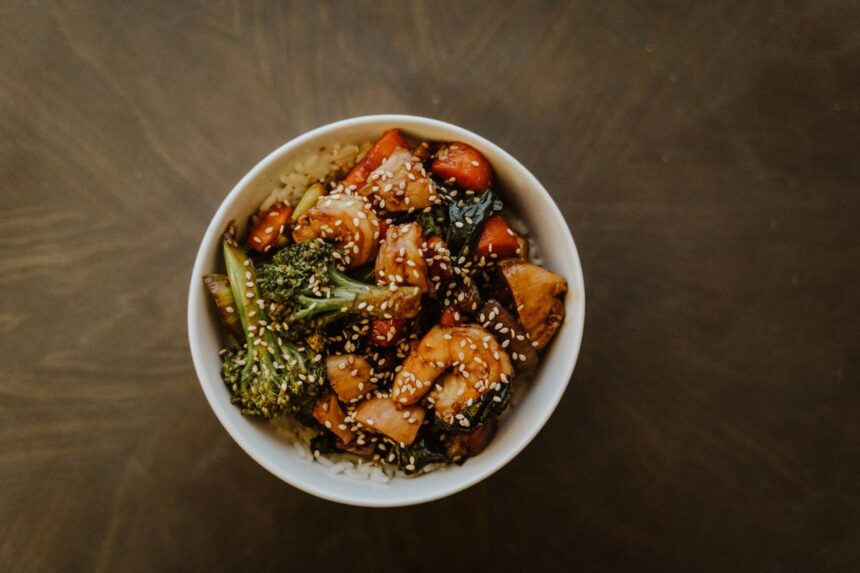
A great stir-fry is more than a combination of vegetables, protein, and noodles or rice—it’s the sauce that ties everything together. While grocery store shelves are filled with bottled options, making your own sauce at home gives you complete control over flavor, sweetness, saltiness, and spice. Better yet, you probably already have most of the ingredients sitting in your pantry.
Learning how to create a homemade stir-fry sauce doesn’t require professional cooking skills or a long list of specialty ingredients. By understanding a few basic flavor principles, you can mix and match everyday staples to create sauces that complement everything from chicken and beef to tofu and fresh vegetables. Once you know the fundamentals, you’ll rarely need to rely on store-bought alternatives again.
Why Homemade Sauces Are Worth the Effort
Preparing your own sauce allows you to customize every aspect of the recipe. If you prefer a sweeter finish, you can add a little extra honey or brown sugar. If you enjoy bold, savory flavors, you can increase the soy sauce or garlic. You can even adjust the thickness to suit whether you’re serving the meal over rice, noodles, or vegetables.
Another advantage is freshness. Homemade sauces often contain fewer preservatives and unnecessary additives than many bottled varieties. They’re also an excellent way to use pantry ingredients you already keep on hand, making weeknight meals both affordable and convenient.
With just a few staple ingredients, you can prepare a flavorful stir fry sauce that works with countless recipes, eliminating the guesswork whenever you’re craving a quick homemade dinner.
The Five Essential Flavor Components
Most successful stir-fry sauces are built by balancing five key elements. Understanding these building blocks makes it much easier to experiment confidently.
1. Salty
The salty component creates the foundation of the sauce.
Common choices include:
- Soy sauce
- Low-sodium soy sauce
- Tamari
- Coconut aminos
These ingredients provide depth while enhancing the natural flavors of the food.
2. Sweet
A touch of sweetness balances salty and savory flavors.
Popular options include:
- Honey
- Brown sugar
- Maple syrup
- White sugar
Only a small amount is usually needed to create a well-rounded sauce.
3. Acid
Acidity brightens the overall flavor and prevents the sauce from tasting heavy.
Good pantry choices include:
- Rice vinegar
- Apple cider vinegar
- Fresh lemon juice
- Fresh lime juice
Even a teaspoon or two can make a noticeable difference.
4. Aromatics
Garlic and ginger are classic additions that add warmth and complexity.
Fresh ingredients often provide the strongest flavor, but garlic powder and ground ginger can work well when you’re short on time.
Other flavorful additions include:
- Onion powder
- Shallots
- Scallions
- Sesame oil
5. Thickener
A quality stir-fry sauce lightly coats the ingredients rather than pooling at the bottom of the pan.
Cornstarch mixed with cold water creates a simple slurry that thickens the sauce during cooking. Arrowroot powder is another excellent alternative.
A Simple Homemade Stir-Fry Sauce Recipe
Once you understand the basic flavor balance, creating your own sauce becomes incredibly simple.
Ingredients
- ¼ cup low-sodium soy sauce
- 2 tablespoons honey
- 1 tablespoon rice vinegar
- 2 cloves garlic, minced
- 1 teaspoon grated fresh ginger
- 1 teaspoon sesame oil
- 1 tablespoon cornstarch
- 2 tablespoons cold water
Instructions
- Whisk together the soy sauce, honey, rice vinegar, garlic, ginger, and sesame oil.
- In a separate small bowl, combine the cornstarch and cold water until smooth.
- Stir the slurry into the sauce mixture.
- Pour the sauce into a hot skillet or wok during the final few minutes of cooking your vegetables and protein.
- Stir continuously until the sauce thickens and evenly coats the ingredients.
The result is a balanced sauce that works beautifully with chicken, beef, shrimp, tofu, or mixed vegetables.
Easy Ways to Customize the Flavor
One of the biggest advantages of homemade sauces is their flexibility.
For More Heat
Add one or more of the following:
- Sriracha
- Chili garlic sauce
- Crushed red pepper flakes
- Fresh sliced chilies
For Extra Sweetness
Try:
- Additional honey
- Brown sugar
- Pineapple juice
- Orange juice
For More Umami
Boost savory flavor with:
- Oyster sauce
- Mushroom powder
- Hoisin sauce
- Worcestershire sauce
For Nutty Flavor
A small amount of toasted sesame oil or natural peanut butter adds richness without overwhelming the dish.
Pantry Staples Worth Keeping
Stocking a few versatile ingredients makes homemade stir-fry meals much easier.
Consider keeping:
- Soy sauce
- Rice vinegar
- Sesame oil
- Cornstarch
- Honey
- Brown sugar
- Garlic
- Ginger
- Black pepper
- Red pepper flakes
With these basics available, you’ll always have the foundation for a delicious homemade sauce.
Common Mistakes to Avoid
Even simple sauces can be improved by avoiding a few common errors.
Adding Too Much Soy Sauce
Excess soy sauce can quickly overpower the dish. Taste as you go and adjust gradually.
Forgetting the Thickener
Without cornstarch or another thickener, the sauce may remain watery instead of clinging to the ingredients.
Using High Heat Too Early
Cooking garlic over excessively high heat may cause it to burn and develop bitterness.
Skipping the Taste Test
Before adding the sauce to your stir-fry, taste it. Small adjustments are much easier before cooking than afterward.
Best Foods to Pair with Homemade Stir-Fry Sauce
A versatile homemade sauce works with a wide variety of ingredients.
Popular proteins include:
- Chicken breast
- Beef strips
- Shrimp
- Pork
- Tofu
Favorite vegetables include:
- Broccoli
- Bell peppers
- Snap peas
- Mushrooms
- Carrots
- Bok choy
- Zucchini
Complete the meal with steamed jasmine rice, brown rice, rice noodles, or lo mein noodles for a satisfying dinner.
Make-Ahead Tips
Homemade stir-fry sauce is ideal for meal preparation.
Mix the ingredients in advance and store the sauce in an airtight jar in the refrigerator for up to one week. Shake well before using, as the cornstarch may settle over time.
Preparing the sauce ahead of time allows you to create fresh stir-fry dinners in just minutes, making busy weeknights much less stressful.
Final Thoughts
Learning how to build the perfect stir-fry sauce from everyday pantry ingredients is one of the most useful kitchen skills you can develop. Rather than relying on bottled sauces, you can create fresh, customizable flavors that perfectly match your personal preferences and the ingredients you have on hand.
By understanding the balance of salty, sweet, acidic, aromatic, and thickening elements, you’ll be able to create countless variations without following a recipe every time. Whether you’re preparing a quick vegetable stir-fry, a hearty chicken dinner, or a flavorful noodle bowl, a homemade sauce adds freshness and depth that transforms simple ingredients into a meal you’ll want to make again and again.