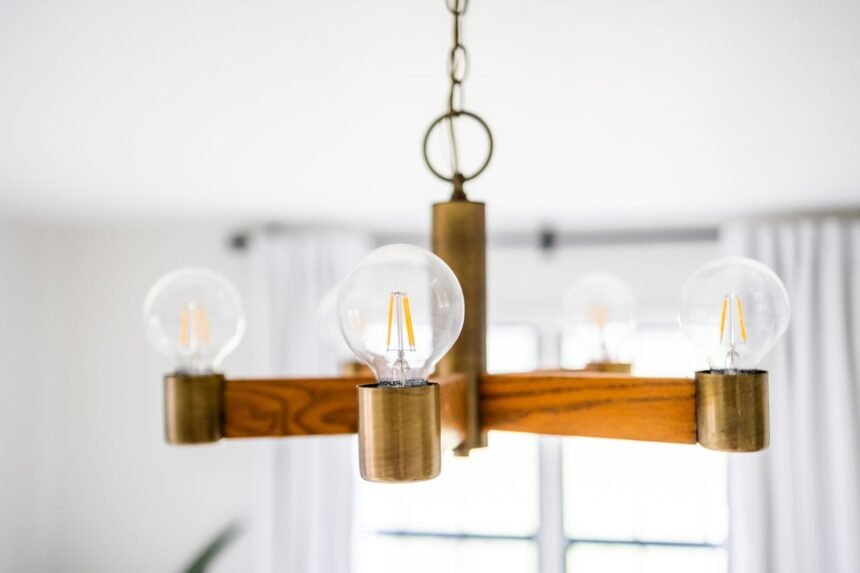
A building can look inviting during the day and strangely flat after sunset. Entrances fade into shadow, decorative stone loses its texture, and aging fixtures throw uneven pools of light across otherwise attractive spaces. Before adding more brightness, specialists in architectural illumination typically look at how the structure, pathways, and surrounding landscape should appear after dark. That same design-first approach can guide upgrades to existing indoor fixtures, helping property owners improve appearance, comfort, and efficiency without treating every working light as disposable.
See the Property After Dark
Lighting problems are easier to spot during an evening walk than on a floor plan. Notice where people hesitate at steps, where a doorway is hidden, and where a bright fixture shines directly into someone’s eyes. From across the street, check whether important architectural features stand out clearly or disappear into an undifferentiated wash of light.
Inside, take the same critical look at hallways, living areas, and work surfaces. A room may have enough total light but still feel uncomfortable because illumination is poorly distributed. Record the areas that need clearer visibility, softer ambiance, or a more deliberate focal point. These observations should shape the improvements before fixture models enter the discussion.
Keep What Works and Rethink What Doesn’t
An older lighting system is not necessarily a failed one. Some existing housings, cable runs, and mounting points may be sound, even when bulbs, trims, or controls have become inefficient or visually dated. A qualified electrician can examine wiring condition, load requirements, and moisture exposure, while a lighting designer assesses whether current positions produce the intended effect. Separating equipment problems from layout problems prevents unnecessary replacement.
Retrofitting recessed fixtures is one way to make a noticeable change with limited disruption. Depending on the existing installation, compatible LED modules and updated trims may improve light quality while allowing usable housings to remain in place. Beam spread, color consistency, and the planned use of each room still matter. This practical approach to renewal at the www.illuminatedlightingdesign.com/ website can also reduce power consumption and future lamp changes, provided the upgrade is compatible with the existing wiring, dimmers, and fixture ratings.
Outdoor equipment deserves special scrutiny because rain, soil movement, heat, and vegetation can change how a system performs over time. A fixture that once highlighted a small tree may now be buried in foliage. Re-aiming it could solve the problem more effectively than replacing it, whereas corroded connections or damaged seals may call for repairs before any redesign moves forward.
Create Depth Without Overlighting
Good lighting creates a visual order. An entry may need a clear, welcoming glow, while a textured wall benefits from gentle grazing light that brings out its surface. Trees and planting beds can provide depth in the background. If every feature receives equal intensity, none stands out. Aim for a few intentional focal points, with quieter areas allowed to remain quieter.
The same principle applies indoors. Recessed downlights can provide comfortable general illumination, but they cannot do every job well. A reading chair may need a dedicated task light, while artwork calls for controlled accents. Using these layers together often produces a better experience than installing higher-output lamps everywhere. It also makes it easier to adjust lighting for different activities.
Treat Glare and Color as Design Decisions
Brightness alone says little about visual comfort. An exposed lamp aimed toward a patio chair or an entry path can create glare even when the area appears bright. Shields, careful aiming, and appropriate beam spreads help light reach the intended surfaces rather than people’s eyes. Near windows, poor placement can also produce harsh reflections that undermine the nighttime view.
Color temperature deserves equal consideration. Mixing very cool exterior lights with warmer indoor illumination can make a property feel visually disconnected, particularly where patios and living rooms meet. Consistent color choices help spaces relate to one another, although task areas may justify different settings. Whenever possible, review samples after dark on the actual materials. Brick, pale stucco, and glossy stone all respond differently to light.
Make the Upgrade Practical for Daily Life
Controls should follow how people use the property. Timers or daylight sensors can keep pathways illuminated when needed, while dimming and separate lighting zones allow quieter settings later in the evening. On retrofit projects, confirm that LED drivers and dimmers work together; otherwise, flickering and uneven low-level output can undermine an otherwise thoughtful improvement. Keep switches and settings intuitive enough for anyone to use.
Finally, plan for access and maintenance. Fixtures tucked behind heavy planting or installed where servicing is difficult can become costly annoyances. Keep documentation of lamp types, drivers, mounting locations, and control settings so future adjustments are straightforward. A successful lighting refresh is not measured by how many fixtures are new. It is measured by whether the property feels easier to navigate, more pleasant to occupy, and more expressive of its architecture after dark.