Travelling with a dog can feel overwhelming the first time. Between planning routes, finding pet-friendly accommodation, and making sure your dog is comfortable the whole way, there is a lot to think about.
But with the right preparation, taking your dog along stops feeling like a logistical challenge and starts feeling like the obvious choice. Most people who travel regularly with their dogs say the same thing: the first trip is the hardest, and everything after that gets easier.
Plan the Journey Around Your Dog, Not Just the Destination
The single biggest mistake first-time dog travellers make is treating the trip itself as an afterthought. Long car journeys without breaks, unfamiliar environments without preparation, and rushed schedules all contribute to a stressed dog that is difficult to manage on arrival.
Before you leave, map out rest stops every two hours where your dog can stretch, drink water, and relieve themselves. Keep a consistent feeding schedule as close to their normal routine as possible. Avoid feeding a large meal right before a long car journey if your dog is prone to motion sickness. A dog that is hungry, thirsty, or physically uncomfortable will not settle, no matter how appealing the destination is at the other end.
Sort the Essentials Before You Leave
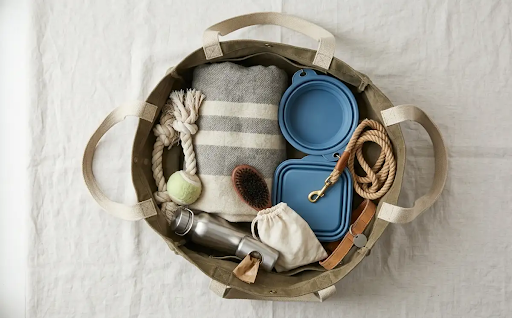
Packing for a dog takes more thought than most people expect the first time. Beyond food and water, you need bowls that travel well, waste bags, any regular medication, their usual bed or a familiar blanket, a lead, and up-to-date ID tags with your current contact details. If you want detailed packing guides and travel accessory recommendations, this covers it well — from carriers and harnesses to portable water bottles and travel beds. If you are crossing borders or travelling by air, health certificates and vaccination records become non-negotiable. Getting these documents organised well in advance saves significant stress on departure day.
Choose Accommodation Carefully
Not all pet-friendly accommodation is created equal. Some places welcome dogs genuinely and provide space, outdoor access, and a relaxed attitude toward muddy paws. Others technically accept pets but in ways that make both you and your dog uncomfortable throughout the stay. Read reviews specifically from guests who travelled with dogs. Look for mentions of outdoor space, proximity to walking areas, and how staff actually responded to having a dog on the premises.
Booking early matters too. Pet-friendly rooms fill faster than standard ones, particularly during peak travel periods. Leaving it late often means ending up with limited options or paying significantly more than you would have with a little forward planning.
Help Your Dog Settle in New Spaces
Dogs are creatures of habit and new environments can unsettle even calm, well-travelled animals. When you arrive somewhere new, give your dog time to explore the space before you expect them to rest. Bring their usual bed or a blanket that smells like home. Keep the first evening low-key and calm rather than heading straight out to explore. A familiar toy, a consistent atmosphere, and sticking to their usual routine for feeding and bedtime all help a dog adjust faster in an unfamiliar environment.
Some dogs take a full day to settle before they fully relax in a new place. Give them that time rather than pushing them into activity immediately on arrival. Trying to rush the settling-in process usually makes it take longer.
Build Up to Longer Trips Gradually
If your dog has never travelled before, throwing them straight into a long journey or an extended stay away from home is not the best approach. Start with a short overnight trip somewhere relatively close. See how they handle the car journey, the new space, and the change in routine. Most dogs adapt faster than their owners expect, but having a low-stakes first experience gives you useful information about how your dog handles travel before you commit to something bigger.
Know Your Dog’s Limits
Travel works better for some dogs than others. Relaxed, adaptable breeds typically handle new environments well. More anxious or routine-dependent dogs may need more preparation and a slower introduction to travel. If your dog shows signs of genuine stress throughout a journey, such as persistent panting, refusal to eat, or an inability to settle, it is worth speaking to a vet about options before planning longer trips. Some dogs benefit from calming supplements or specific strategies that make travel significantly more manageable for everyone involved.
Getting the basics right makes a bigger difference than any individual product or tip. Plan properly, pack everything you need, and give your dog the time they need to adjust. Most of the stress around travelling with dogs comes from being underprepared, and that is entirely fixable.