Introduction
A well-maintained landscape enhances the beauty, functionality, and value of any residential or commercial property. Beautiful lawns, healthy trees, colorful plants, and neatly maintained outdoor spaces create a welcoming environment while improving curb appeal and supporting a healthier ecosystem. However, achieving and maintaining an attractive landscape requires more than occasional watering or mowing. Plants, shrubs, trees, flower beds, and lawns all require regular care to remain healthy throughout changing seasons. Professional landscape maintenance provides the ongoing attention needed to preserve the appearance and health of outdoor spaces while preventing common problems such as overgrown vegetation, weeds, pests, soil deterioration, and plant diseases. A comprehensive maintenance plan includes lawn care, pruning, fertilization, irrigation management, seasonal cleanups, and continuous monitoring of plant health. Investing in routine landscape care helps property owners protect their outdoor investment while creating an environment that remains attractive, functional, and enjoyable throughout the year.
Why Landscape Maintenance Is Important
Landscaping is a long-term investment that requires consistent care to maintain its beauty and functionality. Without regular maintenance, even the most carefully designed outdoor spaces can quickly become overgrown, unhealthy, and less attractive. Grass may become uneven, weeds can spread rapidly, shrubs may lose their shape, and plants may struggle due to inadequate care.
Routine maintenance helps ensure that every part of the landscape receives the attention it needs. Healthy lawns, properly trimmed trees, and well-maintained flower beds contribute to a cleaner, more organized appearance while reducing the likelihood of costly problems in the future.
A properly maintained landscape also improves the overall environment. Healthy plants help filter air, reduce soil erosion, provide shade, and support local wildlife. Regular maintenance protects these benefits while preserving the long-term health of the property.
Essential Components of Landscape Maintenance
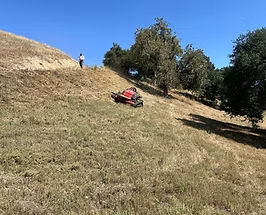
A complete landscape maintenance program includes several important services designed to support healthy plant growth and improve outdoor appearance. Lawn mowing is one of the most visible aspects of landscape care. Regular mowing encourages healthy grass growth, maintains a neat appearance, and prevents excessive stress on the lawn.
Pruning and trimming are equally important. Trees, shrubs, and ornamental plants require periodic trimming to remove dead or damaged branches, encourage healthy growth, and maintain their desired shape. Proper pruning also improves air circulation and reduces the risk of disease.
Weed control is another essential component. Weeds compete with desirable plants for water, sunlight, and nutrients. Consistent weed management helps protect the health of lawns, flower beds, and landscaped areas while maintaining a tidy appearance.Mulching provides additional benefits by helping retain soil moisture, regulating temperature, reducing weed growth, and improving the overall appearance of planting beds.
Lawn Care and Turf Health
A healthy lawn serves as the foundation of many landscape designs. Proper lawn care involves more than simply cutting the grass. Fertilization, irrigation, aeration, overseeding, and pest management all contribute to strong turf development.
Regular mowing at the appropriate height helps grass develop stronger roots while maintaining an attractive appearance. Cutting the lawn too short can weaken the grass and increase vulnerability to weeds and drought.
Proper watering is equally important. Lawns require adequate moisture to remain healthy, but excessive watering can encourage disease and shallow root growth. An effective irrigation schedule supports consistent growth while conserving water.Aeration improves soil structure by allowing air, water, and nutrients to reach the root system more effectively. This process encourages stronger grass growth and helps maintain a healthier lawn over time.
Tree and Shrub Maintenance
Trees and shrubs play a major role in creating attractive landscapes while providing shade, privacy, and environmental benefits. Regular maintenance helps these plants remain healthy and structurally sound.
Pruning removes dead, diseased, or damaged branches that may affect plant health or create safety concerns. It also encourages balanced growth and improves the overall appearance of trees and shrubs.
Routine inspections allow professionals to identify early signs of disease, insect infestations, or structural problems before they become severe. Early treatment helps preserve valuable landscape plants and prevents unnecessary damage.
Proper fertilization and watering also support healthy tree and shrub development. Different species have different nutritional requirements, making professional guidance valuable for long-term care.
Seasonal Landscape Maintenance
Landscapes require different types of care throughout the year because changing weather conditions affect plant growth and maintenance needs. Seasonal maintenance ensures that outdoor spaces remain healthy regardless of climate changes.
Spring maintenance often focuses on cleaning debris, preparing planting beds, fertilizing lawns, pruning plants, and activating irrigation systems. These tasks prepare the landscape for active growth during warmer months.
Summer care emphasizes irrigation management, weed control, mowing, and monitoring for pests or diseases. Hot weather places additional stress on plants, making consistent maintenance especially important.
Autumn maintenance includes leaf removal, seasonal pruning, lawn treatments, and preparing plants for colder conditions. Proper fall care helps protect landscapes during winter.Winter maintenance may involve protecting sensitive plants, inspecting trees for storm damage, and planning future landscape improvements.
The Role of Irrigation in Landscape Health
Water management is one of the most important aspects of successful landscaping. Plants require adequate moisture to thrive, but improper watering can lead to root problems, disease, and unnecessary water waste.
Modern irrigation systems help deliver water more efficiently by providing consistent coverage while reducing excess runoff. Professional maintenance includes inspecting irrigation equipment, adjusting sprinkler heads, checking for leaks, and optimizing watering schedules.Efficient irrigation not only supports healthier plants but also helps conserve water and reduce utility costs.
Hiring experienced landscape professionals provides several important advantages. One of the biggest benefits is expert knowledge. Landscaping specialists understand the unique needs of different grass types, trees, shrubs, flowers, and soil conditions.
Professional maintenance also saves time and effort. Caring for a landscape requires regular attention throughout the year, and experienced teams can complete these tasks efficiently while maintaining consistent quality.
Another benefit is early problem detection. Professionals can recognize signs of disease, insect activity, nutrient deficiencies, and irrigation issues before they cause significant damage.Routine professional care also helps protect the financial investment made in landscaping by preserving plant health and preventing expensive replacements.
Sustainable Landscape Maintenance Practices
Many property owners are adopting environmentally responsible landscape practices that support long-term sustainability. Sustainable maintenance focuses on reducing waste, conserving resources, and protecting natural ecosystems.
Using mulch helps conserve soil moisture and reduce the need for frequent watering. Selecting drought-tolerant plants can also reduce water consumption while maintaining attractive landscapes.Organic fertilizers and environmentally friendly pest management methods help support plant health while minimizing environmental impact. Efficient irrigation systems further contribute to responsible water use.
Sustainable landscape maintenance creates healthier outdoor spaces while supporting environmental conservation efforts.Selecting a reliable maintenance company is essential for achieving long-term success. Property owners should look for providers with experience, professional knowledge, and a reputation for delivering quality service.
A dependable company should offer customized maintenance plans based on the specific needs of the property. Different landscapes require different levels of care depending on plant varieties, soil conditions, climate, and property size.
Clear communication, consistent scheduling, and attention to detail are also important qualities. A professional maintenance team should regularly evaluate the landscape and recommend improvements when necessary.Working with experienced professionals provides confidence that outdoor spaces will receive the care needed to remain healthy and attractive.
Long-Term Value of Consistent Landscape Maintenance
Routine landscape care provides lasting value by preserving the appearance and functionality of outdoor environments. Healthy lawns, vibrant plants, and properly maintained trees contribute to higher property value while creating inviting spaces for family, guests, employees, or customers.
Well-maintained landscapes also reduce the likelihood of expensive repairs or plant replacements because problems are identified and addressed early. Regular maintenance supports steady growth and extends the lifespan of valuable landscape features.
Over time, consistent care creates outdoor spaces that remain beautiful, functional, and enjoyable throughout every season.
Conclusion
A beautiful landscape requires ongoing care to remain healthy, attractive, and functional. Professional landscape maintenance provides the expertise and regular attention needed to protect lawns, trees, shrubs, flowers, and other outdoor features from the effects of weather, aging, pests, and everyday wear.
From lawn mowing and pruning to irrigation management, fertilization, and seasonal cleanups, every maintenance activity contributes to the long-term success of the landscape. Investing in professional care not only enhances curb appeal but also protects property value and supports a healthier outdoor environment.
With consistent maintenance and expert guidance, any landscape can continue to thrive year after year, providing beauty, comfort, and lasting enjoyment for homeowners, businesses, and communities alike.