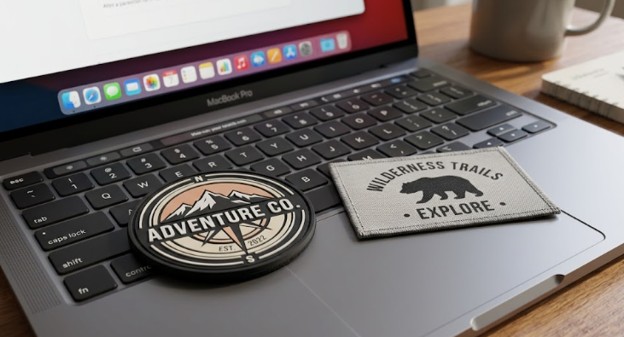
When considering the best material for either branding or recognition of rugged outdoor wear, there are only two types that really matter in today’s marketplace. The choice between custom PVC patches vs woven patches involves finding the balance between complete protection from any environmental elements while still being able to display intricate design details.
Depending on the harshness of the environment in which they will be used, each patch has its own set of benefits. One utilizes synthetic materials to be completely waterproof, while the other uses weaving machines to create detailed designs.
The Crucial Role of Patch Selection for Rugged Equipment
The one thing that outdoor sportsmen, tactical professionals, and wilderness survivors all know is that your equipment is only as strong as its weakest part. When dealing with thick forest cover, rugged mountain terrain, or complicated field maneuvers, your equipment needs to be able to withstand the physical pressure placed upon it.
This is also true for insignias and badges, which not only play a visual role but often also a functional role in showing important information such as blood types, unit designations, corporate logos, and safety information. Selecting a badge made of materials that are affected by intense heat or get damaged easily could make it lose both its functionality and aesthetic appeal.
The Material Engineering Behind Polyvinyl Chloride
Polyvinyl chloride, commonly abbreviated as PVC, is a strong plastic polymer that has had a paradigm shift in the manufacturing of contemporary outdoor gear. As far as the use of the material in making insignias is concerned, the process of manufacturing involves melting the material and pouring it into accurately machined molds in order to produce a rubber-like emblem with permanent shape and design.
Moreover, an important feature of manufacturing through this method is that the insignia can have a two-dimensional or three-dimensional layer effect in which the individual elements of the design stand out from the surface.
Why Elements Favor Custom PVC Patches in Extreme Environments
When it comes to people who have to function in muddy, swampy areas, arid desert terrains, or rains at sea, opting for custom PVC patches proves to be the best option. They differ from regular fabric patches, as they are resistant to water, oil, sweat, and dirt.
Therefore, they can be easily cleaned with a wet piece of cloth or even by running water through them after spending a tiresome day out there in the field. In addition to being immune to UV light, these patches ensure that the bright colors on them do not fade out due to sun exposure.
Sourcing High-Grade Tactical Emblems Locally
Due to the increasing demand for high-grade tactical gear among law enforcers, the military, and even the survivalists, it becomes increasingly important to look for good manufacturers. Tactical gear should feature high-performance materials, such as a non-reflective finish and infrared signature reduction.
The need to seek good manufacturers who will supply the proper 3D molding while maintaining their strength and reliability at freezing temperatures arises so that the identifiers can be legible in difficult conditions.
Meeting Military Demands with Tactical PVC Patches USA
In situations where failure of a mission is out of the question, professional operatives often rely on domestic suppliers to ensure the products meet the strict requirements of the military. By using high-quality tactical PVC patches USA, the company ensures that no harmful chemicals like phthalates contaminate the polymers used and are designed to withstand wide variations in temperature without splitting in the cold or melting in the tropics.
Tactical patches made in America will typically have reinforced backing of the hook-and-loop system, which is sewn into a unique groove design so the hook does not detach from the patch in rugged circumstances.
The Technical Artistry of Woven Patches
Even though rubberized polymers have outstanding durability due to their strength when faced with any physical abuse, there are special properties of advanced textile manufacturing methods that should not go unmentioned. The process of making woven emblems involves intertwining high density but very thin threads using highly specialized looms to create a perfectly flat surface.
While the technique of embroidery includes stitching thick threads onto an existing piece of backing cloth, the woven approach allows incorporating design elements directly into the cloth, resulting in unmatched details, including clear microscopic lettering and complicated geometrical patterns.
Enhancing Sleek Gear Profiles with Custom Woven Patches
When it comes to lightweight outdoor clothing like specialized windbreakers, performance shirts that wick away sweat, and trail running hats designed to fit snugly on your head, flexibility and lightness matter most to function properly.
By using custom woven patches instead, you can maintain a very crisp and clear corporate identity without the bulkiness and rigidity that comes from rubber molding. Textile-based markings will fit around the flexible fabric of your clothing without restricting your full movement during your run on difficult obstacles, rock climbing adventures, or rugged mountain trails.
Comparing Weight, Flexibility, and Attachment Methods
If one is to do a comparative analysis between the two types, weight and method of attachments stand out as the most critical aspects for equipment management officers. For instance, the vinyl type tends to be heavier and sturdier and is therefore appropriate for items that bear weights such as chest rigs.
The other type, on the other hand, tends to be very light in nature and can therefore be sewn into fabrics, heat pressed, or adhered using iron-on adhesives. Due to their design, which entails binding threads, they are more prone to wear and tear caused by contact with rocky and concrete surfaces.
Making the Ultimate Decision for Your Outdoor Apparel
In the end, picking the best kind of badge comes down to a careful analysis of your particular operating environment and design objectives. If your hardware is frequently exposed to dirt, salt water, and rough handling, nothing beats the toughness of molded synthetic materials.
If you are concerned with aesthetics, multi-coloring, and comfortable weight for sports-related technical clothing, there’s nothing that can beat the accuracy of a dense weave. It is common for many top outdoor gear brands to combine the two kinds in their whole range of products.
Elevate Your Gear with the Perfect Patch Today
The right choice of patches between custom PVC patches vs woven patches will be the hallmark that turns ordinary outdoor wear into premium-quality personalized equipment. If you are searching for durable weatherproof identification markings for field use or require intricate patches for a new company in the realm of high-end outdoor lifestyles, we have all it takes to satisfy your expectations and offer great quality products.
Custom patch specialists are always ready to create premium-quality patches customized to suit your operational requirements perfectly. Contact a reliable one like The Custom Patches USA today to find out more about our offers and get a free estimate on your order!