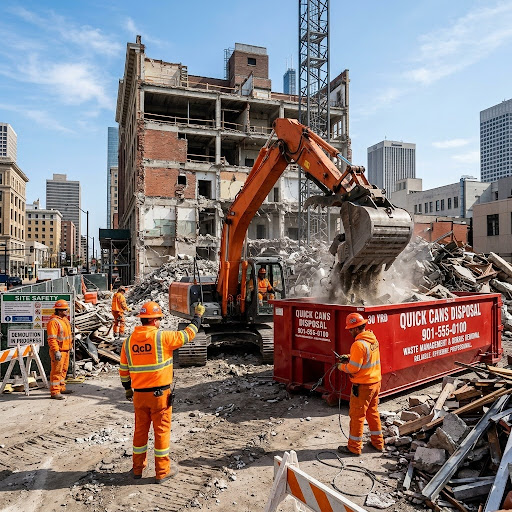
Demolition projects are exciting milestones. Whether you’re tearing down a wall to expand a living space, gutting a commercial building, or clearing an entire lot for new construction, the transformation that follows is deeply satisfying. But between the first swing of a sledgehammer and the clean slate you’re working toward, there’s one challenge that every project faces: the sheer volume of debris that piles up along the way.
Managing that debris efficiently can mean the difference between a project that runs smoothly and one that stalls out under the weight of its own waste. That’s where professional disposal services step in—and why more contractors, property owners, and developers are turning to specialized solutions designed specifically for the demands of demolition work.
Why Demolition Debris Is a Category of Its Own
Not all waste is created equal. Household junk removal is one thing. Demolition debris is an entirely different beast.
Concrete slabs, broken drywall, roofing materials, scrap metal, old flooring, insulation, and structural lumber don’t just take up space—they create safety hazards, block workflow, and, if not handled correctly, can lead to costly compliance issues. Many standard waste haulers aren’t equipped to handle the volume or the material types that demolition projects produce.
The weight alone can be staggering. A single concrete slab can weigh thousands of pounds. A full roof tear-off generates more debris than most people anticipate. And when that material has nowhere to go, it slows everything down.
This is why demolition projects benefit enormously from a disposal partner that understands the work, not just the waste.
The Real Cost of Poor Waste Management on a Job Site
Time is money on a construction or demolition site, and debris management is one of the most commonly underestimated time drains. When workers have to navigate around piles of rubble, production slows. When haul-away is delayed, it creates bottlenecks that push timelines back and frustrate everyone involved.
There’s also the matter of liability. Unsecured debris is a safety risk. Improperly disposed of materials can attract regulatory scrutiny. In some cases, fines and stop-work orders can bring an entire project to a halt—an outcome that no contractor or property owner wants to face.
Effective waste management isn’t just a logistical concern. It’s a financial and legal one, too.
What Makes a Disposal Service Worth Using?
The best disposal services do more than show up with a container. They make the entire process feel effortless.
Here’s what that looks like in practice:
- Right-sized containers: A disposal partner worth trusting will offer container options that match the actual scope of your project. Too small, and you’re paying for multiple swaps. Too large, and you’re wasting space and money.
- Flexible scheduling: Demolition timelines shift. A service that can accommodate last-minute changes and tight turnarounds keeps your project on track instead of waiting on a pickup that’s two days out.
- Fast delivery and removal: Every hour a full container sits on your site is an hour your team can’t use that space. Speed matters.
- Transparent pricing: Hidden fees are a persistent frustration in the waste industry. Clear, upfront pricing lets you budget accurately and avoid unwelcome surprises on the final invoice.
- Knowledge of local regulations: Disposal requirements vary by municipality. A knowledgeable team ensures that materials are handled and disposed of in compliance with local codes.
When a disposal service gets all of these elements right, it doesn’t just solve a logistical problem—it actively contributes to project success.
How the Right Partner Transforms a Demolition Project
Think about the difference between a job site that’s cluttered, chaotic, and slowed by accumulated debris, and one that’s clean, organized, and running at full pace. That difference is largely a function of how waste is being managed.
Crews work better in clean environments. Productivity climbs when workers aren’t dodging rubble or waiting on overdue pickups. Project managers have fewer headaches. Timelines hold. And clients—whether residential homeowners or commercial developers—are far more satisfied when the site reflects professionalism at every stage.
There’s also something to be said for the peace of mind that comes with knowing waste is being handled correctly. That confidence allows project leads to focus on what they do best, rather than spending mental energy tracking down disposal logistics.
What to Look for When Choosing a Disposal Service for Your Next Project
Not every disposal company is built for the pace and demands of demolition work. Before committing to a provider, it’s worth asking a few key questions:
Do they specialize in construction and demolition debris? General waste haulers often lack the equipment and expertise for heavy demolition materials. Specialization matters.
How quickly can they deliver and swap containers? In demolition, speed is essential. A provider with fast turnaround times keeps your project moving.
Is their pricing straightforward? Request a clear breakdown before signing anything. Reliable companies don’t hide fees in the fine print.
Do they have a strong local reputation? Reviews, referrals, and a proven track record in your area are the strongest indicators of consistent, quality service.
Are they familiar with local disposal regulations? This is non-negotiable. Compliance protects your project and your bottom line.
The Best Demolition Projects Start With the Right Disposal Plan
Every successful demolition project has two things in common: skilled execution and smart logistical planning. The physical work is only half the equation. Getting the debris out efficiently, safely, and affordably is the other half—and it deserves just as much attention.
Quick Cans Disposal delivers a seamless, professional experience that keeps demolition projects on schedule and job sites clear, giving contractors and property owners the reliable disposal solution they need to finish strong without the stress of managing waste on their own. When the right team is handling your debris, you’re free to focus on what you came to do—build something better.
Whether you’re mid-project and overwhelmed by accumulating debris, or planning for an upcoming demolition job, choosing a disposal partner you can count on is one of the smartest decisions you can make. The results speak for themselves.