A reliable heating system is one of the most important components of a comfortable home. During colder months, homeowners depend on their furnace to maintain a consistent indoor temperature, improve comfort, and protect their property from the effects of freezing weather. However, like every mechanical system, a furnace has a limited lifespan. As years pass, efficiency declines, repair costs increase, and performance becomes less reliable. Many homeowners struggle to determine whether they should continue repairing an older unit or invest in a newer system that offers better performance and energy savings.
Understanding the signs of an aging furnace and knowing when an upgrade makes financial sense can help homeowners avoid unexpected breakdowns and unnecessary expenses. Modern heating systems are designed with advanced technology, improved energy efficiency, and enhanced safety features that can significantly improve indoor comfort while reducing monthly utility costs. Making an informed decision requires evaluating several factors, including age, performance, repair frequency, energy consumption, and long-term value.
This comprehensive guide explores the key considerations involved in replacing an outdated furnace and explains how homeowners can make the best decision for their heating needs.
Understanding the Typical Lifespan of a Furnace
Most furnaces are built to last between fifteen and twenty years, depending on usage patterns, maintenance quality, and environmental conditions. Regular servicing can extend the lifespan of a heating system, but even the most carefully maintained furnace will eventually experience wear and tear that affects its performance.
As a furnace ages, internal components such as heat exchangers, motors, burners, and electrical connections gradually deteriorate. These parts often become less efficient and more prone to failure. Although repairs can address individual issues, replacing multiple components over time can become increasingly expensive.Homeowners should not evaluate their heating system based solely on whether it still operates. A furnace may continue to function while consuming excessive energy, providing uneven heating, or requiring frequent repairs. These hidden costs often make continued operation less economical than upgrading to a modern system.
Signs That Your Heating System May Need an Upgrade
Recognizing the warning signs of a declining furnace can prevent unexpected disruptions and help homeowners plan ahead. One of the most common indicators is a noticeable increase in energy bills. When a furnace becomes less efficient, it must work harder and run longer to produce the same level of heat, resulting in higher utility costs.Another significant warning sign is uneven heating throughout the home. Some rooms may feel excessively warm while others remain cold and uncomfortable. This inconsistency often indicates that the furnace can no longer distribute heat effectively.
Frequent repairs are also a major concern. Occasional maintenance is normal, but repeated service calls can quickly become expensive. If repair costs continue to rise year after year, investing in a new system may offer better long-term value.Strange noises, unusual odors, excessive dust, and poor indoor air quality can also indicate that the furnace is struggling to perform properly. These symptoms often suggest that key components are wearing out and may soon fail completely.
The Financial Impact of Delaying an Upgrade
Many homeowners postpone upgrading their heating system because they want to avoid the upfront investment. While this approach may seem financially responsible in the short term, delaying replacement can actually lead to greater expenses over time.
Older furnaces consume more energy, resulting in higher monthly utility bills. They also require more frequent repairs and maintenance. As replacement parts become harder to find, repair costs may increase substantially. In some cases, homeowners spend significant amounts on repairs for a system that continues to operate inefficiently.
Unexpected breakdowns can create additional expenses, particularly during periods of extreme weather. Emergency repairs often cost more than scheduled maintenance, and prolonged heating failures can disrupt daily life and compromise comfort.Evaluating the total cost of ownership rather than focusing solely on replacement expenses provides a more accurate picture of long-term value. A modern, energy-efficient system often generates substantial savings over its operational lifespan.
Benefits of Modern Heating Technology
Heating technology has advanced significantly over the past two decades. Today’s furnaces are designed to deliver superior efficiency, improved comfort, and enhanced reliability. These advancements make upgrading an attractive option for many homeowners.
Modern systems often feature variable-speed motors, advanced heat exchangers, smart thermostat compatibility, and improved airflow management. These innovations allow the furnace to adjust its output based on heating demand, resulting in more consistent indoor temperatures and lower energy consumption.Another major advantage is quieter operation. Older furnaces frequently produce noticeable noise during startup and operation, whereas newer models are engineered for reduced sound levels. This improvement contributes to a more comfortable living environment.
Enhanced safety features also provide additional peace of mind. Advanced monitoring systems can detect operational abnormalities and shut down the unit when necessary to prevent damage or safety hazards.Investing in a modern heating system can therefore improve comfort, reduce operating costs, and increase overall household efficiency.
How Energy Efficiency Influences Long-Term Savings
Energy efficiency is one of the most important factors to consider when evaluating a heating system upgrade. Furnace efficiency is commonly measured using Annual Fuel Utilization Efficiency (AFUE) ratings. This rating indicates how effectively a furnace converts fuel into usable heat.Older furnaces may operate at efficiency levels significantly below those of modern units. Newer systems often achieve much higher efficiency ratings, allowing homeowners to use less fuel while maintaining the same level of comfort.
Over time, even modest improvements in efficiency can generate meaningful savings. Reduced energy consumption lowers monthly utility bills and helps offset the initial investment associated with upgrading the system.Additionally, improved efficiency contributes to environmental sustainability by reducing overall fuel usage and lowering greenhouse gas emissions. For homeowners seeking both financial and environmental benefits, an efficient heating system represents a practical long-term investment.
Evaluating Repair Costs Versus Replacement Costs
One of the most common questions homeowners ask is whether repairing an existing furnace or replacing it entirely is the better option. The answer depends on several variables, including the age of the system, repair frequency, and projected future expenses.
A widely accepted guideline suggests that if a repair cost represents a substantial percentage of the cost of a new unit, replacement should be seriously considered. This is especially true when the furnace is approaching the end of its expected lifespan.
Repeated repairs can create a cycle of ongoing expenses without resolving underlying performance issues. Homeowners may find themselves investing money into an aging system that continues to experience failures.Choosing furnace replacement instead of recurring repairs often provides greater reliability, improved efficiency, and lower maintenance requirements. When viewed from a long-term perspective, replacement frequently delivers stronger financial returns than continuously repairing an outdated system.
The Role of Professional Assessment
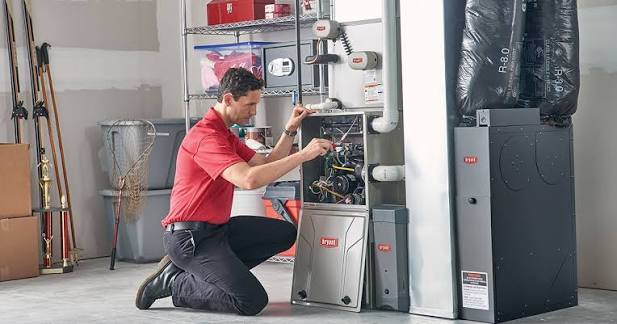
Determining the condition of a furnace requires professional expertise. Qualified technicians can perform comprehensive inspections that evaluate efficiency, safety, airflow, component wear, and overall system performance.A professional assessment helps homeowners understand whether existing problems can be resolved through maintenance or whether a complete upgrade is more practical. Technicians can also estimate operating costs, identify hidden issues, and recommend systems that align with household heating requirements.
Obtaining an expert evaluation before making a major investment ensures that decisions are based on accurate information rather than assumptions. This approach reduces uncertainty and helps homeowners select the most cost-effective solution.Comfort involves more than simply generating heat. A high-quality heating system should maintain consistent temperatures throughout the home while minimizing fluctuations and drafts.
Older furnaces often struggle to regulate temperature effectively. They may cycle on and off frequently, creating noticeable variations in comfort levels. Some rooms may remain colder than others due to airflow limitations or declining performance.Modern heating systems address these challenges through advanced control technologies and improved airflow management. Homeowners frequently notice more stable temperatures, reduced cold spots, and better overall comfort after upgrading.
Many families who choose furnace replacement report immediate improvements in indoor living conditions. The ability to maintain consistent warmth throughout the home can significantly enhance daily comfort during colder seasons.
The Importance of Proper System Sizing
Selecting the correct furnace size is critical to achieving optimal performance. A system that is too small may struggle to heat the home adequately, while an oversized unit can cycle excessively and waste energy.Professional load calculations consider factors such as square footage, insulation levels, window efficiency, ceiling height, and climate conditions. These calculations help determine the appropriate heating capacity for a specific property.
Proper sizing ensures efficient operation, maximizes comfort, and extends equipment lifespan. It also reduces unnecessary energy consumption and minimizes wear on system components.Homeowners should avoid assuming that a replacement furnace should match the size of the existing unit. Changes in insulation, renovations, and technological improvements may alter heating requirements over time.
Planning Ahead for a Smooth Transition
Replacing a furnace is a significant home improvement project that benefits from careful planning. Waiting until the system fails completely can create stress, limit options, and increase costs.Planning ahead allows homeowners to research available models, compare efficiency ratings, evaluate financing options, and schedule installation at a convenient time. This proactive approach also reduces the likelihood of emergency replacement situations.
When homeowners anticipate the need for furnace replacement, they gain greater control over the decision-making process and can focus on selecting the best system rather than rushing to restore heat during a crisis.Advance planning also provides opportunities to coordinate related improvements such as ductwork upgrades, thermostat enhancements, and indoor air quality solutions.
Maximizing the Value of Your Investment
A new furnace represents a substantial investment, making it important to maximize long-term value. Choosing a reputable installation professional is just as important as selecting the right equipment. Even the most advanced furnace may underperform if installed incorrectly.
Regular maintenance remains essential after installation. Annual inspections, filter replacements, and routine servicing help preserve efficiency and prevent avoidable problems. Proper care extends equipment lifespan and protects the homeowner’s investment.
Smart thermostats can further improve performance by optimizing heating schedules and reducing unnecessary energy usage. These devices provide convenient control and often contribute to additional savings.By combining quality equipment, professional installation, and consistent maintenance, homeowners can enjoy reliable performance for many years.
Conclusion
An aging furnace can gradually become a financial burden through rising energy bills, increasing repair costs, and declining comfort. While delaying upgrades may appear cost-effective initially, long-term expenses often make replacement the more practical solution. Modern heating systems offer significant advantages, including higher efficiency, improved reliability, quieter operation, and enhanced indoor comfort.
Evaluating factors such as system age, repair frequency, energy consumption, and overall performance can help homeowners determine the most appropriate course of action. Consulting qualified professionals ensures that decisions are based on accurate assessments and realistic expectations.
Ultimately, investing in furnace replacement at the right time can reduce operating costs, improve household comfort, and provide dependable heating for years to come. By approaching the decision strategically and planning ahead, homeowners can transform a necessary upgrade into a valuable long-term investment that enhances both comfort and efficiency.