Mold doesn’t knock before it moves in. It creeps behind walls, settles under floors, and spreads through air vents long before you spot that first dark patch. By the time you notice the musty smell, mold has often made itself at home. That’s where the right professionals come in—and why so many homeowners wish they’d called for help sooner.
This post breaks down what mold remediation actually involves, the real risks of letting it slide, and the clear advantages of bringing in trained experts. If you’ve spotted spores or just want peace of mind, you’re in the right place.
Mold Is More Than a Cosmetic Problem
A few black spots in the bathroom might seem harmless. But mold rarely stays put. It feeds on moisture and organic material—drywall, wood, carpet, insulation—and multiplies fast when conditions are right.
Left unchecked, mold can:
- Damage your property’s structure. Mold eats away at wood and weakens the materials holding your home together.
- Trigger health issues. Spores can aggravate allergies, asthma, and respiratory problems, especially in children and older adults.
- Spread quickly. What starts as a small patch in one room can travel through your HVAC system to others.
- Lower your home’s value. Visible mold and the damage it causes can scare off buyers and tank inspection results.
The longer the mold sits, the harder—and costlier—it becomes to remove. Acting early saves you stress, money, and a whole lot of headaches.
What Mold Remediation Actually Involves
Professional remediation goes far beyond wiping down a surface with bleach. It’s a thorough process designed to remove mold at the source and stop it from coming back.
Inspection and Assessment
The first step is finding the problem. Trained technicians inspect your property, identify the type and extent of mold growth, and locate the moisture source feeding it. Without fixing that source, mold simply returns.
Containment
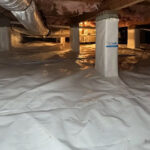
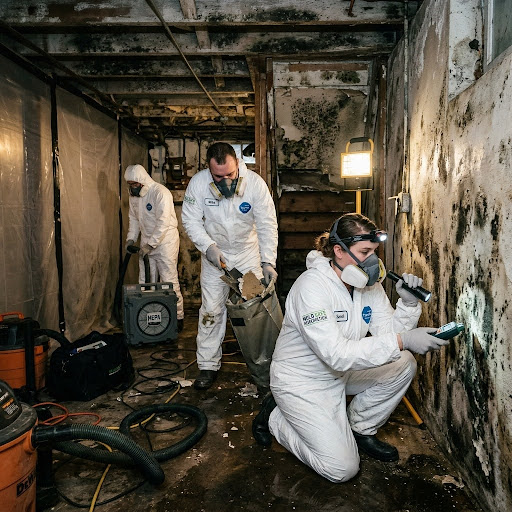
To stop spores from spreading during cleanup, experts seal off affected areas. This often includes plastic sheeting and negative air pressure systems that keep contamination contained.
Removal and Cleaning
Porous materials that can’t be salvaged—like soaked drywall or carpet—are removed and disposed of safely. Surfaces are then cleaned, treated, and disinfected with specialized equipment and antimicrobial solutions.
Restoration
Once the mold is gone, damaged areas are repaired and restored. This might mean new drywall, fresh paint, or replaced flooring, bringing your space back to its original condition.
The DIY Trap
It’s tempting to grab a spray bottle and handle mold yourself. For tiny surface spots, that might work. But larger infestations are a different story.
Store-bought cleaners often mask the problem instead of solving it. They don’t reach mold hiding inside walls or beneath floors, and they don’t address the moisture that caused the growth in the first place. Worse, disturbing mold without proper containment can release spores throughout your home.
Professionals bring the tools, training, and protective gear to do the job safely and completely. They don’t just clean up what you can see—they tackle what you can’t.
Faster, Safer, and Done Right
Bringing in a professional mold remediation company means your home gets restored quickly, your family stays protected from harmful spores, and the underlying moisture problem gets solved so mold doesn’t return month after month. That kind of thorough, lasting result is something a weekend cleanup simply can’t match.
Experienced teams also know how to work with insurance claims, document the damage properly, and complete the job to industry standards. You get a healthier home and one less thing to worry about.
Prevention Tips That Actually Work
Once your home is mold-free, keeping it that way is the goal. A few habits go a long way:
- Control humidity. Keep indoor levels below 50% with dehumidifiers and good ventilation.
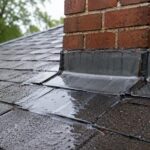
- Fix leaks fast. Address dripping pipes, roof leaks, and water stains the moment you notice them.
- Improve airflow. Use exhaust fans in bathrooms and kitchens to reduce moisture buildup.
- Dry wet areas immediately. Don’t let spills, floods, or condensation linger.
Small steps today can prevent big problems down the road.
Protect Your Home, Protect Your Health
Mold is sneaky, stubborn, and stubbornly persistent—but it’s no match for the right team. Tackling it early with professional help protects your property, your wallet, and the people you care about most.
If you’ve spotted signs of mold or want a professional inspection for peace of mind, don’t wait for it to spread. Reach out to a trusted team and take the first step toward a cleaner, healthier home today.