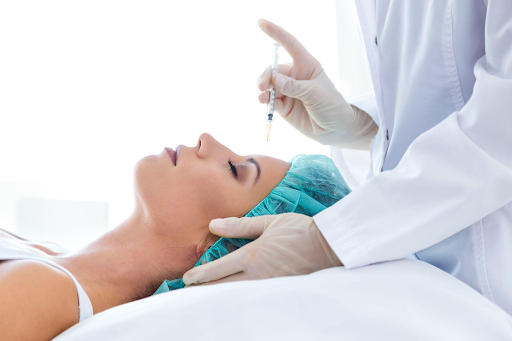
A nurse injector certification can open the door to one of the fastest-growing areas of healthcare. But not every program prepares you to inject safely. Some courses hand out a certificate after a few hours of slides and a single supervised injection.
Demand is real. Neuromodulator injections such as Botox are among the most popular minimally invasive cosmetic treatments in the US, with millions performed every year. That growth has attracted a wave of new training providers, and quality varies widely.
This guide works as a pre-enrollment checklist for nurses, nurse practitioners, physician assistants, physicians, and dentists comparing nurse injector certification programs. It covers seven red flags to watch for, what a strong program looks like instead, and answers to the career questions most clinicians ask first.
Why Injector Training Quality Matters
Injector training is the foundation for every treatment you will perform. Weak training shows up in four places:
- Patient safety: poor technique raises the risk of bruising, asymmetry, eyelid ptosis, and rare but serious events like vascular occlusion.
- Clinical confidence: injectors who never practiced on real faces often hesitate or overcorrect with their first paying patients.
- Legal compliance: misunderstanding supervision or delegation rules can put a license at risk.
- Reputation: in aesthetics, patients talk, post reviews, and share photos. One bad outcome travels fast.
Picture two new injectors. One finished a weekend course with mannequin practice only. The other injected a dozen live models under supervision and learned to manage complications. Their certificates may look alike, but their first month in practice will not.
7 Red Flags in Medaesthetics Training Programs
Use these warning signs to compare any medaesthetics training program before you pay a deposit.
1. Little or no hands-on practice with live models
Mannequins and videos teach landmarks, but they cannot teach how real tissue responds. Ask how many live models you will inject and how many units or syringes you will personally administer. If the answer is vague, or five students share one model, treat that as a warning.
2. Overcrowded classes
Large groups mean less time with the instructor’s eyes on your hands. Many quality programs keep injection sessions to roughly four to six students per instructor. Ask for the exact ratio during the hands-on portion, not just the lecture.
3. Minimal facial anatomy instruction
Safe injecting starts with knowing where arteries, nerves, and muscles sit, and how they vary between patients. A program that rushes anatomy in an hour is skipping the part that prevents most complications. Look for layered anatomy teaching tied directly to each injection site.
4. No training in complication management
Every injector will eventually face an adverse event. Vascular occlusion, which is a blocked blood vessel caused by filler, needs fast recognition and treatment. Programs should cover prevention, warning signs, emergency protocols, and when to refer.
5. Instructors with unclear credentials
You should be able to verify who is teaching you. Ask about each instructor’s license, years of injecting, and teaching experience. Strong programs name their faculty and are open about their clinical background.
6. Vague guidance on scope of practice and state rules
What you can legally do depends on your license and your state. If someone is researching Botox certification in Texas, for example, they need to understand physician delegation, who performs the initial patient assessment, and how supervision works. A program that says “the certificate lets you inject anywhere” is giving misleading advice.
7. No support after the course ends
The first few months of practice raise the most questions. Programs that end contact on the last day leave new injectors on their own. Look for mentorship, case review, refresher sessions, or a way to reach instructors with clinical questions.
What Strong Injector Training Looks Like
The best programs flip each red flag into a strength. When you compare a nurse injector certification program from a medical aesthetic training academy such as Injector Training Academy against others, look for:
- Small-group instruction with a low student-to-instructor ratio
- Supervised injections on multiple live models
- Detailed facial anatomy linked to each treatment area
- A full complication management module, including vascular occlusion protocols
- Named, verifiable instructors with active clinical practices
- Clear teaching on scope of practice, delegation, and state regulations
- Mentorship after the course and pathways into advanced training, such as dermal fillers or microneedling
How to become a certified nurse injector?
You become a certified nurse injector by holding an active healthcare license, completing accredited injector training, and practicing within your state’s rules. The usual path looks like this:
- Hold an active RN, NP, PA, MD, DO, or DDS license in good standing.
- Complete a Botox and dermal filler course with live-model practice, ideally at a dedicated medical aesthetic training academy.
- Confirm your state’s supervision and delegation requirements.
- Gain experience under a medical director or experienced injector.
- Pursue advanced training or a credential such as the Certified Aesthetic Nurse Specialist (CANS) once eligible.
How long would it take to become a nurse injector?
Foundational injector training usually takes one to three days. Building real competence takes longer. Most new injectors need several months of supervised practice before they feel confident, and the CANS credential requires two years of nursing experience plus documented aesthetic practice hours.
How much do Botox RNs make?
Pay varies by location, experience, and whether you earn salary, hourly, or commission. Aesthetic nurses in the US typically earn around $80,000 to $104,000 a year. Experienced cosmetic nurse injectors with a loyal patient base can earn well above that, sometimes up to $190,000, and aesthetic nurse practitioners average around $130,000.
Can you be a nurse injector as an RN?
Yes. In most US states, registered nurses can administer neurotoxins and fillers under the delegation or supervision of a physician, NP, or PA. RNs generally cannot diagnose or prescribe on their own, so the supervising provider handles the initial assessment and orders. Rules differ by state, so check with your nursing board before you start.
Before You Enroll: Insights, Limits, and Next Steps
Key insights
- Hands-on practice on live models matters more than course length or certificate design.
- Complication training protects your patients and your license.
- State rules, not the certificate, decide what you can legally do.
Limitations to keep in mind
- No single course makes you an expert injector.
- Salary figures are averages and vary widely by market and pay model.
- A certificate does not replace your state’s licensing or delegation requirements.
Practical steps
- Ask every program for its instructor ratio and live-model count in writing.
- Request the full curriculum, including the complication module.
- Check instructor licenses through your state board lookup.
- Ask what support you get after graduation.
Conclusion
The right training does more than teach you where to place a needle. It shapes how you assess patients, handle the unexpected, and protect your professional name for years to come. Whether you train with Injector Training Academy, a medical aesthetic training academy offering hands-on Botox and dermal filler education for licensed healthcare professionals, or with another provider, hold every program to the same checklist.
So before you compare prices, ask a simpler question: will this program still be helping you on the day your first complication walks through the door?