When a garage door in Sanford, NC starts grinding, reversing unexpectedly, or refusing to budge, it disrupts daily routines and can raise safety concerns. While many repairs demand a qualified technician, a little targeted troubleshooting can save time and help you explain the problem clearly when you do schedule service. This guide focuses on safe checks at home for residential doors and openers, what details to jot down before you call, and how our humid central North Carolina climate can affect door performance. Use these steps to distinguish a simple obstruction from a spring, cable, or opener issue that requires professional attention.
-
Match the Symptom to the Right Part of the Door System
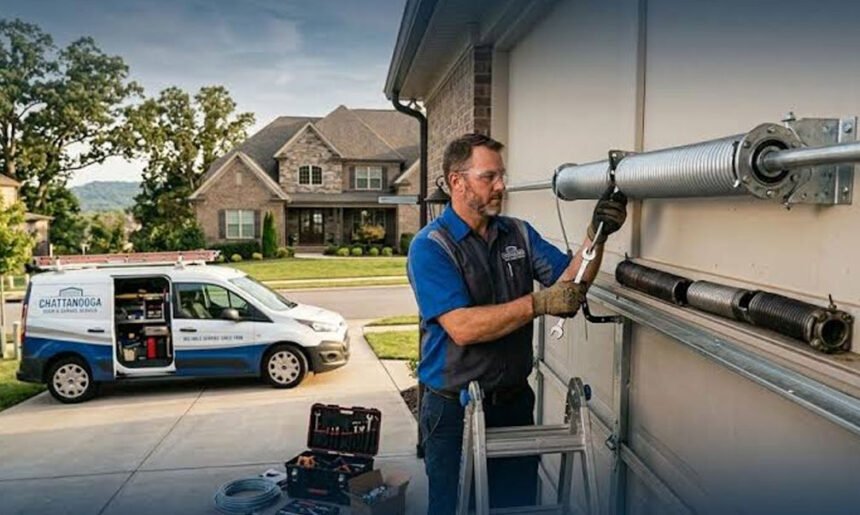
Start by mapping what you see and hear to common components. A door that starts down, then reverses with the opener light flashing often points to misaligned photo eyes on the vertical tracks or a blocked invisible beam. Loud scraping can come from bent track or metal rollers with worn bearings, while rhythmic clacking under load usually indicates loose hinges or a cracked hinge barrel. If the opener hums but the door does not move, the trolley may be disengaged at the emergency release, the carriage may be stripped, or a torsion spring above the door may be broken. A door that feels suddenly heavy when operated by hand often signals a spring failure or frayed lift cables on the bottom brackets.
Be careful not to mask a real fault by increasing opener force or travel settings. If the door binds because of a swollen wooden panel or a dented section, raising force can make the opener push past a safety stop and create more damage. Problems involving torsion springs, extension springs, lift cables, or cable drums require a trained professional; in those cases, scheduling service with a company that provides residential garage door services by Superior Overhead Doors is the appropriate next step.
-
Safe Checks You Can Do at Home in Minutes
Confirm the photo eyes are aligned and clean. Each safety sensor typically shows a steady LED when aligned; a blinking or dark LED suggests misalignment or a loose wire. Wipe dust and pollen from the lenses and ensure both brackets are securely aimed at each other across the door opening. Next, look at the wall control: many consoles have a lock button that disables remotes. If your remotes stopped working but the door still operates from the wall button, toggle the lock off and replace the remote battery. A weak CR2032 coin cell can imitate a remote failure.
Inspect the tracks and rollers with the door fully closed. Clear pebbles, acorns, or hardened grease buildup from the vertical track channels. Listen while you open the door a few feet and close it again. Chattering or flat spots from steel rollers suggest the rollers are wearing out; nylon rollers with ball bearings reduce noise but need occasional lubrication. If you test the balance, only pull the red emergency release cord when the door is all the way down, and there are no signs of spring or cable damage. Then lift the door by hand halfway. It should stay put or drift slowly. If it slams or is very heavy, stop and leave the door closed. That imbalance points to spring service, which is not a DIY task.
-
Details to Note Before You Schedule a Repair
Write down your opener brand and model number from the motor head or rail, and note whether it is a chain drive, belt drive, or screw drive. Identify your spring type: torsion springs mount on a shaft above the door with center and end bearings; extension springs run parallel to the horizontal tracks with safety cables. Estimate your door size, panel count, and material. Steel sections behave differently from wood or composite slabs when it comes to swelling, rust, and weight changes.
Capture the exact behavior on video if possible, including any blinking light codes on the opener and the sound from the rollers or center bearing plate. Note whether the problem changes with temperature or after rain. If the opener stops in the same spot every cycle, record that position relative to the header or strut. Mention any recent changes such as a vehicle bumping the track, a new keypad install, or storms that could have soaked the bottom seal, called the astragal.
-
How Sanford’s Climate Can Cause Specific Garage Door Problems
Central North Carolina’s humidity affects door movement and hardware life. Wood panels can absorb moisture and swell against the tracks, making the opener strain near the jambs. In this case, forcing travel settings to a higher value is a temporary patch that risks cracking a stile or tearing hardware from the stile; the door or track alignment needs attention instead. Moisture and pollen can accelerate rust on lift cables and drums, leading to fraying near the bottom bracket where water collects.
Lubrication choice matters with our seasonal swings. Thick, dirty grease can stiffen in cooler months and slow the trolley along the opener rail. A light application of garage door lubricant on hinges, steel rollers, and the torsion spring coils can quiet operation; silicone or lithium-based spray is preferable to penetrating oils that strip grease. Do not lubricate nylon roller tires or the opener belt. Wipe the track faces clean rather than adding lubricant there, which only attracts grit.
Prepare the Garage for a Technician’s Visit
Clear about three feet around each vertical track and the spring area above the header so a ladder can be safely placed. Move vehicles out of the garage, and make sure there is access to a grounded outlet for tools. If you have a smart opener, have WiFi credentials handy in case a limit reset or logic board update is needed. Secure pets, remove bikes or totes hanging from the track angle, and check that ceiling storage does not block the opener rail. Good access shortens diagnostic time and helps prevent accidental damage to stored items.
Think through the trade-off between a temporary solution and a proper fix. Swapping in a cheap steel roller might quiet a squeal for a while, but replacing a set with sealed nylon rollers and adding a horizontal strut to a flexing top section can solve both noise and binding over the long term. Similarly, cleaning and straightening photo eye brackets may restore closing today, but bent tracks, a cracked hinge, or a sagging panel can cause the sensors to fall out of alignment again. Tell your technician which approach you prefer so parts and time can be planned accordingly.
If you recognize a simple obstruction or a sensor lockout, these checks can get your garage door moving again without risk. When symptoms point to springs, lift cables, or structural issues, stop testing and keep the door closed until a professional can evaluate it. Clear notes, brief video, and a ready workspace help the visit go faster and reduce repeat trips. With Sanford’s humidity and seasonal pollen, an annual balance test and lubrication twice a year can prevent many surprises between service calls.