Replacing a furnace is a significant investment that affects indoor comfort, energy use, and the overall performance of a home’s heating system. While many homeowners focus on choosing the right furnace size or fuel type, the condition of the home’s airflow often receives less attention. Airflow determines how efficiently warm air moves through every room, influencing temperature consistency and equipment longevity. Heating contractors frequently recommend conducting an airflow assessment before installing a new furnace because it helps uncover hidden issues that could limit performance after installation. Identifying these concerns early allows homeowners to make informed decisions while reducing the chances of future heating problems.
The Value of Airflow Testing
Understanding How Airflow Shapes Furnace Performance
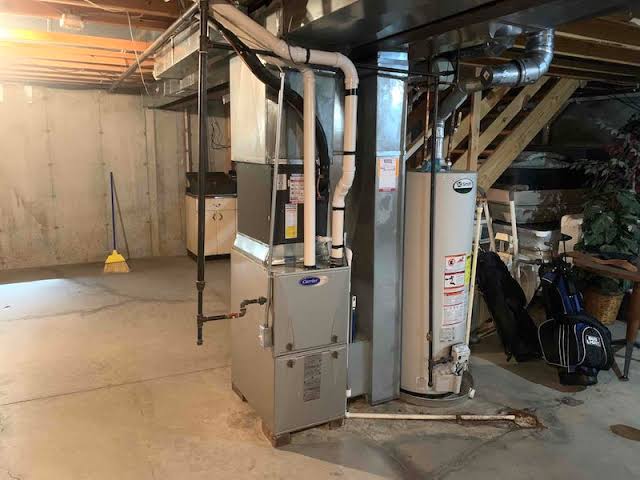
A furnace is designed to produce heat, but the ductwork and ventilation system determine how effectively that heat reaches every part of a home. Even a high-quality furnace may struggle to maintain comfortable indoor temperatures if airflow is restricted by clogged ducts, undersized returns, damaged vents, or poor duct design. Heating contractors often begin with airflow assessments because they provide measurable information about how air currently travels throughout the property.
These evaluations reveal pressure imbalances, airflow restrictions, and uneven circulation that may otherwise remain unnoticed until after the installation is complete. Correcting these conditions before installing a new furnace creates a stronger foundation for reliable heating and helps prevent unnecessary strain on the equipment from the very beginning. Homeowners in Harvey can benefit from an airflow assessment before installing a furnace because it helps identify conditions that may affect heating efficiency and indoor comfort.
Identifying Hidden Problems Before Installation
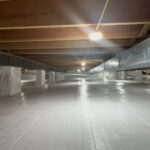
Many heating systems develop hidden issues over the years of daily operation that homeowners rarely notice until comfort begins to decline. Leaking ducts hidden behind walls, disconnected joints in crawl spaces, crushed flexible duct sections, and blocked return air pathways can quietly reduce heating efficiency without producing obvious warning signs. An airflow assessment allows heating contractors to identify these conditions before a replacement furnace is connected to the existing system. Installing a new furnace without addressing these concerns may result in the same uneven heating, noisy airflow, and excessive equipment cycling experienced with the old unit.
Discovering these problems beforehand provides an opportunity to repair or improve the distribution system so the new furnace operates under conditions that support consistent heating. This proactive approach often reduces future service calls while helping homeowners enjoy improved comfort throughout every heating season.
Matching Furnace Capacity With Home Airflow
Selecting the correct furnace involves more than calculating square footage or comparing heating capacities. Every home’s duct system has limits that affect how efficiently air can circulate through the supply and return vents. If a furnace moves more air than the ducts can comfortably handle, excessive pressure may develop, creating unwanted noise and reducing overall efficiency. Conversely, airflow that is too low can cause heat to build up inside the furnace, increasing wear on internal components and potentially shortening the equipment’s life. Heating contractors rely on airflow assessments to understand these limitations before recommending a furnace model.
The collected data helps determine whether duct modifications, additional return vents, or airflow balancing measures should accompany the installation. By considering the relationship between furnace output and airflow capacity, contractors help create a heating system that operates more smoothly while supporting comfortable indoor temperatures across the home.
Improving Indoor Comfort Throughout Every Room
Uneven heating is one of the most common complaints homeowners experience during winter. Some rooms remain comfortably warm while others stay noticeably colder despite the furnace operating continuously. These differences are often linked to airflow rather than furnace performance alone. Airflow assessments measure how much conditioned air reaches individual areas of the home, making it easier to identify rooms receiving inadequate circulation. Contractors may discover partially blocked ducts, improperly adjusted dampers, or insufficient return airflow contributing to temperature differences.
Addressing these conditions before installing a new furnace allows warm air to distribute more evenly after the replacement is complete. Instead of relying on frequent thermostat adjustments or portable heaters, homeowners benefit from balanced heating that reaches bedrooms, living spaces, and other occupied areas more consistently, improving comfort without placing unnecessary demands on the furnace.
Reducing Energy Waste Through Balanced Air Distribution
A heating system performs more efficiently when airflow moves freely throughout the home. Restrictions force the furnace to work longer to reach the desired temperature, increasing energy consumption without delivering additional comfort. Airflow assessments help contractors identify areas where conditioned air leaks or encounters resistance before reaching occupied rooms. Sealing duct leaks, correcting airflow restrictions, and balancing air distribution reduce wasted heated air while allowing the furnace to complete heating cycles more efficiently.
These improvements become particularly valuable after installing a new furnace because the equipment can operate under its intended conditions rather than compensating for avoidable airflow losses. Lowering operating strain often reduces utility expenses over time while maintaining comfortable indoor temperatures during colder months, making airflow evaluation an important part of responsible heating system planning.
Protecting Furnace Components From Premature Wear
Modern furnaces contain multiple components that depend on proper airflow for safe and reliable operation. Heat exchangers, blower motors, burners, and safety sensors all function within designed airflow ranges. When airflow becomes restricted, internal temperatures may rise beyond normal operating conditions, increasing stress on various parts of the system. Over time, this additional strain can contribute to more frequent maintenance needs and shorten the service life of important components.
Heating contractors perform airflow assessments before installation to minimize these risks from the start. Identifying ventilation concerns before connecting the new furnace allows corrective work to be completed before unnecessary wear develops. A properly balanced airflow system helps the furnace cycle as intended, supporting steady operation and reducing the likelihood of avoidable mechanical issues caused by poor air movement in the home’s heating system.
Heating contractors recommend airflow assessments before installing a new furnace because they provide valuable information that supports reliable heating performance, improved comfort, and efficient operation. Evaluating airflow helps identify hidden duct problems, balance air distribution, protect furnace components, and reduce unnecessary energy waste before the replacement system begins operating. Rather than focusing only on the furnace itself, contractors examine how the entire heating system functions as a whole. This broader approach helps homeowners avoid repeating existing comfort issues while allowing the new furnace to perform under favorable conditions. Investing time in an airflow assessment often leads to a smoother installation process and more dependable heating for years to come.