Replacing an aging HVAC system is a significant decision that affects a home’s comfort, energy use, and long-term expenses. Many families wait until their heating or cooling equipment fails before considering a replacement, but planning ahead often leads to better financial and practical outcomes. A thoughtful approach allows homeowners to compare options, understand installation requirements, and prepare their homes for improved performance.
Rather than focusing only on the purchase price, it helps to evaluate how a new system will support daily living, future maintenance, indoor air quality, and changing household needs while reducing unexpected disruptions during installation.
Key Factors Before Replacement
Understanding Whether Replacement Is the Right Decision
Many homeowners assume that an older HVAC system automatically needs replacement, but age alone should not determine the final choice. A unit that has been properly maintained may continue to operate efficiently for several years, while another of the same age could struggle due to neglected servicing or years of heavy use. Families should evaluate how often repairs are needed, whether replacement parts are becoming difficult to source, and if energy bills have steadily increased despite regular maintenance. Comfort is another important indicator, as uneven temperatures, poor airflow, excessive noise, and long operating cycles often suggest the equipment is no longer performing as intended.
Before making a final decision, it is worthwhile to compare the cumulative cost of repeated repairs with the expected value of installing a newer system that may reduce monthly operating expenses. Another factor involves considering upcoming household changes, such as expanding the family, renovating living spaces, or converting unused rooms into frequently occupied areas. These adjustments may alter heating and cooling demands enough to justify upgrading the system instead of continuing to repair aging equipment. Families seeking dependable guidance for regional climate considerations may also research HVAC Pensacola to better understand local installation practices and equipment recommendations.
Matching the New System to Household Needs
Choosing a replacement HVAC system involves much more than selecting equipment with a higher efficiency rating. Every home has unique characteristics that influence heating and cooling requirements, including square footage, ceiling height, insulation levels, window placement, and the number of people living inside. Purchasing equipment that is too large may cause short cycling, while a unit that is too small may struggle to maintain comfortable temperatures during extreme weather. Proper sizing helps maintain consistent comfort while limiting unnecessary wear on components. Families should also consider their daily routines because occupancy patterns affect energy consumption throughout the day. Homes where occupants work remotely often require different operating schedules than households that remain empty during business hours.
Lifestyle preferences also matter, particularly for those who prioritize quieter operation or more consistent humidity control. In addition, households with pets, young children, or older adults may benefit from improved air filtration and ventilation features that contribute to cleaner indoor air. Selecting equipment that reflects both the home’s physical characteristics and the family’s habits can provide lasting comfort while reducing avoidable operating costs throughout the life of the system.
Evaluating Long-Term Financial Considerations
The purchase price of a new HVAC system represents only one portion of the overall investment. Families should examine installation costs, operating costs, maintenance requirements, warranty coverage, and expected equipment lifespan before committing. While higher-efficiency systems may require a larger upfront payment, they often consume less electricity or fuel over many years, potentially reducing monthly utility bills. Calculating these ongoing savings provides a more complete understanding of the total financial picture. Financing options may also influence the decision, allowing homeowners to spread costs over time rather than delaying replacement until the existing system completely fails. Local utility companies or government programs may occasionally provide rebates or incentives for qualifying energy-efficient equipment, helping reduce initial expenses.
Another financial consideration is future repair costs, as older systems often require more frequent service visits as components wear out. Families should compare estimated maintenance expenses over several years with the anticipated reliability of newer equipment. Looking beyond the purchase price encourages more informed decisions that balance affordability with dependable long-term performance while avoiding unexpected financial strain after installation is complete.
Preparing the Home Before Installation
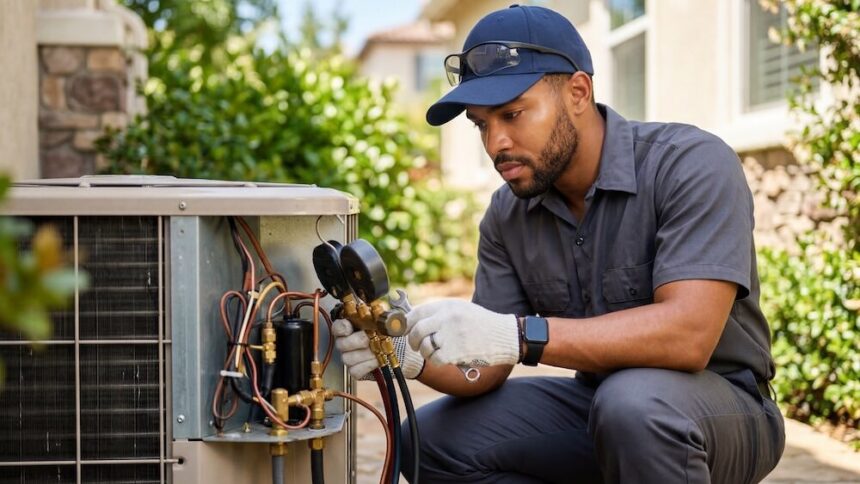
Replacing an HVAC system often involves more than removing one unit and installing another. The condition of existing ductwork, electrical connections, ventilation pathways, and insulation can significantly influence how effectively the new equipment performs. Leaking or poorly insulated ducts may waste conditioned air before it reaches occupied rooms, reducing overall efficiency even when modern equipment is installed. Families should consider having these supporting systems evaluated to identify issues that may limit performance. Preparing the installation area also helps ensure the project proceeds smoothly with fewer delays. Clearing access around indoor and outdoor equipment allows technicians to work safely while protecting household belongings from accidental damage.
Homeowners may also use this opportunity to improve attic insulation, seal air leaks around windows and doors, or replace outdated thermostats with programmable or smart controls that simplify temperature management. Coordinating these improvements with the HVAC replacement can reduce future disruptions and create a more comfortable indoor environment. A well-prepared home enables the new system to operate under favorable conditions, helping homeowners gain greater value from their investment while supporting reliable comfort throughout changing seasons.
Thinking Beyond Immediate Comfort
A replacement HVAC system influences many aspects of everyday life beyond maintaining indoor temperatures. Indoor air quality plays an increasingly important role for families concerned about dust, allergens, humidity, and airborne particles. Modern equipment often offers improved filtration options that help keep the air throughout the home cleaner when combined with regular maintenance. Noise levels also deserve attention because quieter systems create a more peaceful indoor environment, particularly in homes where family members work, study, or sleep on varying schedules. Environmental considerations may also shape purchasing decisions, as newer systems generally use refrigerants and technologies designed to improve efficiency while reducing overall energy consumption.
Families planning to remain in their homes for many years may also think about resale value, since updated heating and cooling equipment often appeals to prospective buyers seeking dependable home infrastructure. Considering these broader benefits encourages homeowners to view HVAC replacement as an investment in overall quality of life rather than simply as replacing worn-out machinery. Looking beyond immediate comfort allows families to make thoughtful decisions that continue delivering value through improved convenience, healthier indoor conditions, and dependable daily operation.
Replacing an aging HVAC system requires careful planning rather than a rushed response to equipment failure. Families benefit from evaluating repair history, household needs, financial considerations, home readiness, and long-term comfort before selecting new equipment. Taking time to understand these factors creates opportunities to improve efficiency, reduce operating costs, and enhance indoor living conditions for years to come. A well-planned replacement not only supports dependable heating and cooling but also contributes to healthier indoor air, quieter operation, and greater confidence that the home’s comfort system will continue meeting the family’s changing needs well into the future.