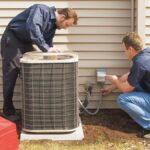
When summer humidity settles over Warrior, a central air conditioner that runs long, cools unevenly, or leaves the house clammy is more than an annoyance. Many of these symptoms point to airflow and moisture issues that a technician can resolve quickly if you identify what is happening and where. This article offers a practical, safety-focused checklist to help homeowners recognize early signs, do simple checks, and gather details that speed up an air conditioning service visit. You are not replacing professional diagnostics; you are giving them a head start. The payoff is often a clearer diagnosis, fewer return trips, and a system that cools and dehumidifies as it should in central Alabama’s climate.
-
Early signs your system has an airflow problem
Weak air from supply registers, a return grille that whistles, or a blower that never seems to cycle off all point to airflow restrictions. Ice on the larger insulated refrigerant line, a sweating air handler cabinet, or an overflowing condensate drain can also signal a dirty filter, a matted evaporator coil, or a blower wheel coated in dust. Indoors, you might notice a bedroom that never reaches setpoint or a sticky, high-humidity feel even when the thermostat shows the correct temperature. Outdoors, a condenser fan that starts and stops rapidly can indicate short cycling, which often coincides with poor heat exchange across the condenser coil.
These indicators matter because airflow affects every stage of cooling and dehumidification. A clogged filter or closed supply dampers raise static pressure, reducing air across the evaporator coil and allowing it to frost. Low airflow also weakens moisture removal, leaving indoor relative humidity high. For neutral, technical explanations of how central systems move air and shed heat, as well as what a professional checks during a visit, resources like https://www.setpointair.com/ outline common components, from capacitors and contactors to ductwork and drain safeties.
-
Safe checks to try before you schedule service
Start with the air filter. Confirm the size fits the rack snugly and the arrow points toward the air handler. If your filter is visibly gray or the media is pleated tightly at a high MERV rating, replace it with a clean filter that balances capture and airflow. Next, open at least several supply registers in each zone and ensure every return grille is unobstructed by furniture. Then set the thermostat to Cool, Fan Auto (not On), and a reasonable setpoint. Fan On can raise indoor humidity by letting moisture evaporate off the coil between cycles, which makes the home feel warmer.
At the outdoor unit, keep 18 to 24 inches of clearance around the condenser coil. Gently remove leaves from the base and trim vegetation back, but avoid spraying water into the cabinet or bending delicate fins. Inside, inspect the drain pan under the air handler and look for a tripped float switch, which interrupts cooling when the condensate line backs up. Resetting a float without clearing the blockage can cause repeat shutdowns, so note what you find. Finally, check the breaker and any outdoor service disconnect to confirm the system has power. Do not open panels or attempt to handle refrigerant lines; those are technician tasks.
-
What commonly causes weak cooling in Alabama homes
Attic duct leakage is a frequent culprit. Open seams at the plenum or boots can dump cooled air into a hot attic and pull attic air into returns, forcing longer runtimes and raising humidity. Undersized returns also starve the blower, increasing static pressure and noise at the return grille. Inside the air handler, a dirty evaporator coil or a blower wheel caked with dust reduces airflow even with a fresh filter. Outdoors, a condenser coil matted with cottonwood or lawn debris traps heat, pushing head pressures up and stressing the compressor and capacitor.
Refrigerant and sizing issues show up differently. A system that short cycles during muggy afternoons may be oversized, dropping temperature quickly but removing little moisture. Conversely, a unit that runs continuously and never quite cools could have low refrigerant from a leak, or it could be fighting solar gain through west-facing windows. Scenario 1: a two-story home with a bonus room over the garage stays hot at 5 p.m. because its branch duct is long and undersized; supply air arrives weak and warm. Scenario 2: an older ranch has return only in the hallway; closing bedroom doors blocks the return path, causing those rooms to overheat while the hallway feels fine.
-
Details to collect that speed up an air conditioning service visit
Write down the filter size and when it was last changed, the thermostat brand and any error codes, and whether the float switch or breaker tripped. Note when symptoms worsen, which rooms feel weak, and whether doors were open or closed. If you see frost on the evaporator coil or the suction line, take a photo and power the system off to allow thawing; a technician cannot read accurate pressures on a frozen coil. Tell the tech if the outdoor fan runs without the compressor or if you hear a humming noise at startup, both classic capacitor clues. These specifics guide the technician toward the right measurements, from static pressure readings to temperature drop across the coil.
Humidity choices that help, not hurt, your AC
Because Warrior’s summers are humid, your habits and settings can either support or undermine dehumidification. Keep the thermostat on Fan Auto so the blower does not cause moisture from the coil to evaporate again between cycles. Use bathroom and kitchen exhaust fans during showers and cooking. If your thermostat offers a dehumidify mode, it may slow the blower for better moisture removal during mild weather. That setting trades a small amount of airflow for increased latent heat removal, which helps tame a clammy feel on rainy days.
Filter selection is another trade-off. Higher MERV filters capture finer particles but can restrict airflow if the return is small. If you need greater filtration for allergies, consider a deeper media filter cabinet rather than cramming a dense one-inch pleat into a narrow slot. Avoid closing too many supply registers to “push more air” to a distant room; it raises static pressure and can trigger coil icing. For chronic humidity or comfort imbalances, a professional may recommend duct sealing, adding a return in a frequently closed room, or adjusting blower speed. Those changes target airflow and moisture at the source rather than forcing the thermostat lower and driving bills up.
Used together, these observations and small steps give your technician a meaningful head start. By noting airflow clues, clearing basic obstructions, and documenting when and where symptoms show up, you help separate a simple filter or drain issue from deeper causes like duct leakage, a failing capacitor, or a dirty evaporator coil. That clarity matters in Warrior’s heat and humidity, where proper airflow and moisture control go hand in hand. After your checkup, keep returns open, change filters on schedule, and use exhaust fans during peak moisture loads. The result is steadier comfort, drier air, and fewer midsummer surprises when the heat ramps up.