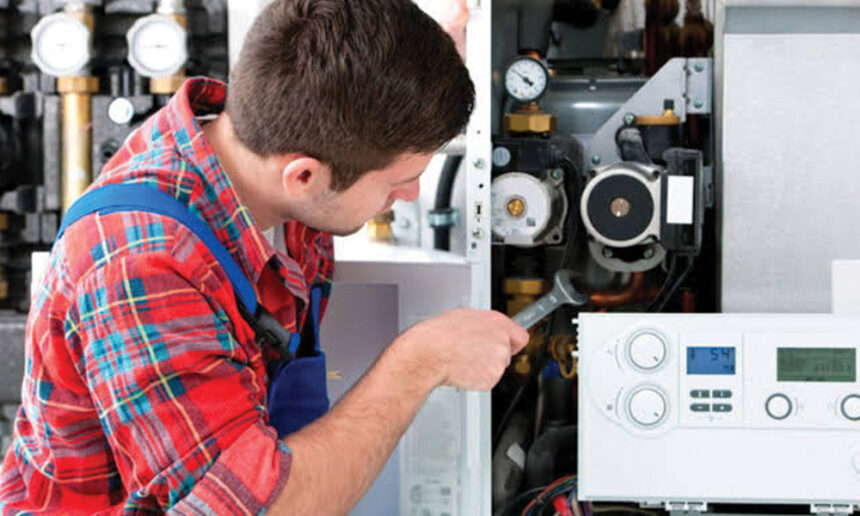
Winter places constant demands on every home’s heating system, making reliable furnace performance essential for comfort, safety, and daily routines. When a furnace suddenly stops working during freezing temperatures, families may face uncomfortable indoor conditions, costly emergency repairs, and unnecessary stress. Many of these situations develop gradually, with small mechanical issues going unnoticed until the system can no longer operate efficiently. Consistent maintenance and timely repairs help identify worn components before they create larger problems. Addressing concerns early supports dependable heating, improves efficiency, extends equipment life, and reduces the likelihood of unexpected breakdowns during the coldest weeks of the year.
Staying Ahead of Winter Problems
-
Detecting Minor Issues Before They Become Costly Failures
Every furnace experiences normal wear throughout its operating life, especially after running continuously during cold weather. Small concerns such as loose electrical connections, clogged filters, worn belts, dirty burners, or aging ignition components rarely cause an immediate shutdown. Instead, these problems often develop slowly while the furnace continues operating with reduced efficiency. Because the changes happen gradually, homeowners may overlook unusual sounds, longer heating cycles, or inconsistent temperatures from room to room. Routine inspections allow trained technicians to identify these developing concerns before they trigger complete system failure during freezing weather. Replacing inexpensive parts early often prevents damage to larger components that require more extensive repairs.
Preventive attention also keeps airflow unrestricted, maintains stable combustion, and helps the entire heating system operate under normal conditions. Investing in timely maintenance reduces the chance of emergency service calls while helping families remain comfortable throughout the season. Furnace repair service provides an opportunity to correct developing faults before they create unexpected heating interruptions during the coldest months of winter.
-
Preserving Reliable Airflow Throughout the Heating System
A furnace depends on unrestricted airflow to distribute warm air evenly throughout the house. When airflow is limited by clogged filters, blocked vents, damaged blower motors, dirty evaporator coils, or obstructed ductwork, the heating system must work much harder to maintain the desired indoor temperature. This added strain increases operating temperatures inside the furnace and places unnecessary pressure on internal components. Over time, overheating may activate safety switches, forcing the system to shut down unexpectedly. Poor airflow can also create uneven heating, leaving some rooms warm while others remain noticeably colder. Professional repairs restore balanced airflow by addressing the root causes rather than simply treating the symptoms.
Cleaning internal components, adjusting blower performance, replacing worn motors, and removing airflow restrictions allow heated air to circulate efficiently throughout the home. Improved circulation reduces mechanical stress while helping the furnace complete heating cycles more efficiently. This balanced operation minimizes unnecessary wear, reduces energy consumption, and significantly lowers the risk of sudden breakdowns during continuous winter operation.
-
Protecting Critical Components From Excessive Wear
Every heating cycle places a small amount of stress on the mechanical and electrical components inside the furnace. Ignition systems, heat exchangers, blower assemblies, gas valves, flame sensors, control boards, bearings, and safety switches all work together during each operating cycle. When one component begins malfunctioning, surrounding parts often compensate by working harder than intended. This chain reaction accelerates wear throughout the system, increasing repair costs if left unresolved. Preventive repairs interrupt this cycle before additional damage develops. Technicians inspect moving parts for excessive friction, verify electrical connections, test safety controls, and confirm that every component operates within the manufacturer’s recommendations.
Lubricating moving assemblies, tightening loose connections, replacing worn parts, and correcting improper adjustments all contribute to smoother system operation. Rather than allowing multiple components to deteriorate simultaneously, early repairs preserve the health of the entire furnace. Maintaining balanced mechanical performance extends equipment longevity while reducing the risk of major failures that often occur when neglected systems experience extended periods of heavy winter demand.
-
Improving Energy Efficiency During Peak Heating Season
A furnace operating with hidden mechanical problems often consumes considerably more energy than necessary. Dirty burners may reduce combustion efficiency, worn blower motors may struggle to move heated air, malfunctioning thermostats may cause excessive cycling, and restricted airflow may force longer operating times. These inefficiencies increase monthly utility expenses while placing additional strain on the furnace. Timely repairs restore proper performance by correcting conditions that prevent efficient operation. Once airflow improves and combustion remains stable, the heating system reaches target temperatures more quickly while using less fuel or electricity.
Reduced operating time decreases wear on essential components and allows the furnace to maintain comfortable indoor conditions without unnecessary effort. Improved efficiency also supports more consistent room temperatures, reducing the hot and cold spots that often develop when equipment struggles to perform properly. By eliminating small mechanical problems before they grow larger, homeowners enjoy lower operating costs while reducing the likelihood of emergency failures that often occur when inefficient systems are pushed beyond their normal operating capacity during severe winter weather.
-
Supporting Safe Heating Throughout Cold Weather
Dependable heating involves more than simply producing warm air; it also requires safe operation under changing weather conditions. Furnaces contain numerous safety controls designed to protect occupants and equipment from hazardous situations. Cracked heat exchangers, faulty flame sensors, blocked exhaust vents, malfunctioning limit switches, or damaged electrical wiring may compromise safe operation if left unaddressed. Regular repair visits provide opportunities to inspect these critical safety features and verify that combustion gases are vented properly and that electrical systems remain stable. Detecting potential hazards early helps prevent unsafe operating conditions and reduces the likelihood of emergency shutdowns triggered by protective safety mechanisms.
Technicians can also identify moisture buildup, corrosion, gas pressure irregularities, or ventilation concerns that might otherwise remain unnoticed until serious problems develop. Safe furnace operation protects household comfort while supporting healthier indoor air quality and dependable heating performance throughout prolonged periods of cold weather. Maintaining these protective systems offers reassurance that the furnace continues operating responsibly during its busiest season.
Mid-winter heating emergencies rarely happen without warning, as many begin with small mechanical issues that gradually worsen over time. Prompt repairs, routine inspections, and careful attention to furnace performance help uncover these developing problems before they interrupt daily life. Maintaining healthy airflow, protecting important components, improving efficiency, and confirming safe operation all contribute to dependable heating throughout the winter season. Rather than waiting for a complete system failure in freezing temperatures, homeowners benefit from addressing concerns while they are still manageable. A well-maintained furnace delivers reliable comfort, reduces unexpected repair costs, supports long-term equipment performance, and provides greater confidence during particularly demanding winter weather.