Invasive plant growth can quickly disrupt natural landscapes, reduce soil quality, and crowd out desirable vegetation if land is not managed thoughtfully. Effective land-clearing approaches go beyond simply removing visible plants; they focus on long-term control of regrowth and on soil conditions that encourage unwanted species. By combining careful removal techniques with ongoing maintenance, landowners can restore balance and support healthier ecosystems. Understanding how different clearing methods influence plant regrowth is important for both small properties and large tracts of land. Proper planning also helps reduce repeated infestations and limits environmental disturbance while preparing the ground for future use.
Key Clearing Approaches and Field Practices
-
Initial Site Assessment and Planning
Initial site assessment and planning play a major role in determining how effectively invasive vegetation can be managed during land clearing. Before any physical work begins, understanding the types of plants present, their spread patterns, and the condition of the soil helps shape a practical approach. Observing slopes, drainage paths, and shaded areas also reveals where unwanted growth is most likely to return. This early evaluation allows for careful sequencing of clearing activities so that disturbed soil is not left vulnerable for long periods. In many cases, mapping out heavily infested zones first helps prioritize removal efforts in a structured manner.
Attention to seasonal growth cycles can also reduce the chance of regrowth after clearing. Proper planning reduces unnecessary disturbance and supports more stable ground conditions that are less favorable for invasive species to reestablish themselves over time.
-
Selective Removal of Problem Plants
Selective removal of problem plants focuses on identifying and eliminating aggressive vegetation while preserving desirable ground cover that helps stabilize soil. This approach avoids unnecessary disturbance, which often creates openings for invasive species to return more strongly. Cutting, uprooting, and targeted clearing techniques are applied based on plant type and root structure to minimize regrowth potential. Special attention is given to plants with deep root systems or rapid spreading capabilities, as these require more careful handling to prevent fragmentation in the soil.
By maintaining surrounding native vegetation where possible, the ecosystem retains a natural barrier against further spread. Contact us for land clearing, which can provide additional guidance when dealing with large or heavily infested areas that require coordinated removal efforts. After removal, monitoring the site ensures that any emerging shoots are quickly addressed before they become established.
-
Soil Management After Clearing
Post-clearing soil management is essential because disturbed ground often becomes a prime area for unwanted plant growth. Once vegetation has been removed, the soil is exposed to sunlight, moisture fluctuations, and wind-dispersed seeds. Stabilizing the surface through organic coverings or controlled replanting helps reduce these effects. Maintaining soil structure is equally important, as compacted or eroded ground can encourage opportunistic species to take hold. Adjusting drainage patterns may also help reduce overly wet conditions that support certain invasive plants.
In some cases, introducing fast-growing ground cover plants can provide natural competition against regrowth. Regular observation of soil conditions during the recovery phase allows for timely intervention if new shoots appear. These practices collectively contribute to a more stable environment in which undesirable vegetation has fewer opportunities to reestablish itself after clearing activities.
-
Use of Mechanical Clearing Methods
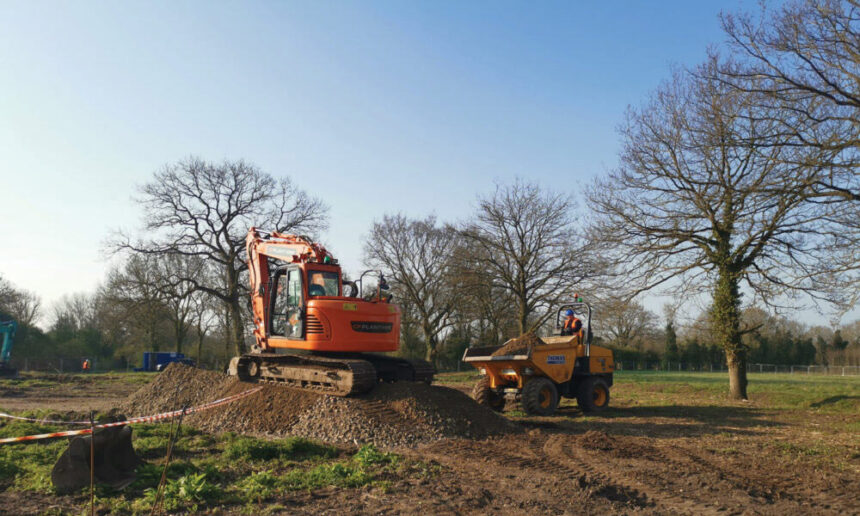
Mechanical clearing methods involve using tools and machinery to physically remove unwanted vegetation from the land. Equipment such as brush cutters, excavators, and mulchers can be used depending on the density and size of the affected area. To keep this heavy equipment running smoothly through demanding terrain, ensuring the reliability of final drive motors is essential for sustaining optimal performance. These methods are effective at quickly reducing large infestations, but they must be applied carefully to avoid excessive soil disruption. When soil is heavily disturbed, it may create conditions that favor rapid regrowth of hardy invasive plants. Therefore, operators often combine mechanical removal with follow-up maintenance to ensure long-term results.
Timing also plays a role, as clearing during certain growth stages can reduce the likelihood of seed dispersal. Proper handling of equipment ensures that roots are sufficiently removed to limit the potential for regrowth. When used alongside ecological management practices, mechanical clearing becomes part of a broader approach to maintaining balanced land conditions.
-
Controlled Burning and Natural Regrowth Control
Controlled burning, when permitted and carefully managed, can reduce accumulated plant material and limit the spread of certain invasive species. This approach removes surface vegetation and helps clear dense undergrowth that may otherwise be difficult to manage manually. However, it requires careful timing, monitoring, and adherence to safety regulations to prevent unintended spread.
After burning, the land often undergoes a natural regrowth phase where native plants may reestablish themselves more easily due to reduced competition. During this period, monitoring is important to ensure invasive species do not take advantage of the newly exposed soil. Additional measures, such as reseeding or planting ground cover, may be used to guide recovery toward a more balanced outcome. This method, when used responsibly, contributes to long-term vegetation control and supports healthier land conditions.
-
Long-Term Monitoring and Maintenance
Long-term monitoring and maintenance ensure that invasive plant growth does not return after initial land-clearing efforts. Even after thorough removal, dormant seeds and underground root systems may still produce new shoots over time. Regular inspections help identify early signs of regrowth, allowing for a quick response before plants become established again. Maintenance practices may include spot clearing, soil stabilization, and encouraging the growth of native vegetation that naturally competes with unwanted species.
Consistency in monitoring is key, as neglecting previously cleared areas often leads to rapid reestablishment of invasive plants. Environmental conditions such as rainfall patterns and seasonal changes should also be considered when planning follow-up visits. By maintaining ongoing attention to the land, the risk of large-scale reinfestation is significantly reduced, and the long-term success of clearing efforts is preserved.
Effective land clearing requires more than removing unwanted vegetation; it involves a combination of careful planning, targeted removal, and ongoing land management to reduce the return of invasive plant growth. By addressing soil conditions, selecting appropriate clearing methods, and supporting natural recovery processes, landowners can create environments that resist unwanted regrowth. Long-term observation and restoration efforts using native plants further strengthen the land’s resilience. These approaches work together to maintain healthier and more balanced landscapes over time. When applied consistently, they help reduce recurring vegetation issues and support sustainable land-use practices across different environments, leading to lasting ecological balance outcomes.