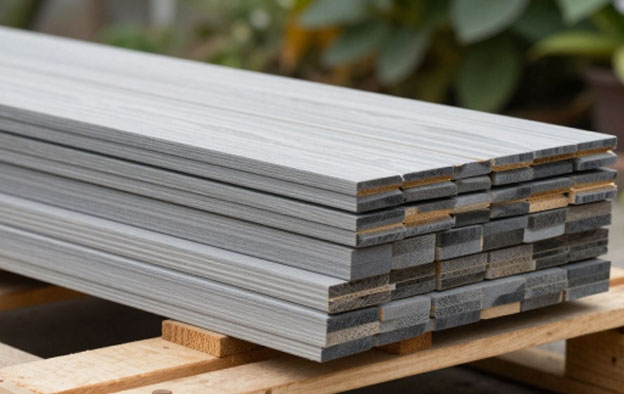
Transitioning to synthetic building supplies requires careful consideration of how these items perform over several years. Many homeowners find that shifting away from traditional lumber brings significant relief from constant seasonal maintenance. Evaluating ecomposite products against traditional alternatives reveals a shift in how homeowners prioritize resilience in their outdoor structures.
Durability and rot resistance compared to wood
Composite boards do not suffer from the same issues as natural timber. They resist moisture absorption, preventing the deep rot often seen in garden fencing or decking after a few wet winters. This inherent stability ensures that the material remains straight and structurally sound without constant chemical treatments or protective stains.
Low-maintenance requirements for busy homeowners
Modern garden structures demand less of a homeowner’s time than past generations required. Because these materials resist fungal growth and insect infestation, the cleaning process is typically limited to a light spray from a garden hose. This simplicity allows residents to spend more time enjoying their space rather than fixing it.
Aesthetic versatility in modern garden design
Designers today utilize these materials to achieve varied looks, from rustic textures to sharp, contemporary lines. The manufacturing process allows for consistent grain patterns that provide a clean, uniform finish across large surface areas. This flexibility ensures that the final look matches the existing architecture of the home.
Exploring the range of ecomposite products
Homeowners now face a wide variety of choices, ranging from simple border edging to advanced structural fencing. The eComposite fencing system is specifically engineered to perform effectively under harsh British weather conditions. This versatility makes these materials a long-term exterior design choice that suits many different types of residential garden layouts.
Assessing your budget and long-term costs
Investing in garden improvements involves weighing the immediate cash outlay against the long-term benefits of the chosen materials. While some synthetic components come with a higher purchase price, the reduction in regular maintenance needs often balances the scales. Analyzing these figures helps homeowners make a choice that fits their financial goals.
Comparison of upfront material investment
Initial costs for composite kits are often higher than basic timber options. Consumers pay for the advanced manufacturing processes that build in long-term resilience and strength. This initial outlay is essentially a down payment on a structure that will not require expensive replacements or frequent chemical upkeep.
Calculating savings on maintenance and repairs over time
Over a ten-year cycle, the costs shift dramatically. Timber needs sealing, painting, and occasional board replacement, while composites maintain their integrity with minimal input. The following breakdown illustrates the cost implications over a decade of ownership.
| Item | Traditional Timber | Composite Materials |
| Initial Purchase | Low | High |
| Yearly Treatment | Required | Not Required |
| Repair Frequency | High | Low |
This data clarifies why many property owners view the switch as a smart financial move. Removing the recurring labor and chemical costs creates a more predictable budget for the home outdoor space.
Determining the long-term value for your property
Quality materials that are built to last often increase the curb appeal and resale value of a residence. Buyers are increasingly interested in homes that feature low-maintenance, high-quality outdoor installations. When a property offers such features, it often stands out in the competitive market.
Factoring in disposal or recycling costs
Disposal planning is an important piece of the project budget. Because these materials are designed for longevity, the rate of replacement is low. When the time eventually comes for a change, homeowners should verify if their local authority offers recycling routes for these synthetic components.
Evaluating regional climate and environmental factors
Garden structures face constant pressure from the local environment, including shifts in temperature and humidity. Understanding how materials react to these variables ensures that your investment remains standing and attractive. Choosing the right product requires a realistic look at the local conditions found in your specific backyard.
Resistance to moisture and wet weather
Heavy rain and constant dampness can be devastating to traditional fences, but composite materials are built to repel water effectively. This resistance prevents the boards from softening or swelling when submerged or exposed to consistent, heavy precipitation. It provides a stable base in regions with high rainfall.
Performance under high-UV sunlight and heat
Sunlight can break down paint and wood fibers, but modern compositions include stabilizers to fight this degradation. The panels maintain their original hue and strength even when exposed to direct, blistering heat for long seasonal periods. This ability to withstand sun exposure is crucial for installations in unshaded garden spots.
Handling structural expansion during temperature fluctuations
All materials have a natural expansion rate, and designers account for this by incorporating a gap in the construction. These panels are engineered to handle the typical range of temperature shifts without cracking or buckling. Proper installation, following the manufacturer’s spacing guidelines, is the key to preventing structural stress.
Suitability for shaded and damp garden zones
Some areas of the garden are prone to moss or algae due to poor drainage and limited sun. While traditional wood becomes a food source for these organisms, synthetic panels offer them no grip. This creates a cleaner, more hygienic surface in those tricky, low-light corners of the property.
Choosing the right style and finish for your space
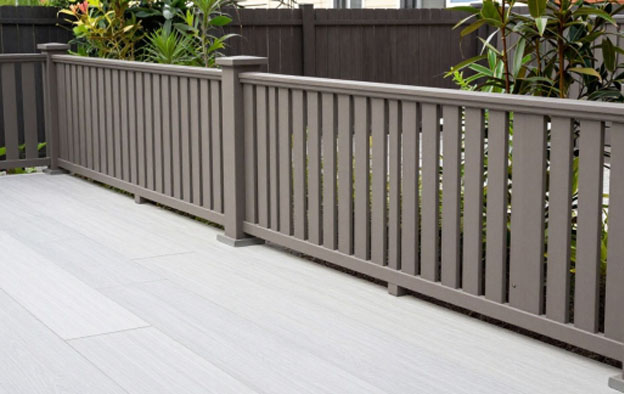
Selecting the right finish involves balancing the personal preference of the owner with the existing look of the home. The visual style should complement the architecture rather than fighting against it. Careful planning during the design phase ensures a cohesive look that feels intentional and well-balanced.
Selecting textures that complement your home architecture
Texture plays a massive role in how a material interacts with light and shadow. Options range from deep, wood-like grains to matte, solid-colored surfaces that look more like stone or painted metal. Matching these textures to the exterior siding of the home creates a seamless visual flow from the indoors out.
Understanding color fastness and fade resistance
Color consistency is one of the most desired traits in these installations. Unlike natural materials that change color as they absorb light, these boards hold their pigment for years. The result is a color that remains vibrant even after several winters of harsh exposure.
Matching modern or traditional profiles to existing features
Whether you are aiming for a classic country look or a sharp, geometric aesthetic, the profile of the board matters. Different shapes can hide joints or emphasize lines, affecting the final shadow appearance of the installed feature. It is wise to look at samples in your specific space before committing to a profile.
Customization options for trims and board edges
Small details like edge caps and trims give the final project a high-end, finished look. These accessories are designed to cover the cut ends of the boards, ensuring they are protected from weather and debris. Utilizing these pieces prevents fraying and keeps the installation looking sharp and tidy.
Installation techniques and project feasibility
Installing these materials requires a shift in approach compared to traditional carpentry tools and methods. Planners must consider the structural requirements of the base before purchasing the boards. Taking a realistic look at your project scope will help determine if an outside expert is necessary.
DIY installation versus hiring professional contractors
Homeowners with decent project experience can manage many installations, but complex structural fencing often requires specific expertise. Professionals bring experience with drainage and leveling that ensures the longevity of the final build. The decision often boils down to time availability and the complexity of the desired design.
Necessary tools required for working with composite boards
Working with these boards usually requires standard power tools, such as circular saws and drills, fitted with specific blade types. You must be careful to avoid using tools that generate excessive heat and melting. Having the right saw blade makes a significant difference in the quality of the finish.
Planning requirements for the sub-structure and drainage
Every great build rests on a solid foundation, which includes adequate drainage for the underlying ground. Without a proper base, water can collect and place unnecessary stress on the posts at the heart of the design. Ensuring the area is level and stable before beginning the main assembly stage is vital.
Best practices for fixing and hidden fastening systems
Many modern kits come with hidden fastening systems that leave a smooth, clean surface free of screws. These fasteners are designed to allow for the natural expansion and contraction of the materials while keeping things securely attached to the posts. Using the manufacturer-recommended hardware is the best practice for a long-lasting, clean result.
Environmental impact and sustainability
Sustainability is a major driver for innovation in this industry. Homeowners increasingly want to know that their garden improvements fit into a broader eco-conscious lifestyle. Evaluating the lifecycle of these materials reveals the true impact of the choice made for a garden project.
Sourcing recycled content in ecomposite products
Many manufacturers incorporate high percentages of recycled wood fiber and plastic into their manufacturing mix. This approach keeps waste out of the industrial cycle and gives a second life to materials that would otherwise sit in landfills. Choosing products with high local recycling content is a clear way to support cleaner manufacturing.
Evaluating the eco-friendliness of manufacturing processes
Beyond the composition, the energy used in the production process matters. Efficient production methods strive to minimize carbon output while maximizing the durability of the final boards. Looking for certifications in your chosen product can help confirm the environmental track record of the maker.
Longevity and how it contributes to reduced garden waste
One of the most important aspects of environmental sustainability is the longevity of the structure itself. A fence or deck that stays in place for a lifetime creates far less waste than a structure requiring frequent replacement. The ForeverFence™ option, by providing a lifetime warranty, exemplifies this commitment to long-term durability and waste reduction.
End-of-life disposal and recyclability of composite materials
When a home eventually undergoes renovation, the end-of-life pathway of the building materials becomes relevant. Many synthetic materials are designed to be broken down and reused in new manufacturing cycles. Residents should consider these standard practices:
- Check with local councils for specialized composite recycling centers.
- Keep excess off-cuts clean for potential small utility projects.
- Ask the supplier if they have a take-back or trade-in program.
- Store removed boards safely to avoid damage before repurposing them.
Focusing on these steps ensures that the garden improvement stays aligned with larger goals for minimizing your personal footprint.
Conclusion
Choosing the right materials for your garden balance aesthetic desire with the practical reality of maintenance and long-term durability. By prioritizing high-strength components and planning for the unique environmental factors of your site, you ensure that your outdoor investment holds its value for years to come. Whether you choose professional installation or a DIY approach, focusing on quality ensures a beautiful space built to stand the test of time.