Determining whether to keep maintaining an older appliance or replace it is a common dilemma for most homeowners. Many factors influence this timeline, making it a nuanced process that requires a balanced look at your specific unit. It is often about identifying cost-effective decisions that align with your long-term goals.
Determining average expected lifespans by appliance type
Appliances are built with varying design lifespans depending on their core mechanical complexity and material quality. While some high-end washing machines and ranges are manufactured to survive well over a dozen years, lesser-grade units often falter before they hit the ten-year mark. Monitoring the typical lifespan of your specific model can provide a realistic baseline for when you should start budgeting for a potential replacement.
When parts become obsolete or discontinued
As manufacturers cycle through new technology, finding replacement components for older models can become a significant challenge. Once a manufacturer hits a certain age threshold for a product line, they often cease production of specific valves, control boards, or seals. Attempting to track down these rare components through aftermarket channels often inflates the repair cost beyond what a new, modern equivalent would expense.
Weighing modern reliability against vintage durability
Older machinery was frequently constructed with heavy-duty mechanical parts that are rarely found in current mass-produced electronic systems. However, modern equipment often brings better internal diagnostics and materials that resist rust or heat degradation more effectively than older metal designs. Choosing between a repair and a replacement often hinges on whether your existing unit possesses that rare combination of sturdy mechanical build and locally available parts.
Assessing the financial viability of repairs
Evaluating the costs associated with getting a device back into working order is necessary before committing funds. If you do not have a clear picture of what the total project will run, you risk falling into a cycle of spending that rarely results in a truly reliable outcome. When you are looking to manage home maintenance effectively, ApplianceForever.ca provides expert assessments to help you decide.
Applying the 50 percent rule for repair costs
A widely recognized standard in home maintenance is the fifty percent rule, which suggests that if a repair cost exceeds half the price of a brand-new model, you are usually better off replacing the unit. Using this rubric provides a clear framework for ignoring the sunk costs you have already invested in an older machine. It forces a focus on future utility rather than past failures.
| Appliance Type | Standard Life Expectancy | Estimated Repair Limit |
| Standard Refrigerator | 10-15 Years | $500 |
| Electric Dryer | 10-13 Years | $300 |
| Conventional Oven | 15-20 Years | $400 |
By comparing these thresholds against quotes from a qualified technician, you prevent emotional attachment from overshadowing logic. If the math clearly points toward a total replacement, you save yourself the inevitable headache of a subsequent breakdown shortly after a costly repair job.
Calculating cumulative repair history versus replacement price
Totaling up your repair history over the last three years can reveal a pattern that a single estimate often masks. If your dishwasher has required three different service calls for different components in 36 months, the probability of another failure is statistically higher. In these instances, the cumulative cost of keeping a stubborn machine alive often surpasses the cost of a new, reliable appliance.
Considering the availability and cost of manufacturer spare parts
Sourcing authentic spare parts is not always a simple task, especially with specialized hardware or models that are past their prime. Shipping delays, discontinued parts, and the high cost of proprietary components can turn a simple fix into a multi-week ordeal. If a part has to be imported at a premium price, replacement becomes the only sensible path forward.
Recognizing signs of an irreversible decline
Recognizing the threshold where an appliance is truly failing is essential for preventing domestic disasters. Some symptoms are merely minor inconveniences, while others suggest profound structural issues that no amount of maintenance will resolve. You need to identify changes that signal the core functionality of the hardware has fundamentally changed.
Detecting recurring functional failures after previous attempts
When a specific problem continues to surface even after a technician has performed a repair, it typically indicates a deeper, more systemic fault. Trying to fix the same issue repeatedly is rarely a good investment of time or money.
- Recurring motor or heating element failure
- Persistent leaks originating from internal cracks
- Unresponsive control panels due to motherboard degradation
- Inability to maintain consistent temperatures
Identifying these consistent failures ensures that you stop pouring capital into a machine that has simply passed its prime functional utility.
Identifying changes in noise, vibration, or performance quality
Audible changes in a motor or sudden, violent vibrations are often the first warnings of bearing failure or structural loosening within the frame. While minor noises can sometimes be corrected by cleaning or leveling, deep, mechanical grinding sounds are usually signs that internal parts are physically eroding. Performance drops, such as clothes coming out damp or food cooking unevenly, are evidence that essential internal sensors or heaters are losing accuracy.
Evaluating safety concerns and critical component failures
Safety is non-negotiable when dealing with high-voltage or gas-powered appliances in your home. Signs like burnt wiring smells, sparks from the control panel, or gas odors are major red flags that indicate a critical component has been severely compromised. Never attempt a DIY fix for these issues, as they pose real risks to the integrity of your home.
Factoring in innovation and energy efficiency
Upgrading your home hardware provides opportunities to take advantage of modern technological advancements that simply did not exist years ago. Beyond mere convenience, these efficiency improvements can radically alter your monthly utility bills. Being mindful of these shifts allows you to make a more informed choice about when to move on to a newer unit.
Comparing energy consumption ratings of older versus new models
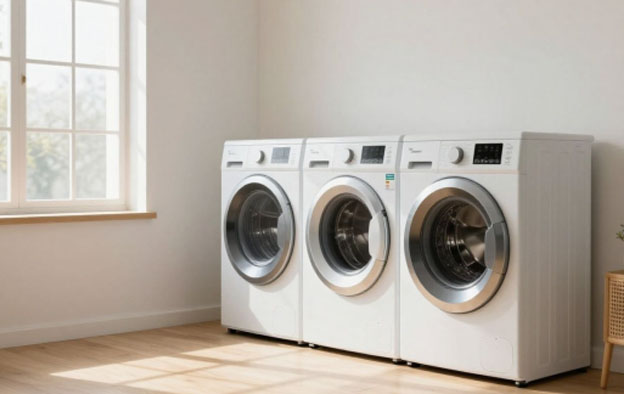
Energy standards have evolved dramatically to require more rigorous efficiency across nearly every category of home technology. Today’s high-performance units consume significantly less power to perform tasks that once drained massive amounts of electricity in older designs. You can usually find the updated efficiency metrics on the Energy Star tags of newer units to compare directly against your current machine.
The impact of modern smart features on daily utility
Smart technology integrates connectivity and automation into appliances, allowing for remote monitoring and scheduling updates that were previously impossible. ApplianceForever offers installation and configuration services for smart thermostats, ensuring your household climate controls function with optimal energy awareness. These features provide a layer of convenience that adds tangible value to a new purchase over repairing an obsolete base model.
Calculating long-term savings through energy-star standards
Investing in hardware that carries official efficiency ratings can lead to substantial reductions in monthly operational expenses over the course of several years. When you factor in these saved energy costs, the actual price tag of a new appliance is effectively offset by the reduction in utility waste. It turns a large, one-time expenditure into a strategic move for your household budget.
Evaluating environmental impact and sustainability
Making sustainable choices means looking at the life cycle of your hardware from start to finish. Proper maintenance can stretch the life of your unit, but there is a tipping point where the resources required to keep an old machine running exceed the footprint of manufacturing a new, efficient model.
Reducing landfill waste through professional maintenance
Keeping your appliances in good working order for as long as possible is the simplest way to reduce personal waste. Regular maintenance helps you catch minor issues before they lead to permanent damage, effectively extending the time before a machine must be retired. When you finally choose to replace a unit, consider companies that handle ethical recycling for your old parts.
Analyzing the carbon footprint of manufacturing versus repairing
Manufacturing a new piece of hardware requires a significant amount of mineral extraction, transport, and assembly, which generates its own environmental footprint. Repairs are often less ecologically demanding than replacement cycles, meaning that a well-maintained older machine can sometimes be the more sustainable choice. You should balance this logic against the energy efficiency gains found in the most recent models.
Assessing the lifespan of materials in newer hardware
As manufacturers move toward using more eco-friendly, recyclable materials, the long-term sustainability of new appliances has likely improved. Investing in durable hardware that uses sustainable plastics and metals means your future recycling efforts will be far more effective. This is an important angle to consider if you prioritize a reduced environmental impact for your home equipment over the long term.
Leveraging professional diagnostic services
An expert opinion is critical when you find the decision between repair and replacement becoming increasingly complex. Professional service providers bring the necessary tools and technical oversight to see the state of your machine without bias. By relying on their experience, you can avoid common pitfalls and ensure that your money is spent wisely.
How ApplianceForever.ca facilitates informed decision-making
ApplianceForever provides a structured approach, helping customers evaluate the condition of their equipment before and after an initial assessment. They offer clear, actionable data regarding the state of your machine, allowing you to move forward with full confidence in your decision. Their approach ensures you only repair when it is actually beneficial to the longevity of your hardware.
Benefits of expert assessments over DIY troubleshooting
While finding fix-it videos online can be helpful, the reality is that DIY attempts often lead to accidental damage or misidentified issues. Experts possess the specific diagnostic tools needed to measure electrical draw, detect internal leaks, or confirm mechanical failure with precision. A professional assessment protects you from the recurring costs that arise when a problem is incorrectly diagnosed or improperly patched.
Obtaining transparent quotes to avoid unnecessary expenditures
Working with a professional company provides the transparency required to avoid hidden costs or upsells. You get clear, upfront pricing on all labor and parts, ensuring you have the full picture before any work begins on your home appliance. Engaging with experts like ApplianceForever removes the guesswork from the process, helping you avoid unnecessary expenditures on machines that are truly past the point of repair.
Conclusion
Deciding when to repair or replace your appliance involves a careful assessment of mechanical age, potential repair costs, and long-term energy savings. By evaluating these factors with professional guidance, you can make the most financially sound choice for your home, ensuring your household remains efficient and fully operational for years to come.