From travel fatigue to demanding workweeks and heavy workouts, many people look for faster ways to feel recharged. Intravenous (IV) hydration fluids delivered directly into the bloodstream has become a popular option. But before you book an appointment, it helps to understand how IV hydration works, what it can and cannot do, and how to evaluate whether it’s appropriate for your situation. This overview explains the basics in plain language, offers safety questions to discuss with a qualified professional, and outlines what a typical visit looks like so you can make a confident, informed decision.
How IV Hydration Works
IV hydration delivers fluids and dissolved nutrients through a small catheter inserted into a vein, typically in the arm or hand. Because the solution bypasses the digestive system, your body can access fluid and electrolytes more directly than with oral intake. This can be useful when quick rehydration is a goal, or when someone has trouble keeping fluids down due to nausea. Some providers also offer optional add-ins such as electrolytes, certain vitamins, or minerals based on your health history and goals. If you’re exploring local options, you might search for services like iv hydration therapy vienna to compare approaches and availability in your area.
It’s important to recognize that IV hydration isn’t a cure-all, and it isn’t necessary for everyday thirst. For most healthy adults, drinking water and consuming a balanced diet provides reliable hydration. IV fluids are a tool that may help in specific circumstances ideally under the guidance of a licensed professional who can review your medical history and tailor the treatment to your needs.
When IV Fluids Make Sense and When They Don’t
Situations where IV hydration may be considered include recovery after endurance events, support during travel-related dehydration, or replenishment after brief gastrointestinal illness when oral intake is limited. Some people also use IV fluids before or after long work shifts or major life events when staying on top of water intake is tough. In clinical settings, IV therapy is used for more serious dehydration and for people who need medications or nutrients administered intravenously. Outside of medical necessity, the decision is more nuanced: weigh your symptoms, your overall health, and whether oral hydration could reasonably meet your needs.
There are times when IV hydration might not be the right fit. If you have chronic conditions such as kidney disease, heart failure, or certain electrolyte imbalances, extra fluids can pose risks. Active infections at the insertion site, certain allergies, pregnancy-related considerations, or use of specific medications may also change the equation. In these cases, it’s essential to discuss the plan with a qualified clinician who can review your history and determine whether IV therapy is appropriate or suggest safer alternatives.
Safety Questions to Ask Before You Go
Provider qualifications and protocols matter. Before scheduling, ask who will perform the cannulation (vein access) and monitor you throughout the session. Many states require licensed healthcare professionals such as registered nurses, nurse practitioners, or physicians to insert IV lines and oversee care. It’s reasonable to request details about credentials and experience, particularly if you have small or difficult veins.
Discuss screening and customization. A careful intake should cover your medical history, current medications, allergies, and recent lab results if relevant. Ask what’s in the bag: the exact fluids, electrolytes, and any vitamins or medications, along with their dosages and potential side effects. Also confirm sterile technique, single-use supplies, and how the team handles rare complications like infiltration (fluid leaking into surrounding tissue) or vasovagal reactions (lightheadedness or fainting).
What to Expect During an Appointment
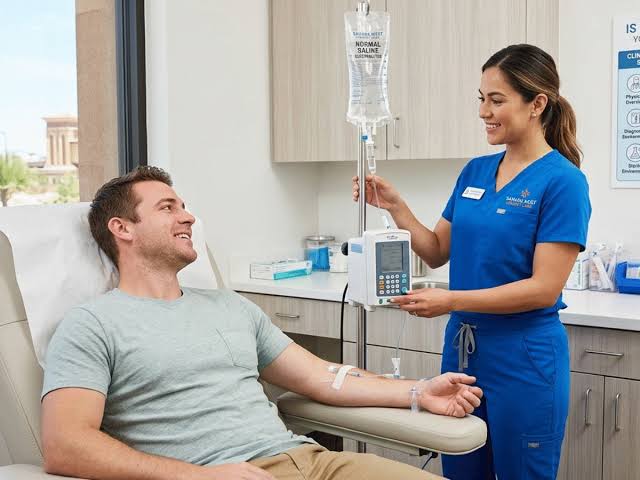
Plan for a brief health review first. You’ll typically complete an intake form and speak with a clinician who will confirm your goals and determine an appropriate formula. They’ll check your vital signs and identify a suitable vein. After cleaning the area, a small catheter is inserted; most people describe it as a quick pinch. The fluid drip rate is set and may be adjusted to your comfort; typical sessions last anywhere from 30 to 60 minutes, depending on the volume and add-ins.
During the infusion, you should be comfortably seated and monitored. Mild, temporary sensations like feeling cool as the fluids flow are common. Alert your provider immediately if you notice increasing pain at the insertion site, swelling, dizziness, chest discomfort, or shortness of breath. When the infusion ends, the catheter is removed, the site is bandaged, and you may be observed briefly to ensure you feel steady before leaving. You’ll also receive guidance on what to do if you notice bruising, redness, or tenderness later.
Aftercare: Feeling Your Best Post-Infusion
Expect to leave the bandage in place for a few hours and avoid heavy lifting with that arm the rest of the day. Keep drinking water; IV fluids do not replace your ongoing hydration needs. If your provider included vitamins or minerals, ask how they fit into your broader nutrition plan supplements should complement, not replace, a balanced diet. Light movement, like a short walk, can promote circulation, but postpone strenuous workouts if the insertion site feels sore.
Most people can resume normal activities soon after an IV infusion. As with any wellness service, track how you feel over the next day or two and share feedback at future visits. If you experience unusual symptoms such as worsening pain, spreading redness, fever, or persistent swelling contact a healthcare professional promptly. Long term, the basics still matter most: regular water intake, adequate sleep, balanced meals with electrolytes from food, and activity levels that match your recovery routine.