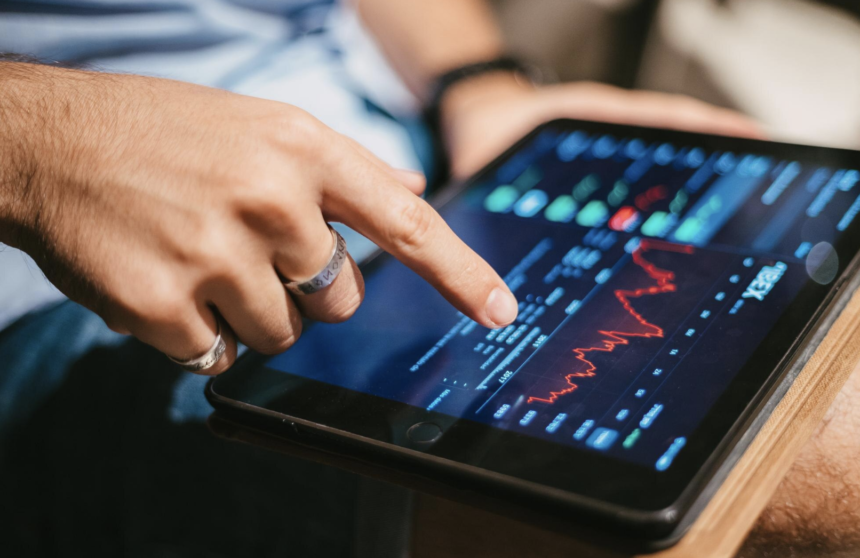
Forex trading gives individuals the opportunity to participate in the global currency market, where currencies are exchanged around the clock during the trading week. With online brokers and mobile trading platforms making market access easier, choosing the right trading provider has become an important part of the process.
For anyone comparing online brokers, reading independent capital.com reviews can be useful when researching the platform. Reviews can highlight areas such as trading features, available markets, platform design, fees, and educational resources. However, traders should combine reviews with their own research and verify important details through official sources before opening an account.
Understanding Forex Trading
Forex, also known as foreign exchange, involves trading one currency against another. Instead of buying a single currency in isolation, traders normally work with currency pairs such as EUR/USD, GBP/USD, or USD/JPY.
The first currency in a pair is known as the base currency, while the second is the quote currency. When a trader buys a currency pair, they are effectively expecting the base currency to strengthen relative to the quote currency. A trade can lose money when the market moves in the opposite direction.
Many factors influence currency prices, including interest rates, inflation, employment figures, economic growth, political developments, and central-bank policies. This makes forex an active market that requires careful analysis and preparation.
Why Broker Research Is Important
A forex broker provides the technology and infrastructure traders use to access the market. While platforms may appear similar at first glance, important differences can exist in pricing, account conditions, available markets, and trading tools.
This is why researching a broker before depositing money is essential. Traders should examine regulatory information, understand the legal entity providing the service in their region, and review the terms that apply to their account.
Online reviews can help organize this research. However, readers should pay attention to whether a review contains factual information, personal opinions, or promotional claims.
Looking at Capital.com
Capital.com is an online trading platform that provides access to financial markets. When assessing the service, prospective traders may want to look at the range of instruments offered, platform functionality, fees, educational materials, and account requirements.
Reading several capital.com reviews can help traders identify common themes in users’ experiences and understand which features receive attention from different reviewers. However, reviews should not be treated as a substitute for checking current information directly from the provider.
Trading conditions and available services can vary according to jurisdiction, account type, and regulatory entity. Therefore, traders should confirm the conditions that apply to their particular location before making a decision.
Evaluating Trading Costs
Cost is one of the most important considerations when selecting a forex broker. Trading expenses can include spreads, commissions, overnight financing charges, and other account-related fees.
The spread is the difference between the bid and ask price of a financial instrument. For traders who place numerous transactions, even relatively small differences in spreads can affect overall trading costs.
Overnight financing can also become important for traders who keep positions open beyond the daily trading period. Depending on the position and market, these charges may increase the cost of holding a trade.
Rather than focusing on a single advertised price, traders should examine the broker’s complete pricing structure and consider how it fits their strategy.
Considering the Trading Platform
A trading platform should make it easy to analyze markets, place orders, monitor positions, and manage an account. The design and functionality of a platform can have a major impact on the overall trading experience.
Charting tools are particularly important for traders who use technical analysis. Multiple timeframes, indicators, drawing tools, and customizable charts can help users study price movements more effectively.
Mobile access may also be useful. A well-designed mobile application allows traders to monitor markets and manage positions when they are away from their computers. However, convenience should not encourage unnecessary or emotional trading.
Checking Available Markets
Every trader has different market preferences. Some focus primarily on major currency pairs, while others may be interested in commodities, indices, stocks, or other financial instruments.
When evaluating a broker, traders should check exactly which instruments are available in their country and under which account conditions. The number of markets offered is less important than whether the platform provides access to the instruments a trader actually wants to use.
Availability can also change depending on regulations and the region where the account is registered.
Regulation and Account Security
Regulation deserves close attention when comparing online brokers. A broker may operate through different legal entities in different countries, and each entity can be subject to different rules.
Traders should identify the regulated company that will provide services to them and review the protections that apply to their account.
Account security is another consideration. Strong authentication procedures, secure login systems, and appropriate protection of personal information can help reduce the risk of unauthorized access.
No online platform can completely eliminate security or financial risks, but responsible traders should still take reasonable precautions when managing their accounts.
Educational Resources for New Traders
Forex beginners often need more than a trading platform. Educational resources can help users understand market terminology, analysis methods, order types, and risk-management principles.
Useful resources may include tutorials, guides, webinars, market commentary, and economic calendars. These materials can help new traders build a foundation before they begin risking real money.
However, education should not be confused with guaranteed investment advice. Even experienced analysts cannot predict every currency movement, and market conditions can change quickly.
The Importance of a Demo Account
A demo account allows traders to practice without putting their own funds at immediate risk. It can be useful for learning how a trading platform works and testing basic strategies.
Beginners can practice opening and closing trades, using stop-loss orders, reading charts, and managing positions. A demo environment can also help users decide whether a platform’s interface feels comfortable.
Nevertheless, demo trading is not identical to live trading. The psychological impact of real gains and losses can influence decision-making in ways that simulated trading does not fully reproduce.
Understanding Leverage
Leverage is another major issue to consider before trading forex. It allows traders to control a position larger than their deposited capital.
Although leverage can increase the potential return on a successful trade, it can also magnify losses. This means traders can lose money quickly if the market moves against them.
Anyone considering leveraged trading should understand margin requirements and use an appropriate risk-management strategy. Position sizing and stop-loss orders can help traders limit exposure, although they cannot guarantee that losses will be avoided.
How to Use Broker Reviews Effectively
Reviews are most useful when they are treated as one part of a broader research process. Instead of relying on a single article, traders can compare several independent sources and look for consistent information.
Pay attention to the publication date as well. Trading platforms, fees, regulations, and available features can change over time, making older reviews less representative of current conditions.
It is also useful to separate objective information from personal preferences. One reviewer may prefer a simple interface, while another may prioritize advanced analytical tools. Neither perspective is necessarily universal.
Final Thoughts
Forex trading can provide access to a highly active global financial market, but choosing a broker requires careful consideration. Regulation, costs, trading tools, available markets, platform quality, educational resources, and risk-management features should all be examined before opening an account.
Capital.com reviews can provide useful perspectives during the research process, particularly when comparing the platform’s features and overall trading experience. However, traders should verify important information through official sources and consider whether the service is appropriate for their individual circumstances.
Ultimately, selecting a broker is only one part of becoming a responsible forex trader. A sound understanding of the market, realistic expectations, disciplined decision-making, and effective risk management are equally important. Forex trading involves significant risk, so traders should only commit capital they can afford to lose and take the time to understand the conditions of any platform they choose.