Colorado is the kind of destination that can turn a simple vacation into several completely different experiences. One day might involve exploring a lively city neighborhood, while the next takes you onto a mountain trail surrounded by dramatic scenery. Add scenic drives, historic communities, outdoor recreation, cultural attractions, and distinctive entertainment venues, and there is plenty to fill an itinerary. The key is resisting the temptation to rush through everything. Colorado rewards travelers who leave room to experience its landscapes as well as its communities. Whether you prefer concerts, hiking, road trips, history, or relaxed sightseeing, thoughtful planning can help you discover just how varied the state really is.
Experience Colorado’s Famous Red Rocks
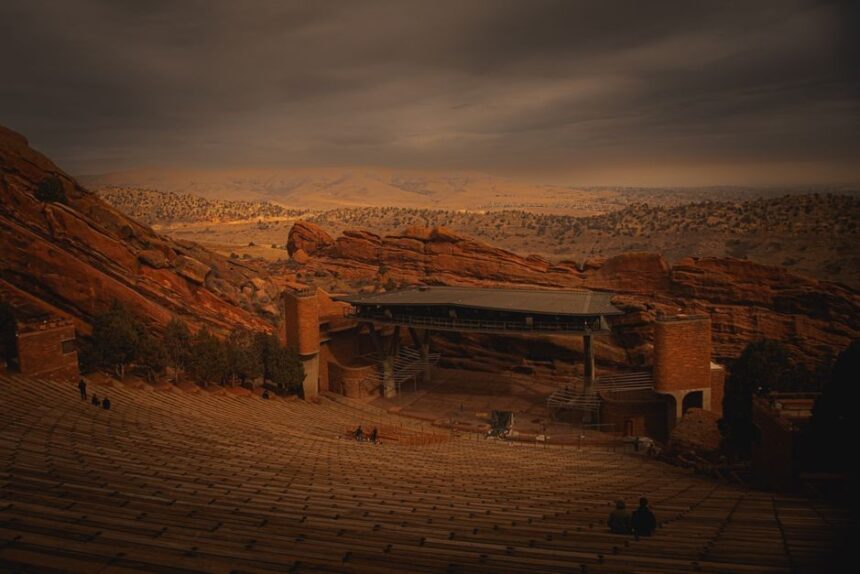
Colorado’s landscape sometimes becomes part of the entertainment itself, and Red Rocks Amphitheatre near Morrison is perhaps the clearest example. The open-air venue sits among enormous sandstone formations, creating a setting that feels dramatically different from a conventional indoor arena. Its two prominent monoliths, Ship Rock and Creation Rock, rise roughly 300 feet and contribute to the venue’s distinctive atmosphere.
For travelers hoping to include a live performance in their Colorado itinerary, checking Red Rocks Amphitheatre event tickets before finalizing other plans can help establish which evening to reserve for the experience. The venue hosts a varied schedule of concerts and other events, making it worth considering early when organizing a trip.
Red Rocks is also worth exploring beyond performances. The surrounding park offers trails, while the Visitor Center includes exhibits related to the amphitheatre and its history.
Give Denver More Than a Quick Stop
Denver can easily serve as the beginning of a wider Colorado adventure, but treating the city purely as a gateway means missing much of its appeal.
Give yourself time to explore different neighborhoods, cultural attractions, public spaces, museums, local shops, and the city’s entertainment scene. Denver provides a useful contrast to the mountain environments many visitors associate most strongly with Colorado.
The city can also help you ease into the state’s elevation before heading toward higher destinations. Instead of landing and immediately filling the day with strenuous outdoor activities, consider beginning with relaxed sightseeing.
Build some flexibility into your Denver schedule. A morning at a museum can be followed by an afternoon exploring on foot, while an evening can be reserved for entertainment.
That slower pace prevents the beginning of your vacation from becoming a competition to see how many attractions you can photograph before dinner.
Make Time for Mountain Towns
Colorado’s mountain communities offer a completely different atmosphere from its larger cities.
Depending on your route, you may encounter historic downtown areas, scenic streets, independent businesses, trail access, and landscapes that make even an ordinary coffee break feel like part of the vacation.
Avoid thinking of mountain towns merely as stopping points between bigger attractions. Spending several hours—or even a night—in one location allows you to experience the area without constantly watching the clock.
Season matters when planning these visits. A destination known for skiing during winter may offer hiking, cycling, festivals, and sightseeing during warmer months.
Mountain weather can also change quickly, so bring appropriate layers even when conditions appear comfortable at the beginning of the day.
Most importantly, avoid cramming too many towns into one itinerary. Experiencing three places properly is usually more rewarding than hurriedly passing through seven.
Turn the Drive Into an Attraction
Driving through Colorado can be part of the experience rather than simply transportation between destinations.
Mountain roads can reveal forests, valleys, dramatic rock formations, open landscapes, and distant peaks. Leave enough time to stop at designated viewpoints instead of scheduling every driving day according to the fastest possible arrival time.
Check road and weather conditions before longer journeys, particularly when traveling through higher elevations or during seasons when snow and ice are possible.
Fuel planning also becomes more important once you leave densely populated areas. Do not automatically assume the next service station will appear precisely when your fuel gauge becomes emotionally concerning.
If you are not accustomed to mountain driving, take your time. Steep grades and winding roads require greater attention than straightforward highway travel.
A relaxed schedule makes scenic driving safer and far more enjoyable.
Explore Colorado on Foot
Hiking is one of the simplest ways to experience Colorado’s natural character.
You do not need to tackle an enormous summit to enjoy it. Trails range from easy walks to demanding backcountry routes, allowing travelers to choose outings appropriate for their fitness, experience, and available time.
Start conservatively if you are unfamiliar with higher elevations. A distance that feels easy at home may require noticeably more effort at altitude.
Carry water, wear suitable footwear, check conditions, and understand the route before setting out. Weather can shift during a hike, particularly in mountain environments.
Even Red Rocks can add a relatively accessible outdoor component to a trip. The park contains hiking opportunities alongside the amphitheatre, and it is open for free self-guided visits during public-access hours.
The goal is not necessarily covering maximum distance. Sometimes the best hike is the one that leaves enough energy to enjoy the view.
Appreciate the State’s Changing Seasons
Colorado does not offer one single travel experience throughout the year.
Summer creates opportunities for hiking, scenic drives, outdoor events, and extended daylight adventures. Autumn can transform mountain landscapes with seasonal color, while winter attracts travelers interested in snow-based recreation.
Spring brings its own appeal but can create variable conditions depending on elevation.
Your packing list should reflect both season and location. Conditions in Denver can differ considerably from those at higher elevations on the same day, making layers especially useful.
Seasonality can influence attraction schedules and road access as well. Check important stops before departure rather than assuming everything operates identically year-round.
This variation is one reason repeat visits can feel so different. A summer road trip and a winter mountain vacation may occur in the same state while barely resembling each other.
Colorado effectively changes personality with the calendar.
Balance Outdoor Adventures With Cultural Experiences
The mountains deserve their reputation, but Colorado travel does not need to revolve exclusively around outdoor recreation.
Museums, historic sites, galleries, live performances, architectural landmarks, and community events can add variety to an itinerary. Cultural stops are especially useful after several physically demanding days outdoors.
Music deserves particular attention because memorable venues can connect entertainment directly with the landscape. Red Rocks demonstrates that relationship especially well, combining natural geology with a major performance space.
Its Visitor Center also includes the Red Rocks Hall of Fame and exhibits connected to the venue and park.
Alternating activities can make a longer trip more enjoyable. Follow a hiking day with museums or sightseeing. Pair a scenic drive with an evening performance.
Travel does not have to choose between nature and culture. Colorado provides plenty of opportunities to experience both.
Leave Enough Space for Unexpected Discoveries
An itinerary should guide a Colorado trip without controlling every minute of it.
Leave open periods for viewpoints you did not know existed, towns that deserve longer stops, unexpected weather changes, or recommendations you receive after arriving.
This flexibility is particularly valuable around outdoor attractions. At Red Rocks, for example, public access changes on event days, with the amphitheatre generally closing to daytime visitors around the afternoon as preparations begin.
Planning some breathing room prevents changes like these from disrupting an entire day.
Colorado is best explored with a combination of preparation and curiosity. Reserve important experiences in advance, research driving conditions, understand seasonal limitations, and then leave enough freedom to improvise.
From city streets and legendary performance spaces to mountain trails and scenic highways, the state offers experiences that appeal to very different travelers. You do not need to see everything during one visit. Choose a manageable mix of places and activities, slow down enough to appreciate them, and allow Colorado’s landscapes and communities to provide some surprises of their own.