Cold weather does not arrive politely. It shows up in a stretch of days that feel manageable, then drops twenty degrees overnight and stays there. A house that was comfortable in October can turn drafty, expensive, and occasionally damaged by January, and almost none of that is because the weather was unusual. It is because the work that should have happened in the fall did not.
Deciding Whether Your Heating Setup Can Take Another Season
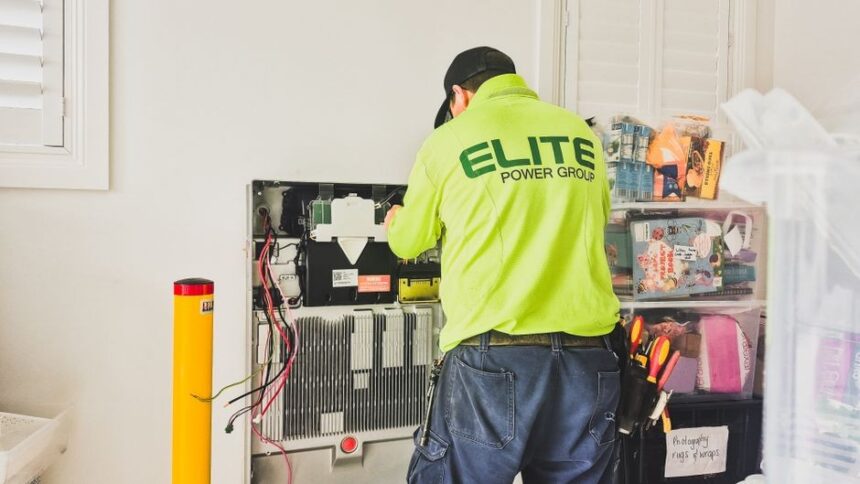
Winter preparation covers a lot of small jobs, but one of them cannot be improvised at the last minute. Furnace installation becomes necessary the moment an aging unit stops holding up, and the warning signs show early: longer cycles, uneven temperature from room to room, and operating costs that climb season over season. Delaying furnace installation until the old system quits outright means a total failure during a cold snap, when every company in the region is booked solid, and a house can drop below freezing internally while pipes become the next problem. The best way to handle a situation like this is to contact experienced furnace installation experts to size and fit the right unit for your home. A good company performs a proper load calculation rather than matching whatever was there before.
Sealing the Places Heat Escapes
Warm air leaves a house through gaps, and there are more of them than most people expect. Run your hand around window frames, exterior door edges, attic hatches, and the spots where cables and pipes pass through exterior walls. On a windy day, the drafts are obvious. On a still day, a lit stick of incense held near the frame will show movement in the smoke.
Weatherstripping around doors is inexpensive and takes an afternoon. Door sweeps close the gap along the bottom, which is often the largest single opening in the house. Rope caulk or a clear film kit handles older windows that would be expensive to replace. Outlets and switches on exterior walls leak more than people realize, and foam gaskets behind the cover plates cost almost nothing.
Attic insulation deserves a look while you are up there. If the insulation sits level with or below the floor joists, there is not enough of it, and heat is escaping straight up through the ceiling of every room below.
Protecting the Water Lines
Frozen pipes cause more winter damage than any other single failure, and they are almost entirely preventable. Any line running through a garage, crawl space, unheated basement, or exterior wall is at risk. Foam sleeves cost a few dollars per section and slide on in minutes.
Outdoor spigots need attention before the first hard freeze. Disconnect and store every hose, then shut the interior valve feeding that spigot and open the outside tap to drain the remaining water. A hose left attached traps water in the line and splits the pipe behind the wall.
During an extreme cold stretch, letting a faucet on the coldest exterior wall run at a slow drip keeps water moving and lowers the freezing risk considerably. Opening the cabinet doors beneath kitchen and bathroom sinks on exterior walls lets room heat reach the pipes behind them. If you are leaving for a stretch, do not shut the heat off entirely. Holding the house around fifty-five degrees costs far less than repairing a burst line and the floor beneath it.
Clearing the Roof and Drainage
Gutters full of leaves cannot move melting snow away from the house, and the water backs up under the shingles at the eaves. That is how ice dams form, and they push water into the attic and down through ceilings. Clean the gutters after the leaves finish falling, not before, and verify that downspouts carry water several feet away from the foundation.
Walk the perimeter and look up at the roofline. Missing or lifted shingles, damaged flashing around chimneys and vents, and sagging gutter sections all become much harder to address once there is snow and ice on the roof. Trim back branches hanging over the house, since ice loading brings limbs down that would hold fine in any other season.
Check the grading around the foundation while the ground is still workable. Soil should slope away from the house so that melt water runs off rather than pooling against the wall.
Getting the Small Details Right
Reverse the ceiling fans to clockwise on the low setting. That pulls air upward and pushes the warm air pooled at the ceiling back down along the walls, which makes a real difference in rooms with high ceilings.
Replace the filter in your air handler and keep replacing it monthly through the season. A clogged filter restricts airflow, forces longer run times, and shortens equipment life. Walk the house and confirm that supply and return vents are not blocked by furniture, rugs, or boxes, because a closed-off return starves the whole system.
Test every smoke and carbon monoxide detector and replace the batteries. Carbon monoxide risk climbs in winter when combustion appliances run constantly, and houses are sealed tight, and a detector is the only way to know.
Preparing for the Days Power Goes Out
Winter storms take down lines, and a house without electricity in freezing weather becomes uncomfortable fast. Keep flashlights and batteries somewhere you can find in the dark, along with blankets, bottled water, and food that requires no cooking.
If you have a generator, run it before you need it and confirm you have fuel stored safely. Never operate one in a garage, basement, or anywhere close to a window or door, regardless of how cold it is outside.
Know how to shut off the water main by hand in case a line fails while power is out. Charge phones and battery packs when a storm is forecast, and keep a printed list of numbers, because the ones you need are stored in a device that will eventually die.
A house handles winter about as well as its owner prepared for it. The work is unremarkable; most of it fits into two or three weekends, and it is the difference between a season that passes quietly and one spent making phone calls.