Living near the water brings sunsets, sea breezes, and a pace of life that many people spend years hoping to find. Owning a home in Marco Island offers all of that, along with a set of upkeep demands that inland homeowners rarely face.
Salt in the air, frequent summer storms, high humidity, and sandy ground all take their toll on a property over time. Knowing what to expect makes it far easier to protect your home and enjoy the view without constant worry.
Keeping Water Away From Your Home
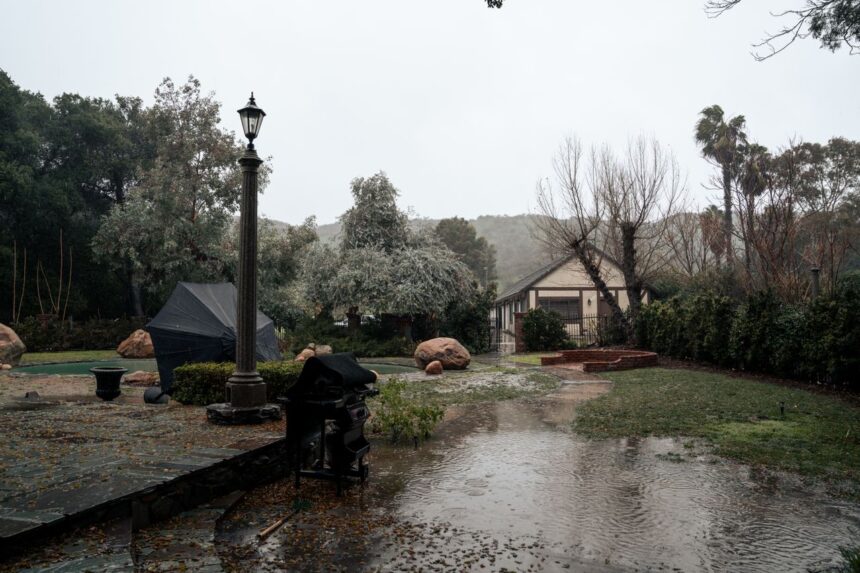
Heavy rain is part of daily life on the coast, especially during the summer months when afternoon storms roll in with little warning. When the ground around a house cannot clear that water quickly, drainage problems show up as soggy lawns, muddy patches, and puddles that sit near the foundation for days.
The answer is a properly designed system that carries rainwater safely away from the home and the landscaping. For lasting protection, many homeowners hire a drainage company in Marco Island that installs French drains, channel drains, downspout systems, and sump pumps built around the layout of their property. With the right setup in place, your yard stays usable after a storm, and your foundation stays protected year after year.
Salt Air and the Slow Damage It Causes
The breeze that makes coastal living so pleasant also carries fine particles of salt. Over time, this salt settles on metal railings, outdoor light fixtures, door hardware, air conditioning units, and even the frames of windows. It speeds up rust and wears down finishes much faster than in areas farther from the water.
Rinsing exterior surfaces with fresh water every few weeks helps remove salt buildup before it does lasting harm. Choosing stainless steel or coated hardware when replacing fixtures is another sensible step. Outdoor equipment such as cooling units benefits from regular cleaning, since salt can clog parts and shorten their working life.
Humidity and the Fight Against Mold
Warm, damp air is a constant presence near the coast. Indoors, high humidity can lead to musty smells, peeling paint, warped wood, and mold growth in closets, bathrooms, and other spaces with little airflow.
Running air conditioning consistently, using exhaust fans in bathrooms and kitchens, and keeping closet doors open from time to time all help keep moisture levels in check. A dehumidifier can make a real difference in rooms that stay damp. Checking under sinks and around windows for signs of moisture allows small issues to be caught before they grow into costly repairs.
Preparing for Storm Season
Hurricane season is a reality every coastal homeowner learns to plan around. Preparation is far less stressful when it starts well before a storm appears on the forecast.
Trimming trees and removing dead branches reduces the chance of limbs falling on the roof or through windows. Securing outdoor furniture, grills, and decorations keeps them from becoming hazards in high winds. Many homeowners keep a simple checklist that covers shutters, emergency supplies, important documents, and a plan for where to go if an evacuation order is issued. After a storm passes, walking the property to look for roof damage, loose siding, and fallen debris helps you address problems quickly.
Protecting the Roof From Sun and Wind
A coastal roof faces strong sunlight for most of the year, followed by bursts of wind and rain during storms. Shingles can loosen, tiles can crack, and flashing can pull away from the edges, creating openings where moisture slips inside.
Scheduling a roof inspection once a year, and again after any major storm, is one of the most practical habits a homeowner can build. Small repairs made early cost far less than the interior damage caused by a slow, unnoticed leak. Keeping the attic well ventilated also helps reduce heat buildup and moisture that can weaken the structure from below.
Caring for Lawns and Landscaping in Sandy Ground
Coastal soil tends to be sandy, which affects how plants grow and how the ground holds moisture. Grass and shrubs may struggle in some spots while other areas stay wet after heavy rain.
Choosing plants that handle salt spray, heat, and sandy conditions makes landscaping far easier to maintain. Native plants are often the best fit, since they are naturally suited to the local climate and usually need less care. Adding mulch around beds helps hold moisture during dry spells and protects roots from the heat. Watching how the ground behaves after a storm also shows you which parts of the yard may need attention.
Watching for Pests Drawn to Warm, Damp Conditions
The same warmth and moisture that make coastal areas lush also attract insects. Termites, ants, and mosquitoes thrive in these conditions and can become a steady nuisance for homeowners.
Sealing gaps around doors, windows, and pipes keeps many pests from getting inside. Clearing away standing water in planters, birdbaths, and toys reduces places where mosquitoes breed. Keeping firewood and mulch a short distance from the house also lowers the risk of termites finding a path to the wooden parts of the structure.
Building a Routine That Protects Your Investment
Coastal maintenance becomes manageable when it follows a regular rhythm rather than a last-minute rush. Breaking tasks into monthly, seasonal, and yearly lists helps homeowners stay ahead of wear without feeling overwhelmed.
Monthly tasks might include rinsing salt from exterior surfaces and checking for signs of moisture indoors. Seasonal tasks can cover storm preparation, landscaping updates, and pest prevention. Yearly tasks often include roof inspections, servicing cooling equipment, and reviewing insurance coverage. Keeping a simple record of what was done and when makes it easier to spot patterns and plan for future upkeep. With steady attention, a coastal home can remain comfortable, safe, and valuable for many years, giving you more time to enjoy the view that drew you there in the first place.