Septic systems quietly manage all the wastewater your home produces, so small changes often signal a problem long before a messy backup. In Loganville, heavy rain can saturate soils, while hot, dry stretches concentrate indoor use. Both conditions stress a septic tank and drainfield differently. This guide focuses on practical, at-home checks that help homeowners spot early warning signs, understand what they usually mean, and decide whether to schedule routine service or call for urgent help. You will learn what interior plumbing symptoms matter, what your yard reveals after storms, which simple visual checks are safe, and which everyday habits shorten pumping intervals. None of these steps replace professional work, but they can help you act before a minor issue becomes a full-blown failure.
-
Plumbing Clues Inside the House That Point to Septic Trouble
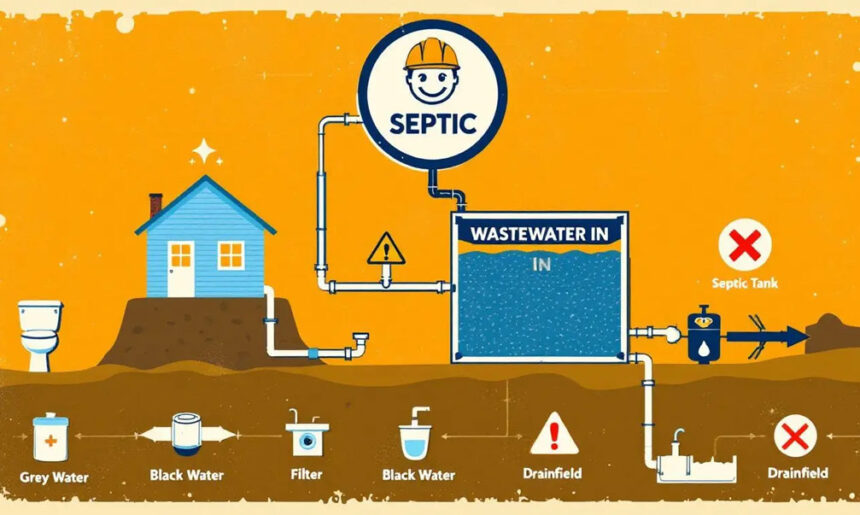
When several fixtures start misbehaving together, your septic system is often the common denominator. Gurgling toilets after a shower, slow drains in both the kitchen sink and tub, or a floor drain that seeps after the washing machine cycles all hint at restricted flow past the tank’s outlet tee or a saturated drainfield. A rotten-egg odor from a vanity or laundry sink can mean wastewater is backing up into the house instead of moving freely through the outlet baffle and into the distribution box. If you need a quick refresher on how the tank, baffles, effluent filter, and drainfield connect, resources such as environmental-septic.com explain system components and terminology without turning your home into a science project.
Pay attention to timing. If fixtures gurgle during high-use periods, like back-to-back showers, the system may be experiencing temporary hydraulic overload. If the gurgling and slow draining persist even when only a sink is running, solids buildup may be reducing capacity, or the effluent filter could be clogged. A toilet that burps when the dishwasher drains suggests air is being displaced in the line by wastewater that cannot exit the tank quickly through the outlet baffle. All are early signals to act before wastewater finds the lowest exit: a tub, floor drain, or seams around a toilet flange.
-
What Your Drainfield Reveals After Heavy Rain
After a stormy week, walk the yard where your laterals run and, if you know where it is, check the distribution box. Standing water that smells like sewage, unusually spongy turf over the trenches, or a vivid green stripe only along the laterals suggest the soil is saturated and cannot absorb effluent. Directing roof downspouts, sump discharge, or irrigation over the drainfield is a common mistake that keeps soils wet, blocks oxygen exchange, and fosters biomat growth that further slows percolation. If you hosted a large gathering and then saw puddling over the leach field, you likely combined high indoor flows with saturated ground. Cut outdoor water to the field, stagger laundry, and let soils rest. Persistent surfacing effluent or seepage around inspection ports calls for professional evaluation.
-
Lifting the Lid: Safe Visual Checks of Lids, Baffles, and the Effluent Filter
Many Loganville homes have risers that bring tank lids to grade. If your lids are accessible and you can remove them safely, a quick look can tell you a lot without disturbing the system. Never enter a tank or lean over an open access for long. Toxic gases accumulate quickly. From a safe distance, look for a high liquid level that sits above the outlet pipe invert, which can indicate a blocked effluent filter or a downstream restriction. If the outlet baffle or tee has broken away, you may see floating solids heading toward the drainfield, a fast track to clogged laterals. A displaced inlet baffle can stir up sludge and shorten the settling distance between the scum layer and the outlet.
Most modern systems include an effluent filter at the outlet tee. If wastewater backs up during normal household use, that filter may be matted with lint and biofilm. Clearing the filter is usually straightforward with the right gloves and a bucket, but keep lids closed and secure afterward to prevent accidents. If your tank lacks risers and you have to dig for every inspection, consider adding a riser system. The upfront expense pays for itself with faster, safer access to clean the filter, verify baffle condition, and check liquid levels before they trigger indoor symptoms.
-
Habits That Quietly Shorten Your Pumping Interval
Everyday routines can overload a septic system even when nothing is broken. Garbage disposals grind food into fine particles that settle as sludge and thicken the scum layer, reducing settling volume and hastening the need for pump-outs. Grease congeals, floats, and can coat the outlet baffle, while “flushable” wipes and dental floss form nets that snag at the inlet tee. Antibacterial cleaners and frequent bleach dumps can disrupt the tank’s microbial community, slow digestion, and leave more solids to reach the effluent filter. Big water bursts, like running multiple showerbacks, a dishwasher cycle, and several laundry loads in one afternoon, can hydraulically overload the tank and push suspended solids through the outlet. Spread laundry over the week, scrape plates into the trash, and keep a lint filter on the washing machine discharge line to help protect the drainfield. Additives promise miracles, but they don’t replace a timely pump-out and can stir solids into suspension, making things worse.
Routine Maintenance or Urgent Call: How to Decide
Some situations clearly call for immediate service: wastewater backing into a tub or shower, a high water alarm in a pump tank, persistent surfacing effluent, or a cracked or collapsed distribution box you can see at an inspection port. In contrast, slow drains after a holiday weekend, minor gurgling during peak use, or a single yard puddle after a downpour often respond to short-term behavior changes and a scheduled inspection and pump-out. A technician can measure sludge and scum thickness, clean the effluent filter, confirm baffle condition, and assess the drainfield’s recovery after wet weather. Do not park vehicles over the drainfield or stack building materials on it while you wait; weight compacts soil. It can crush perforated laterals, converting a manageable maintenance task into a costly repair.
Staying attuned to small, system-specific signals is the best defense against major septic failures. Watch how your drains behave during high-use windows, check the yard after heavy rains, keep lids safely accessible, and treat the outlet filter as routine maintenance, not a crisis-only task. When you note changes, act early: reduce water loads, keep roof and irrigation water out of the drainfield, and schedule an inspection before solids migrate. These simple habits help Loganville homeowners extend drainfield life, keep indoor plumbing predictable, and reserve urgent calls for truly urgent situations, when rapid response makes the biggest difference.