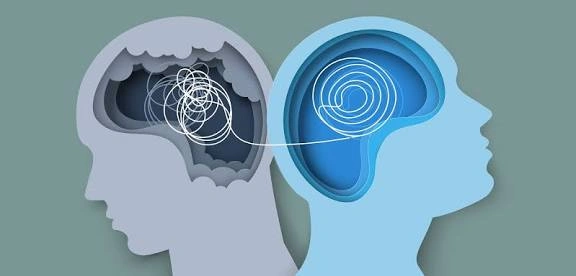
A prescription for Ativan can feel like a lifeline when anxiety is overwhelming or sleep has become impossible. For many people, that relief is real and immediate. But Ativan, known generically as lorazepam, is a benzodiazepine, and benzodiazepines are among the most misunderstood medications in common use. The short-term calm they produce can mask a complicated picture of what is actually happening inside the brain. Understanding that picture is worth the effort, whether you are currently taking Ativan, considering it, or supporting someone who is.
This article covers how Ativan works at a neurological level, what its emotional and cognitive effects actually look like day to day, how tolerance and dependence develop, and what the research says about long-term use. The goal is straightforward: give you accurate, practical information so you can have better conversations with your doctor and make more informed decisions about your mental health care.
What Ativan Is and Why Doctors Prescribe It
Lorazepam was first synthesized in the 1960s and has been prescribed under the brand name Ativan since 1977. The FDA approves it primarily for anxiety disorders and as a short-term treatment for insomnia related to anxiety. It is also used in clinical settings for seizure control, alcohol withdrawal, and as a pre-surgical sedative.
Ativan belongs to the benzodiazepine class, which means it works by enhancing the activity of gamma-aminobutyric acid, commonly called GABA. GABA is the brain’s primary inhibitory neurotransmitter. When Ativan binds to GABA-A receptors, it amplifies GABA’s natural calming signal, which slows down nerve activity across wide regions of the brain. The result is reduced anxiety, muscle relaxation, sedation, and in some cases, a sense of emotional detachment from stressors that would otherwise feel unbearable.
Among benzodiazepines, lorazepam is considered intermediate in duration of action. It kicks in relatively quickly, often within 15 to 30 minutes when taken orally, and its effects last roughly six to eight hours. That profile makes it useful for acute anxiety episodes but also means it needs to be re-dosed regularly if used daily, which is where many complications begin.
How Ativan Compares to Other Common Benzodiazepines
Not all benzodiazepines behave the same way. Understanding where Ativan sits in relation to similar medications helps clarify why its risks and benefits differ from alternatives your doctor might consider.
| Medication | Generic Name | Onset | Duration | Common Use |
| Ativan | Lorazepam | 15-30 min | 6-8 hours | Anxiety, insomnia, seizures |
| Xanax | Alprazolam | 15-30 min | 4-6 hours | Anxiety, panic disorder |
| Valium | Diazepam | 30-60 min | 20-100 hours | Anxiety, muscle spasms, alcohol withdrawal |
| Klonopin | Clonazepam | 20-60 min | 6-12 hours | Panic disorder, seizures |
| Halcion | Triazolam | 15-30 min | 2-4 hours | Short-term insomnia |
Ativan’s intermediate duration makes it a middle-ground option. It does not linger in the system as long as Valium, which can reduce next-day grogginess, but it also clears faster than some alternatives, which can make rebound anxiety between doses more noticeable for certain users.
The Emotional Effects: What Patients Actually Experience
The emotional experience of taking Ativan varies significantly from person to person, and it does not always match the simple narrative of ‘less anxiety equals better mood.’ Some people feel genuinely calmer and more functional. Others describe a flattening of emotion, a reduced ability to feel both distress and positive feelings. Still others report paradoxical reactions, where the drug produces irritability, agitation, or even increased anxiety rather than relief.
Paradoxical reactions are more common than many people expect. Research published in the journal CNS Drugs estimates that paradoxical responses occur in approximately one percent to two percent of patients taking benzodiazepines, though some clinicians believe the true rate is higher because many cases go unreported or are attributed to worsening mental illness rather than the medication itself.
Beyond paradoxical reactions, chronic use is associated with emotional blunting, a state where the normal range of feeling becomes narrowed. People may find they feel less distressed but also less engaged, less connected in relationships, and less able to experience pleasure. This is sometimes described as a kind of emotional graying. If you want to learn more about Ativan’s effects on your emotions, it is worth reading through detailed clinical breakdowns that go beyond the standard medication insert and address real-world emotional patterns.
Short-Term Emotional Effects
- Reduced anxiety and sense of dread
- Muscle relaxation and physical calm
- Mild euphoria in some users, particularly at higher doses
- Slowed, less racing thought patterns
- Reduced emotional reactivity to stressors
- Possible drowsiness or sedation that can interfere with daily functioning
Longer-Term Emotional Effects
- Emotional blunting or flattening of mood
- Increased baseline anxiety between doses as tolerance develops
- Difficulty accessing or processing emotions clearly
- In some cases, onset or worsening of depressive symptoms
- Reduced motivation and initiative
- Irritability or mood swings, especially if doses are missed
Tolerance, Dependence, and the Risk of Addiction
One of the most clinically significant facts about Ativan is how quickly the brain adapts to its presence. Tolerance, meaning you need more of the drug to achieve the same effect, can begin to develop within just a few weeks of daily use. This is not a character flaw or a sign of weakness. It is a predictable neurological response to a substance that alters GABA receptor sensitivity.
Physical dependence follows tolerance closely. Once the brain has adjusted to Ativan’s presence, removing the drug suddenly does not simply return the brain to its original state. Instead, without the enhanced GABA activity the drug was providing, the nervous system swings toward heightened excitability. Withdrawal symptoms can include rebound anxiety that is often more intense than the original symptoms the medication was prescribed to treat, insomnia, sweating, tremors, and in severe cases, seizures.
Addiction, which is distinct from dependence, involves compulsive use despite harmful consequences. Not everyone who becomes physically dependent on Ativan develops an addiction, but the risk is real. According to the Substance Abuse and Mental Health Services Administration (SAMHSA), benzodiazepines were involved in approximately 17 percent of all drug overdose deaths in the United States in recent reporting years, often in combination with opioids. That number underscores why the FDA updated its black box warning for benzodiazepines in 2020 to specifically address misuse, addiction, physical dependence, and withdrawal risks.
Cognitive Effects: Memory, Concentration, and Clarity
Ativan’s impact on cognition deserves its own discussion because it often surprises people who take it. The most well-documented cognitive effect is anterograde amnesia, a difficulty forming new memories while the drug is active in the system. This is why Ativan is sometimes used intentionally before medical procedures. You can be awake and responsive but retain little memory of what happened. In everyday use, this effect is usually subtler but still meaningful, particularly for people who need to learn new information, retain details from conversations, or perform complex work.
Concentration and processing speed can also be affected, especially in older adults. A large meta-analysis published in the British Medical Journal found that benzodiazepine use was associated with a significantly increased risk of cognitive decline and dementia in older populations, though the researchers noted that the direction of causality remains under investigation. Younger adults are not immune either. Reaction time slows, divided attention suffers, and tasks that require sustained mental effort become harder.
These effects are worth taking seriously, not to frighten anyone away from a medication that may genuinely help them, but because awareness allows for better planning. People taking Ativan should think carefully about activities that require alertness, such as driving, operating machinery, or making high-stakes decisions, especially in the first weeks of use or after any dose change.
How to Use Ativan More Safely
The FDA and most psychiatric guidelines recommend that benzodiazepines like Ativan be used for the shortest possible duration at the lowest effective dose. For anxiety, this typically means using them as a bridge while non-medication treatments like cognitive behavioral therapy take effect, rather than as a standalone long-term solution. CBT has strong evidence behind it for generalized anxiety disorder and panic disorder, and unlike medication, its effects tend to persist after treatment ends.
If you are already taking Ativan daily and want to reduce or stop, do not attempt to quit abruptly. A gradual taper, supervised by a healthcare provider, is the medically recommended approach. The taper schedule will depend on how long you have been taking it, your current dose, and your individual health history. Some people taper over several weeks; others require several months. Patience matters here, and the pace should be driven by your comfort level as much as by any preset schedule.
- Always take Ativan exactly as prescribed and do not adjust the dose on your own.
- Avoid alcohol and other central nervous system depressants while taking Ativan.
- Tell your prescriber about any mood changes, memory issues, or emotional blunting you notice.
- Do not drive or operate heavy machinery until you know how the medication affects your alertness.
- If you decide to stop taking it, work with your doctor on a supervised tapering plan.
- Consider asking for a referral to therapy alongside the medication, particularly CBT or DBT for anxiety.
What to Keep in Mind Going Forward
Ativan is a legitimate medication with genuine uses, and for many people it has provided real relief during acute crises. At the same time, it is a drug that carries meaningful risks when used long-term, including tolerance, physical dependence, cognitive changes, and emotional effects that are not always recognized as drug-related. Knowing those risks does not mean avoiding the medication at all costs. It means going in with clear eyes, asking good questions, and revisiting the plan regularly with whoever is managing your care.
Mental health treatment works best when it is active rather than passive, when you are a participant in understanding what is happening in your own mind and body. The more you understand about any medication you take, including exactly what it is doing and what the tradeoffs are, the better equipped you are to advocate for yourself and make choices that serve your long-term wellbeing.