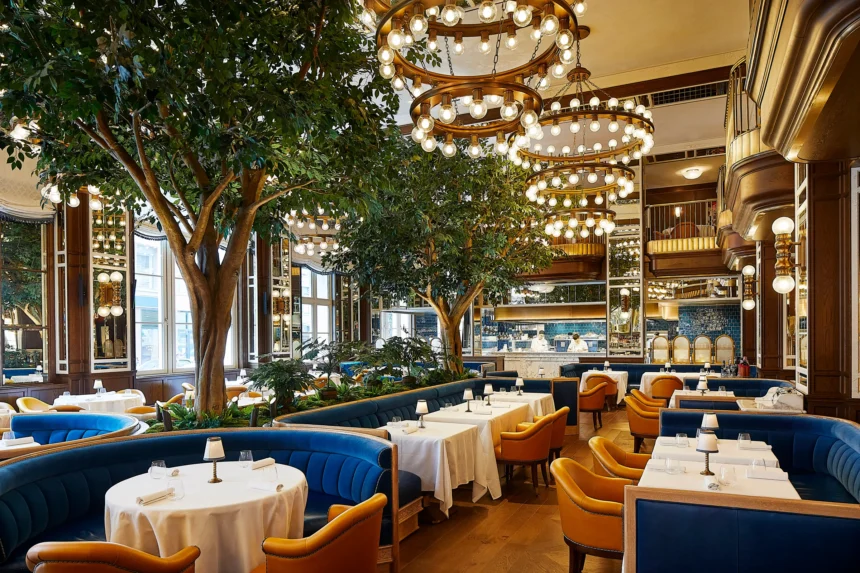
New York City dining continues to offer experiences that go beyond the familiar format of seated courses served in a formal tasting room. Chefs’ counters bring diners closer to preparation, plating, conversation, and the rhythm of service, making the meal feel more immediate and personal. Instead of experiencing each course only after it reaches the table, guests can watch how ingredients are finished, how timing shifts throughout the evening, and how the kitchen responds. This format can make fine dining feel less distant while preserving the precision, creativity, and thoughtful pacing associated with an ambitious multi-course meal.
A Closer Look at Counter Dining
- Chef’s Counters Turn Preparation Into Part of the Experience
One reason chefs’ counters attract diners is that they make the process behind each course more visible. Traditional tasting rooms often separate guests from the kitchen, making the finished plate the main point of interaction. At a counter, preparation itself becomes part of the evening. Diners can watch ingredients being arranged, sauces being finished, proteins being carved, and courses being coordinated moments before service. People comparing NYC fine dining options from The Chef’s Table may be drawn to this closer perspective because it adds another layer to the meal without requiring a completely informal setting. The experience can still feel polished while giving guests a stronger connection to the work happening behind the plate. Watching the kitchen also makes timing easier to appreciate. Diners see how several components must come together at once, which can turn what might otherwise feel like a sequence of dishes into a more complete view of how the meal is being built.
- Counter Seating Can Encourage More Natural Interaction
Chef’s counter dining often changes the relationship between guests and the people preparing the meal. Instead of communication happening mainly through servers describing finished dishes, diners may have opportunities to hear explanations directly from cooks or chefs working nearby. That interaction can make ingredients, techniques, and menu decisions easier to understand without turning the experience into a formal presentation. Questions may arise naturally as a dish is assembled or as an unfamiliar ingredient appears on the counter. This setting can also make the meal feel more responsive because diners are closer to the pace of preparation. Traditional tasting rooms often emphasize privacy and separation between tables, while counter seating creates a shared focal point around the kitchen. Guests may still have their own individual dining experience, but they also become part of a small group watching the same sequence unfold. For diners who enjoy learning how food is made, that proximity can offer a richer experience than reading menu descriptions or getting explanations after the plate has already arrived.
- Smaller Counter Settings Can Change the Rhythm of a Tasting Menu
The physical scale of a chef’s counter can influence how an entire tasting sequence feels. A large dining room must coordinate many tables at different stages of service, while a smaller counter may let courses move to a more concentrated rhythm. Diners can often see the next course being prepared while finishing the current one, creating anticipation without needing additional presentation. The meal can feel continuous rather than divided into separate moments of ordering, waiting, and serving. This does not necessarily mean the experience moves quickly.
In many cases, the counter format can actually make slower pacing feel more engaging because guests have something meaningful to observe between courses. The kitchen becomes part of the atmosphere. Flames, plating movements, finishing touches, and quiet coordination create visual interest that replaces some of the formality of a traditional room. For diners who enjoy long tasting menus but want a more connected experience, the counter can make an extended meal feel dynamic rather than ceremonial.
- Open-Kitchen Formats Can Highlight Technique and Ingredient Handling
Chef’s counters can also help diners understand why certain dishes taste or look the way they do. Techniques that might remain invisible in a conventional dining room become easier to notice when preparation happens nearby. Guests may see precise knife work, controlled searing, delicate garnishing, resting times, temperature adjustments, or last-second seasoning before a plate is served. This visibility can make seemingly simple dishes more interesting because diners understand how much attention went into creating the final result. Ingredient handling becomes part of that appreciation, too. A diner may notice how a fish is portioned, how vegetables are treated differently depending on texture, or how sauces are applied in small amounts to preserve balance. The counter therefore adds context without requiring lengthy explanations. Instead of hearing only what is on the plate, guests can observe how the plate came together. That perspective can make the dining experience feel more educational while keeping the focus on flavor, pacing, and enjoyment.
- Chef’s Counters Offer a Different Kind of Fine-Dining Atmosphere
Traditional tasting rooms often rely on elegant interiors, table spacing, formal service, and carefully controlled quiet to create a sense of occasion. Chef’s counters create atmosphere differently. The energy comes from movement, preparation, conversation, and proximity to the kitchen. Diners may hear cooking, watch plates leave the pass, and notice how the team communicates throughout service. This creates a sense of participation without requiring guests to become involved in the cooking itself. The experience may feel more intimate because the group is smaller and everyone faces the same working area rather than being separated across individual tables. For some diners, this makes fine dining feel more approachable while still preserving attention to detail. It also offers an alternative for people who have already experienced traditional tasting menus and want a different emotional tone. The meal becomes not only about what is served, but also about seeing how the restaurant creates that experience in real time.
A More Immediate Way to Experience Fine Dining
NYC fine dining options: Let diners move beyond traditional tasting rooms with chef’s counter experiences that make preparation, interaction, technique, and pacing more visible. Sitting closer to the kitchen can transform a meal from a sequence of finished courses into a broader look at how those courses are created. Diners can observe the movement behind service, understand techniques more clearly, and experience a different relationship with the culinary team. For guests who enjoy detailed tasting menus but want a more connected atmosphere, chef’s counters provide an engaging alternative that keeps refinement while bringing the creative process much closer to the seat.