Owning an e bike can make commuting, errands, and local rides easier, but storage becomes more complicated without a private garage. Apartment residents and renters may need to move the bike through narrow doors, protect indoor floors, charge the battery safely, and reduce theft risks.
A suitable storage setup can solve most of these problems. Choosing the right bike, planning where it will stay, and building a simple post-ride routine can make electric bike ownership practical even in a small home.
Choose a Bike That Is Easy to Store Indoors
Weight and dimensions matter more when a bike needs to be moved through a lobby, elevator, hallway, or staircase. A heavier motor and larger battery may improve performance, but they also make the bike harder to lift and position indoors.
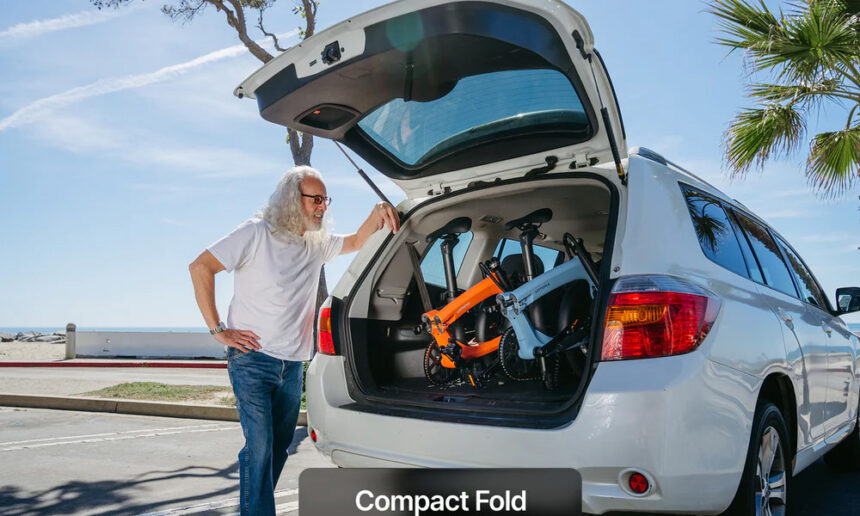
An electric folding cycle can reduce the amount of floor space needed. Depending on its folded size, it may fit inside a closet, beside a desk, under a staircase, or in the corner of an entryway.
Folding alone does not guarantee easy handling. Check the total weight, folded width, handlebar position, and number of folding steps. A compact bike that is difficult to carry may still be inconvenient for someone living above the ground floor.
Removable batteries can help by reducing the weight before lifting. Adjustable handlebars, folding pedals, and step-through frames may also make the bike easier to move through tight spaces.
Plan the Storage Area Before Buying
Decide where the bike will stay before choosing a model. Common indoor locations include an entryway, utility room, large closet, enclosed balcony, or unused corner near the front door.
Measure the full storage area, including the width of doorways and the space needed to turn the bike. Remember that baskets, racks, mirrors, and panniers may add extra width.
The storage location should remain dry and away from heaters, stoves, or strong direct sunlight. Large temperature changes can affect the battery and other components over time.
Avoid leaving the bike in hallways, stairwells, or emergency exits. Shared spaces may appear convenient, but building rules often restrict personal items in these areas.
Protect Floors and Walls
Tires can bring rainwater, dust, mud, and road debris into the home. A waterproof floor mat near the entrance can catch water and reduce marks on wood, carpet, or tile.
Wall guards or clear protective sheets can prevent pedals and handlebars from damaging paint. These are especially useful in narrow entryways where the bike regularly touches the same area.
A freestanding rack can keep the bike upright without drilling into the wall. Vertical racks save more floor space, but the rider must be able to lift the bike safely.
Wall-mounted hooks should be rated for the full weight of an electric bike. Hooks designed for lightweight bicycles may not safely support a heavier frame, motor, and battery.
Set Up a Safe Charging Area
Battery charging should take place in a dry and ventilated area. Use the original charger or one approved by the manufacturer, and place the battery on a stable surface where it cannot be knocked over.
Keep clothing, bags, paper, and other materials away from the charger. Both the charger and battery may become warm during normal use and need open space around them.
Inspect the battery casing, connector, and charging cable regularly. Stop charging if the battery becomes unusually hot, develops cracks, changes shape, produces a strong odor, or shows other signs of damage.
Many apartment riders remove the battery and charge it separately from the bike. This reduces the need to run cables across the floor and allows the bike to remain in its usual storage position.
A regular charging routine can also help. Charging while someone is at home makes it easier to disconnect the battery once it reaches the required level.
Keep Indoor Dirt Under Control
A quick cleaning routine prevents the bike from spreading dirt through the home. Keep a towel, soft brush, and bike-safe cleaner near the entrance.
After a wet ride, wipe the frame, tires, fenders, and lower parts of the bike before moving it into storage. Place the bike on a waterproof mat until it dries.
Avoid putting a wet bike inside a tightly closed closet. Trapped moisture can contribute to corrosion and unpleasant odors.
The bike does not need a full wash after every ride. A short wipe is usually enough for daily use, while the chain, gears, and brakes can receive more detailed cleaning when dirt begins to build up.
Improve Security Inside and Outside the Building
Keeping a bike indoors reduces exposure to theft, but shared basements, storage rooms, and apartment lobbies may still be accessible to other people.
Use a strong lock when the bike is stored in a communal area. Secure the frame to a fixed object rather than locking only the wheel. Removing the battery also makes the bike less attractive and easier to identify as incomplete.
Record the frame number, battery number, and purchase details. Take clear photos of the bike and store the information somewhere separate from it. These records may help with insurance claims or recovery.
Outdoor stops require the same care. Choose a visible bike rack, secure the frame and wheel, and remove displays, lights, or other accessories that can be detached easily.
An alarm or location tracker may provide additional protection, but it should be used together with a reliable physical lock.
Build a Simple Post-Ride Routine
Indoor ownership becomes easier when each ride ends with the same basic steps. Wipe the tires, remove loose accessories, check the battery level, and return the bike to its designated storage area.
Keep the charger, helmet, keys, gloves, lock, and cleaning cloths on one shelf or in one basket. This prevents equipment from spreading around the home and makes it easier to prepare for the next ride.
Check tire pressure, brakes, lights, cables, and folding joints regularly. Indoor storage protects the bike from rain and strong sunlight, but it does not prevent normal wear.
Occasional riders should also check the battery during long periods of storage. Follow the manufacturer’s instructions for charge level and storage temperature rather than leaving the battery fully discharged.
Conclusion
A garage makes electric bike ownership more convenient, but it is not essential. Riders can manage limited space by choosing a bike that is easy to move, measuring the storage area, and protecting nearby floors and walls.
Safe charging habits, regular cleaning, and dependable security further reduce the challenges of keeping a bike indoors. With a fixed storage location and a simple routine, an electric bike can fit comfortably into an apartment or shared home.