Most people who look into TMS therapy do so after trying antidepressants that either stopped working or caused problems they couldn’t tolerate. By the time someone reaches that point, they want real answers, not a brochure. They want to know how TMS actually works, what the treatment schedule looks like, whether the results hold up over time, and what could go wrong. This article covers all of that in plain language, drawing on published research and clinical experience.
How TMS Works and Why It Differs From Other Treatments
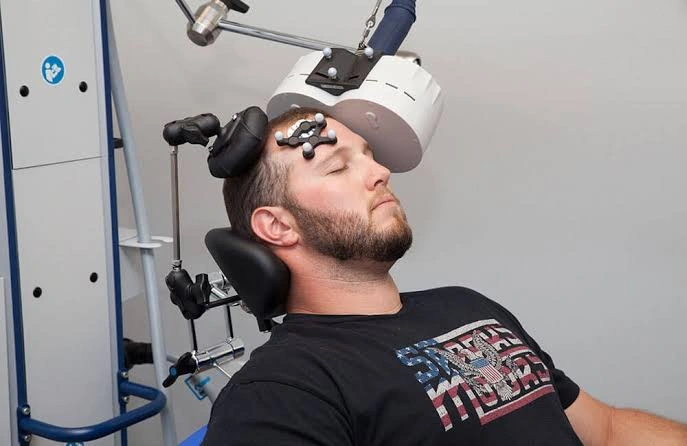
Transcranial magnetic stimulation, known as TMS, uses brief magnetic pulses to stimulate specific areas of the brain involved in mood regulation. The device is placed against the scalp, and the pulses pass through the skull without any electrical current touching the skin. There is no sedation, no surgery, and no systemic medication involved. That last point matters to a lot of patients, because it means the treatment does not circulate through the whole body the way a pill does.
The primary target for depression treatment is the left dorsolateral prefrontal cortex, a region that tends to show reduced activity in people with major depressive disorder. Repeated stimulation over several weeks appears to increase that activity, gradually shifting the brain’s baseline function. Think of it less like flipping a switch and more like physical therapy for a muscle that has become underused. The effects build slowly, which is one reason the treatment requires daily sessions over multiple weeks.
TMS is distinct from electroconvulsive therapy, or ECT, which requires anesthesia and intentionally induces a seizure. The two are sometimes confused, but they are very different in both mechanism and experience. TMS does not cause a seizure under standard protocols, and patients can drive themselves home after each session.
Who TMS Is Approved For and Who It Tends to Help Most
The U.S. Food and Drug Administration cleared TMS for the treatment of major depressive disorder in 2008, specifically for adults who have not responded adequately to at least one antidepressant. Since then, FDA clearances have expanded to include obsessive-compulsive disorder, smoking cessation, and certain pain conditions, depending on the device and protocol used.
Research consistently shows that patients with treatment-resistant depression tend to respond well, though not universally. A large multisite study published in the journal Psychological Medicine found that roughly 58 percent of patients with treatment-resistant depression experienced a meaningful clinical response after a full course of TMS, and about 37 percent achieved remission. Those numbers reflect a real but imperfect treatment, which is an honest way to frame any psychiatric intervention.
Certain factors may make someone a stronger or weaker candidate. Patients with a shorter duration of the current depressive episode, fewer failed medication trials, and no psychotic features tend to show better outcomes. Contraindications include having metal implants in or near the head, such as cochlear implants or certain types of aneurysm clips, because the magnetic field can interact with metal. A history of epilepsy is also a contraindication in most cases, given the small risk of seizure.
What a Standard TMS Course Looks Like
A traditional TMS course involves five sessions per week for four to six weeks, totaling between 20 and 30 sessions. Each session typically runs between 20 and 40 minutes, depending on the protocol. Newer accelerated protocols, including a method called Stanford Neuromodulation Therapy (SNT), compress the same number of pulses into a much shorter timeframe, sometimes just five days, though these are not yet universally available.
| Protocol Type | Session Length | Total Duration | FDA Cleared |
| Standard repetitive TMS (rTMS) | 20 to 40 minutes | 4 to 6 weeks | Yes |
| Deep TMS (dTMS) | 20 minutes | 4 to 6 weeks | Yes |
| Theta burst stimulation (TBS) | 3 to 6 minutes | 4 to 6 weeks | Yes |
| Accelerated TMS (SNT/SAINT) | 10 minutes x 10 daily | 1 to 2 weeks | Limited |
During a session, patients sit in a chair while a technician positions the coil on the head. A clicking sound occurs with each pulse, and most people feel a tapping or knocking sensation on the scalp. Some patients find it mildly uncomfortable at first, especially over the first few sessions, but most adjust quickly. Reading, listening to music, or simply sitting quietly are all fine during treatment.
Patients often ask when they will notice a change. Most clinicians say the first signs of improvement typically appear around weeks two to four, though some patients notice shifts earlier and others not until the course is complete. A minority of patients complete the full course without significant benefit and may need to discuss next steps with their provider.
Understanding the Risk Profile Before You Commit
TMS has a relatively favorable safety record compared to pharmacological alternatives, but it is not without risks. Anyone considering the treatment should take time to research the side effects of TMS therapy thoroughly before starting, because individual responses can vary in ways that are not always easy to predict from clinical trial averages.
The most commonly reported side effects are headache and scalp discomfort at the treatment site, both of which typically decrease after the first week as the patient acclimatizes. Lightheadedness immediately after a session is also reported by some patients. These effects are generally considered mild and temporary.
More serious but rare risks include seizure, which occurs in roughly 1 in 10,000 treatment sessions according to data compiled across multiple clinical trials. There are also less-discussed experiences that some patients report, including changes in mood that feel unexpected or difficult to characterize. A small number of individuals describe a worsening of anxiety or a sense of emotional flattening during or after treatment. These experiences deserve honest conversation with a prescribing clinician before and throughout the course of treatment.
Questions Worth Asking Before Your First Session
Going into TMS with realistic expectations and specific questions will make the experience more productive. Here are the questions that tend to matter most.
- What protocol will be used, and why is it the right fit for my diagnosis and history?
- How many failed medication trials do I need to document for insurance coverage to apply?
- What does the clinic’s response rate look like for patients with a similar profile to mine?
- Will I continue my current medications during TMS, and are there any interactions to consider?
- What happens if I feel worse at some point during the course? What is the protocol for that?
- Is there a maintenance plan after the acute course ends, such as booster sessions?
- Who supervises my care, and how accessible are they between sessions if I have concerns?
A clinic that answers these questions directly and without evasiveness is a good sign. Vague reassurances or pressure to start quickly before you have had time to research are worth paying attention to. TMS is a significant time and financial commitment, and the decision deserves deliberate thought.
What the Research Says About Long-Term Outcomes
One of the more practical questions people have is how long any improvement from TMS tends to last. The honest answer is that durability varies. A follow-up study published in Brain Stimulation found that among patients who responded to an initial TMS course, about half maintained their response at 12 months without any additional treatment. The other half experienced some return of symptoms and required either a booster course of TMS or a return to medication management.
This pattern is not unique to TMS. Many depression treatments show similar durability curves, where a portion of patients sustain remission and another portion relapse over time. What it means practically is that TMS is probably best thought of as one component of a longer-term mental health plan rather than a permanent fix. Combining TMS with psychotherapy appears to improve sustained outcomes for some patients, though head-to-head trial data comparing combined versus TMS-alone approaches is still growing.
For patients with recurrent depression, having a clear plan before finishing the acute course, whether that is scheduled booster sessions, continued therapy, or medication monitoring, tends to produce better long-term stability than simply waiting to see what happens.
Putting It All Together
TMS occupies a genuinely useful space in mental health treatment, particularly for people who have found medication to be insufficient or intolerable. The evidence supporting it for treatment-resistant depression is solid, the safety profile is favorable relative to many alternatives, and the treatment experience is far less disruptive than many people expect. At the same time, it requires a real time commitment, it does not work for everyone, and the experience is not identical from person to person. Approaching TMS with honest expectations, thorough preparation, and a provider willing to have direct conversations about both benefits and risks gives any patient the best foundation for a productive outcome.