After a crash on Meridian Avenue or the SR 512 interchange, many drivers leave the scene unsure who is to blame. Washington uses comparative negligence, which means fault can be shared. That single rule shapes everything from your insurance conversations to the value of any injury claim. If you suspect you were even a little at fault, what you document, what you say, and when you seek medical care can raise or lower your assigned percentage. This article explains how shared fault actually works in Washington, the specific evidence that moves the needle, common mistakes that hurt claims, and clear answers to questions local drivers ask when responsibility is disputed.
-
What “Comparative Negligence” Means in Washington
Under comparative negligence, each driver’s responsibility is expressed as a percentage based on evidence like the police report, scene photos, and witness statements. You can still recover compensation even if you share blame, but your percentage of fault reduces your recovery. For example, if your medical bills and lost wages are proven but you are found 30 percent at fault, any settlement or judgment is reduced by that 30 percent. This is why details that change the fault split, such as traffic signal phase data or phone use records, directly affect the amount you may receive.
Insurers often make early fault calls using adjuster notes, property damage photos, and brief statements. Many drivers prefer to get legal guidance before giving a recorded statement that could be interpreted as an admission. If you want a local, case-specific perspective before you speak with an insurer, you may consider consulting a qualified lawyer, such as John Forsythe Personal Injury Attorney, to understand how comparative negligence rules apply to your facts.
-
Evidence That Shifts the Fault Percentage
Some proof carries unusual weight when fault is disputed. Dashcam video can show lane position and following distance before impact. Event data recorder downloads reveal speed, throttle, and braking in the final seconds. Skid marks and yaw marks help a reconstruction expert estimate speed and changes in direction. The police diagram, debris field, and point of rest indicate where vehicles collided and how they rotated. Phone records may confirm or refute distraction. Nearby businesses or traffic agencies sometimes retain camera footage for only days, so requesting it quickly matters.
Consider a protected left turn crash where one driver insists the green arrow was lit. Photos of the signal head, the intersection’s posted signal phases, and the exact lane markings can confirm whether the movement was protected or permissive. In a chain reaction collision on a slick morning, bumper heights, underride damage, and crush patterns may show whether the middle car was pushed forward or was already too close. Those details can swing shared-fault percentages by several points in either direction.
-
Two Common Crashes That Complicate Fault
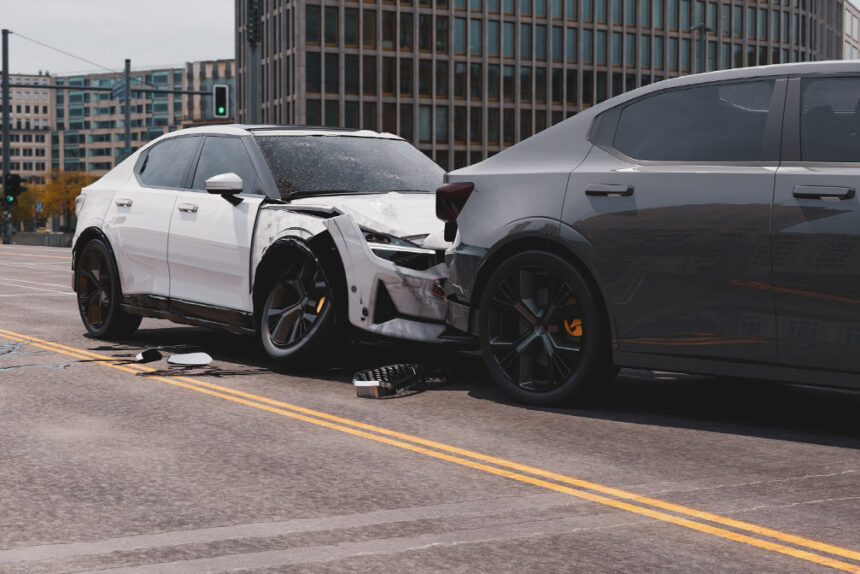
Rear-end at a stoplight: Washington drivers often assume the trailing car is always 100 percent at fault. That is a starting presumption, not the final word. Exceptions emerge if the lead vehicle’s brake lamps were out, if there was a sudden brake check with no hazard, or if an earlier impact shoved the trailing car forward. Photos of illuminated brake bulbs, repair invoices for lighting, and ECU data showing hard braking can shift partial fault onto the lead vehicle or a third driver who triggered the first impact.
Left turn across oncoming traffic: A driver turning left on Meridian must usually yield, but not if entering on a green arrow. Fault can hinge on whether the arrow was active, whether the oncoming driver entered on a late yellow at excessive speed, and where impact damage appears on the vehicles. Crush depth at the fender compared with door intrusion helps infer speed. Witnesses often misremember light phases, so corroborating with signal timing charts or nearby camera footage is stronger than relying on memory alone.
-
Mistakes That Can Increase Your Share of Fault
Seemingly harmless statements can be used to assign blame. Apologizing, speculating about speed, or guessing which light was green may be treated as admissions. Giving a recorded statement before you review the police report or your own photos can lock you into inaccuracies. Posting crash details or activity updates on social media invites scrutiny that can conflict with injury complaints. Delaying urgent care creates gaps insurers can use to argue the causal chain between the crash and your symptoms is broken. Allowing a totaled vehicle to be disposed of before an inspection can destroy valuable EDR data and prevent a meaningful reconstruction.
There is also a timing tradeoff. Quick settlements feel convenient, but they often occur before you reach maximum medical improvement. Soft tissue injuries may bloom days after a collision, and imaging or specialist referrals can uncover problems later. Once you sign a general release, you usually cannot reopen the bodily injury claim, even if you need new treatment. If the insurer proposes paying property damage and injury claims together, confirm you are not signing away injury rights while repairs are still underway.
Washington Specific FAQs on Partial Fault
Can I recover if I was partly at fault? Yes. In Washington’s comparative negligence system, your recovery is reduced by your share of fault. What if there is no police report? You can still present a claim with photos, dashcam footage, medical records, and witness statements, but an official report, if available, helps anchor the timeline. How long do I have to act? Personal injury claims in Washington generally must be filed within a set statute of limitations; waiting can reduce leverage and limit access to key evidence like camera footage or vehicle data.
Do I use PIP, health insurance, or the other driver’s coverage? Personal Injury Protection, if you purchased it, can pay medical bills quickly regardless of fault, while your health insurance may handle treatment subject to deductibles. The at-fault driver’s liability coverage typically reimburses losses later, and your own insurer may pursue subrogation. Should I use my collision coverage if I was not at fault? Many drivers do because it speeds repairs; your insurer can later collect from the at-fault carrier and refund your deductible if successful. Will giving a recorded statement help? Provide accurate facts, but stick to the essentials until you have reviewed records and, if needed, sought legal advice.
Sharing fault doesn’t end a Washington car accident claim, but it raises the stakes for careful documentation and communication. Preserve photos, request the police report, and keep every medical record and receipt. Ask nearby businesses for video promptly, and save the damaged vehicle until you can download key data. Before you agree to a recorded statement or sign releases, make sure you understand how each choice could shift the fault percentage and, with it, your claim value.