In Vista, long stretches of sun, bursts of Santa Ana winds, salty air, and the season’s first downpours all stress a roof in different ways. Many leaks start small, showing up as a faint ceiling stain after a fall storm or a musty smell near the attic hatch. Others hide behind stucco at a roof-to-wall joint or along a valley where debris piles up. Because water can travel along underlayment, rafters, and nail lines before it shows up indoors, finding the true entry point isn’t as simple as looking straight up from the stain. Here’s how to spot early clues, understand likely causes, and choose durable fixes for Vista tile and asphalt shingle roofs.
-
Early leak clues on Vista tile and asphalt shingle roofs
Watch for shingle granules collecting in gutters, a sign the asphalt surface is wearing and exposing the fiberglass mat. Rust lines along valley metal, dark streaks on fascia beneath the drip edge, or damp eaves at dawn after a marine layer can also hint at chronic seepage. Inside, brown rings around can lights, arkened stain trackbelowow a plumbing vent, or rust on exposed roofing nails can point to slow, intermittent leaks that worsen witwind-drivenen rain.
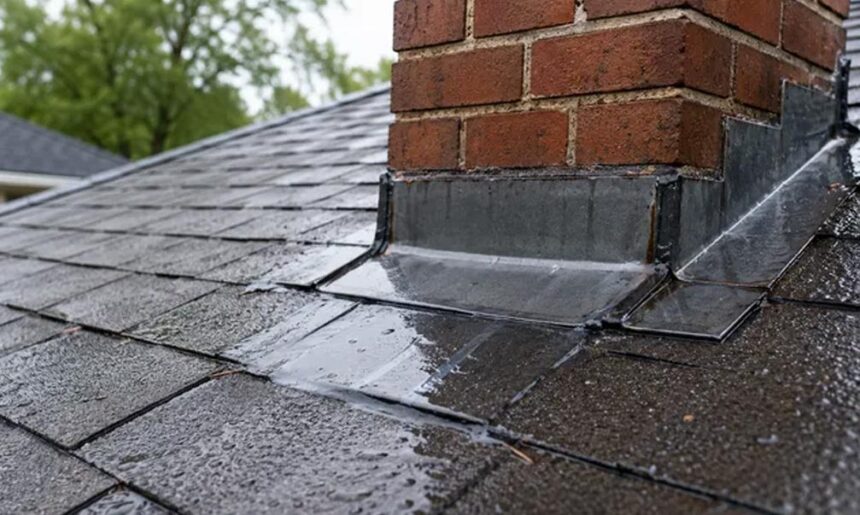
On tile roofs, cracked mortar at ridge tiles, slipped field tiles after a windy night, and stucco streaking where a roof meets a wall often indicate missing kickout flashing or tired underlayment. Look closely at roof-to-wall joints, skylight curbs, and chimney saddles; dried sealant and loose counterflashing are common culprits. If you want a reference for the materials and component names contractors discuss, resources like https://jakencoroofs.com/ can help you match terms such as pipe boots, valley metal, and headwall flashing with what you see on your own home.
-
Underlayment fatigue, flashing gaps, and penetrations that let water in
Under tile, older 30-pound felt can dry out, crack, and slide, especially on hotter south- andwest-facingg slopes. When felt or aging synthetic underlayment loses integrity at laps or around fasteners, wind-driven rain rides under tiles and finds nail holes in the sheathing. On shingle roofs, repeated heat cycles and strong gusts can break the adhesive seal strip near rakes and eaves, allowing tabs to lift and expose nail heads. Once fasteners are wet repeatedly, capillary action can carry moisture along the shingle course and into the deck.
Metal matters too. Improperly buried sidewallly buried sidewall and co, or le,avinleaving it without a kickout, can sendd water behind the stucco paper and into wall cavities. Pipe boots with neoprene collars crack in UV light, opening ring-shapeded gap around vent pipes. Skylight curbs rely on corner saddles, step flashing, and sound gaskets; dried sealant here only hides the symptom. Add-on penetrations such as satellite mounts and solar stanchions must be flashed and sealed with compatible, manufacturer-approved components. A realistic scenario: a homeowner installs solar, the stanchion flashings are fine, but a nearby brittle pipe boot fails months later; runoff from panels accelerates the leak path into the boot opening.
-
How roofers trace the entry point beyond the ceiling stain
Pros start low and move upslope. In the attic, they follow drip tracks on the underside of sheathing, note rusted nail tips, and check for daylight where flashing or boots should be tight. Moisture meters and a simple inspection mirror help see around truss webs and skylight wells. Outside, they carefully lift shingles to check for torn underlayment at step flashing, test pipe boots for cracks, and examine valley laps for pinholes. A controlled hose test begins at the eave and works upslope in short sections, isolating a leak by recreatingwind-drivenn rain around a suspect penetration, corner, or flashing course. The goal is to map the water’s path, not just the visible stain.
-
Repair paths and trade-offs: patch, partial reroof, or lift and relay tile
Some issues respond well to targeted repairs: replace a cracked pipe boot; resecure lifted shingles with roofing cement under the tab and new nails driven into the correct nailing zone; or install proper kickout flashing where stucco shows black streaks. In valleys, replacing corroded metal and adding a self-adhered membrane under the new valley can extend service life. The trade-off is longevity versus appearance. A small shingle patch may stand out due to color fade, and sealing a corner with mastic alone rarely lasts through heat and wind cycles. When multiple areas show age, a partial reroof on a slope delivers a more durable fix than chasing scattered patches.
On concrete or clay tile, lia ft-and-relay is common: crews stack tiles, remove worn felt or brittle synthetic, replace rotten battens, integrate new flflashings,oll out modern ununderlayment,einstall tiles, and add bird stops at eaves. This preserves the roof’s look while renewing the actual water barrier. Constraints include sourcing matching replacement tiles for any breakage and ensuring proper headlap during reinstallation. Low-slope sections that pond may require a different system, such as modified bitumen or TPO, tied cleanly into the pitched roof with metal transition flashings. Near the coast, corrosion-resistant fasteners and metals help resist salt air.
Preventive steps before the next rainy season in North County
Clean debris from valleys, gutters, and downspouts before fall storms so water does not back up under shingles or over valley metal. Trim overhanging eucalyptus or palm fronds that scrape ridge caps and dislodge tiles. ReProactively replaceVUV-crackedipe boots pand inspect moridge rtar or foam atr gaps. Do not pressure wash tile; high pressure streams force water under laps and can break tiles. After wind events, look for slipped tiles, exposed felt at eaves, and lifted shingle tabs at rakes. Where stucco meets roofing, confirm that step and counterflashing are visible and that a kickout directs runoff into the gutter, not behind the wall cladding.
Ventilation helps roofs last longer. Ensure soffit vents are open and not buried in insulation, use baffles to keep air pathways clear, and verify that ridge or off ridge vents are unobstructed. Excess attic heat can shorten shingle life and amplify expansion that opens flashing joints. Check skylight gaskets for brittleness and clean weep holes so frames drain as designed. A brief roof tutune-up ead of the rainy season, and a second look after the first heavy storm, can catch small issues at pipe boots, valleys, and roroof-to-walloints before they prcausetained drywall or damaged insulation.
In Vista’s mix of sun, salt, and seasonal winds, the first drip is usually a late warning. Early clues often appear at flashings, valleys, and penetrations long before water reaches the ceiling. When a problem shows up, ask for a diagnosis that traces the water path from the entry point, not just a sealant patch at the stain. Durable fixes usually focus on renewing underlayment in critical areas, correcting step and kickout flashing details, and replacing aged components like pipe boots. A bit of prevention and a source focused repair approach can protect sheathing, insulation, and stucco for seasons to come.