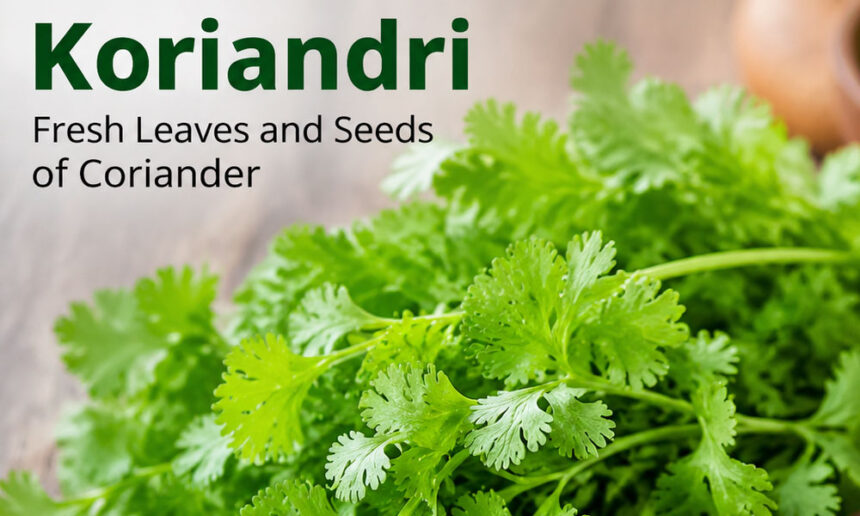
Have you ever seen the word Koriandri and wondered what it really means? You are not alone. Many people get confused when they hear this name. It sounds new, but it is actually connected to a very common kitchen herb used all over the world.
In simple words, Koriandri is closely linked to coriander, cilantro, and dhania. It is not a different plant. It is just another name people use in different places and languages. This is why so many readers feel confused when they first hear it.
In today’s article, we will make everything clear in a very simple way. You will learn what Koriandri is, how it is used in cooking, how it tastes, why it has different names, and much more. Everything is explained in easy words so anyone can understand without difficulty.
What Is Koriandri? Simple Meaning Explained
Koriandri is simply another name connected to the coriander plant. The scientific name of this plant is Coriandrum sativum. It is a well-known herb used in kitchens around the world for flavor and aroma.
This plant is special because it gives two useful things. The fresh green leaves are used as a herb, and the dried seeds are used as a spice. So when people say Koriandri, they may be talking about the whole plant or just one part of it.
In many places, Koriandri is not considered a separate plant. It is just a local or alternate word for coriander. This is why understanding the name is important before learning about its uses.
Koriandri vs Coriander: Why Names Are Different
One of the biggest reasons people get confused is because this herb has many names. In different countries, people use different words for the same plant.
For example, in North America, the fresh leaves are called cilantro. In the United Kingdom and many Asian countries, the same leaves are called coriander leaves. In South Asia, people often call it dhania. And in some places, people may use the word Koriandri as a variation or spelling form.
So if you hear all these names, don’t get confused. They are talking about the same plant. Only the language and region are different. This is very common with herbs and spices used around the world.
The Koriandri Plant and Its Natural Features
The plant known as Koriandri is a soft green herb that grows quickly. It belongs to the same plant family as parsley, celery, and carrots. This is why it has a fresh and light smell.
The plant has thin stems, soft leaves, small flowers, and round seeds. It grows best in mild weather and does not need very difficult care. Many people even grow it in small pots at home.
What makes this plant special is that it gives two different flavors from one source. The leaves are fresh and green in taste, while the seeds are warm and slightly sweet. This makes Koriandri very useful in cooking.
Koriandri Leaves: Fresh Taste and Uses
The leaves of Koriandri are soft, green, and very fresh in smell. They are one of the most used parts of the plant in cooking.
These leaves are usually added at the end of cooking. This is because heat can reduce their fresh taste. You often see them sprinkled on top of curries, soups, rice, and salads to make the dish look and taste better.
For example, a simple bowl of lentils can taste very different when fresh Koriandri leaves are added on top. They bring brightness and a fresh aroma that makes food more enjoyable.
Koriandri Seeds: Flavor and Cooking Role
While the leaves are fresh and green, the seeds of Koriandri are completely different. They are small, round, and dry, and they are used as a spice.
The seeds have a warm, slightly sweet, and earthy flavor. Many people roast them lightly before using because roasting makes the smell and taste stronger. After roasting, they can be used whole or ground into powder.
These seeds are commonly used in spice mixes, curries, soups, and pickles. They help build the base flavor of many dishes and are very important in cooking traditions around the world.
Koriandri Uses in Everyday Cooking
Koriandri is used in many different types of food. It is one of those ingredients that fits almost everywhere, from simple home meals to special dishes.
In South Asian cooking, it is used in curries, rice dishes, chutneys, and snacks. In Mexican food, fresh leaves are used in salsa, tacos, and guacamole. In Middle Eastern cooking, seeds are often used in spice mixes and meat dishes.
This shows how flexible Koriandri is. It can be used in many styles of cooking without losing its value. Whether the dish is spicy, sour, or mild, Koriandri fits in easily.
Koriandri Taste and Aroma Explained
The taste of Koriandri depends on which part you are using. The leaves and seeds taste very different from each other.
Fresh leaves have a light, citrus-like, and fresh taste. They make food feel bright and refreshing. That is why they are often added at the end of cooking.
The seeds, on the other hand, taste warm, nutty, and slightly sweet. Some people love the taste of the leaves, while others feel it tastes a bit strange. This difference is normal and can even depend on genetics.
Koriandri Health Benefits and Nutrition Facts
Many people also like Koriandri because it is seen as a healthy herb. The leaves contain vitamins like A, C, and K, which are important for the body.
It also contains antioxidants that support overall health. In traditional cooking systems, it has been used to help with digestion and to make meals feel lighter.
However, it is important to remember that Koriandri is not a medicine. It is a food ingredient. It supports a healthy diet but should not replace medical treatment.
How to Grow Koriandri at Home Easily
Growing Koriandri at home is very simple. You do not need a large garden. Even a small pot on a balcony or windowsill can work.
It grows best in sunlight and needs regular but light watering. The plant grows fast, so you can start using fresh leaves in just a short time after planting.
Many people enjoy growing Koriandri at home because it gives fresh herbs without going to the market. It is also a great choice for beginners.
How to Store Koriandri for Long Freshness
Fresh Koriandri leaves do not last long if not stored properly. That is why good storage is important.
One easy way is to wrap the leaves in a paper towel and keep them in the fridge. Another method is placing the stems in a jar of water, like a small plant.
The seeds are easier to store. Just keep them in a dry, airtight container away from heat and moisture. This helps them keep their flavor for a long time.
Koriandri in World Food Cultures
Koriandri is used in many countries around the world. It is a truly global herb.
In India and Pakistan, it is used in curries, chutneys, and rice dishes. In Mexico, it is important in salsa and tacos. In the Middle East, it is used in spice blends and meat dishes.
In Asian countries, it is also used in soups and noodle dishes. No matter the region, Koriandri plays an important role in adding flavor and freshness to food.
The Real Truth About Koriandri
So now you clearly understand what Koriandri really is. It is not a new plant or something rare. It is simply another name linked to the coriander plant that people use in cooking all over the world.
The main confusion happens because different countries use different names. Some say cilantro, some say coriander, some say dhania, and some say Koriandri. But in the end, they all point to the same plant.
This herb is small, simple, and very common, but it plays a big role in cooking. It adds freshness, aroma, and flavor to many dishes. That is why it is loved in so many kitchens in 2026 and still remains a key ingredient today.
Common Myths About Koriandri
Many people think Koriandri is a special or new herb. But this is not true. It is just another name for coriander. This is one of the most common misunderstandings.
Another myth is that the leaves and seeds come from different plants. In reality, both come from the same plant. The difference is only in how they are used and how they taste.
Some people also believe that Koriandri has no real value because it is “just a garnish.” But in truth, it adds real flavor and depth to food. Even a small amount can change the taste of a dish.
How to Choose Good Koriandri in Markets
When buying fresh Koriandri, always look at the color first. The leaves should be bright green and fresh. If they look yellow or dry, they are not fresh.
You should also smell the bunch. Fresh Koriandri has a clean and fresh herbal smell. If it smells weak or bad, it is better to avoid it.
For seeds, choose ones that look dry and clean. When you crush them slightly, they should have a warm and fresh smell. This shows good quality.
Simple Ways to Use Koriandri in Daily Food
Using Koriandri in daily cooking is very easy. You do not need any special skill. Just a small amount can improve the taste of your meal.
You can sprinkle fresh leaves on rice, soups, eggs, salads, and curries. This gives a fresh taste and also makes the dish look more beautiful.
Seeds can be used in cooking bases, spice mixes, and roasted dishes. If you roast them lightly before using, the flavor becomes even stronger and more pleasant.
Is Koriandri Safe for Everyone?
In general, Koriandri is safe for most people when used in normal food amounts. It is a common herb found in everyday meals around the world.
However, some people may have allergies. They might feel itching or discomfort after eating it. In such cases, it is better to avoid it and consult a doctor.
Also, eating too much of any herb is not a good idea. Even natural foods should be used in balanced amounts for a healthy diet.
Interesting Facts About Koriandri
One interesting fact about Koriandri is that some people love it, while others do not like it at all. This is mainly due to how their taste system works.
Another fact is that this herb has been used for thousands of years. Ancient civilizations used it not just for food but also in traditional practices.
Also, almost every part of the plant is useful. Leaves, stems, seeds, and even roots are used in different ways across the world.
Easy Tips for Keeping Koriandri Fresh Longer
If you want your Koriandri to stay fresh, you need to store it the right way. Simple care can make a big difference.
You can wrap the leaves in a slightly wet paper towel and keep them in the fridge. This helps them stay fresh for a few extra days.
Another easy method is to place the stems in a glass of water. Cover the leaves lightly and keep them cool. This works like keeping fresh flowers alive.
Why Koriandri Is Still Important in 2026
Even in 2026, Koriandri is still one of the most used herbs in the world. The reason is simple. It is easy to find, easy to use, and adds natural flavor.
People today prefer fresh and natural ingredients in their food. Koriandri fits perfectly into this lifestyle because it improves taste without artificial flavors.
It is also popular in home cooking. Many people grow it at home because it grows quickly and gives fresh leaves anytime they need them.
Conclusion
At first, Koriandri may look like a confusing word. But once you understand it, everything becomes very simple. It is just another name for a very useful plant called coriander.
This small herb has a big role in cooking. It brings freshness, aroma, and flavor to dishes from many cultures around the world.
Whether you call it Koriandri, coriander, cilantro, or dhania, one thing is clear. It is a simple, natural, and powerful ingredient that will always stay important in kitchens everywhere.
(FAQs)
What is Koriandri in simple words?
Koriandri is simply another name for the coriander plant. It is the same herb used in cooking around the world. The plant gives fresh green leaves and dry seeds, both used in different ways for flavor.
Is Koriandri the same as coriander or cilantro?
Yes, it is the same plant. The difference is only in the name. In some countries, fresh leaves are called cilantro, while in others they are called coriander leaves or dhania. Koriandri is another variation of these names.
Why does Koriandri have so many different names?
The name changes based on language and region. Different countries developed their own words over time. This is why one plant can have multiple names like coriander, cilantro, dhania, and Koriandri.
What parts of Koriandri are used in cooking?
Almost every part of the plant is useful. The leaves are used fresh for garnish and flavor. The seeds are used as a spice. Even stems and roots are sometimes used in soups, sauces, and spice pastes.
What does Koriandri taste like?
The leaves taste fresh, light, and slightly citrus-like. The seeds taste warm, nutty, and slightly sweet. Both have very different flavors even though they come from the same plant.
Why do some people dislike Koriandri leaves?
Some people feel the leaves taste like soap or have a strange flavor. This is due to genetics, which affects how their taste buds react to certain natural compounds in the herb.
Is Koriandri healthy for daily use?
Yes, Koriandri can be part of a healthy diet. It contains vitamins like A, C, and K, along with antioxidants. It is not a medicine, but it adds natural nutrients and flavor to food.
How can I use Koriandri in everyday meals?
You can add fresh leaves to salads, soups, rice, curries, and snacks. The seeds can be used in spice mixes, curries, and roasted dishes. It is very easy to include in daily cooking.
Can I grow Koriandri at home easily?
Yes, it is very easy to grow at home. You only need a small pot, soil, sunlight, and water. It grows fast, and you can start using fresh leaves in a short time.
How should I store Koriandri to keep it fresh?
Fresh leaves should be wrapped in a paper towel or kept in water inside the fridge. Seeds should be stored in a dry, airtight container away from heat and moisture to keep their flavor longer.
You might also like Protocolo Operacional Padrão (POP): A Simple Guide to Better Business Processes