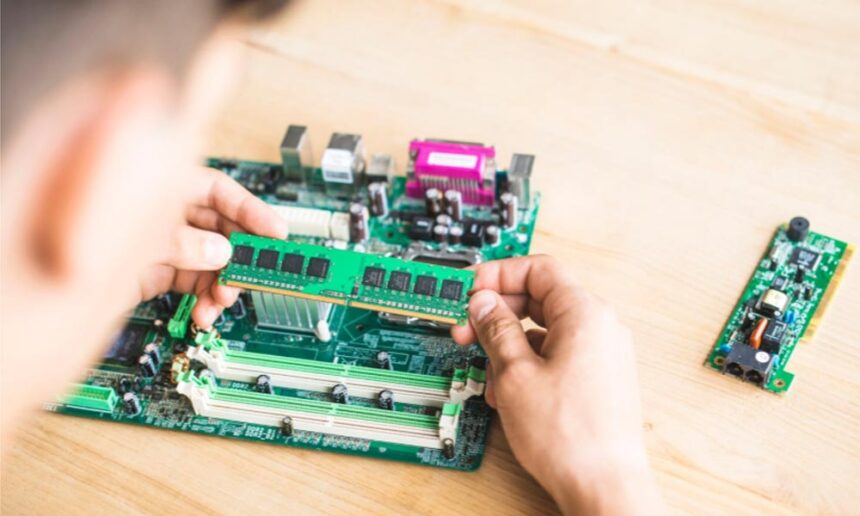
When businesses upgrade their IT equipment, RAM often becomes part of the resale, reuse, or recycling process. Memory modules may be removed from retired desktops, laptops, workstations, and servers, then tested, documented, and sold through secondary markets.
RAM can retain value when it is functional, clearly labeled, compatible with common systems, and available in useful capacities.
Current memory market pressure has also made used RAM more important for buyers trying to control hardware costs.
This article explains what happens to RAM after an IT upgrade, how market conditions affect resale value, and how businesses can prepare memory for sale.
How Current RAM Market Conditions Affect Computer Resale Prices
Memory supply conditions have changed how buyers evaluate used business equipment. RAM is no longer a minor specification that buyers overlook.
It can influence whether a used system is easy to resell, suitable for refurbishment, or worth breaking down into individual components.
The Impact Of RAM Shortages On Used Computer Demand
Demand for AI infrastructure has increased pressure on the memory supply. High-bandwidth memory and server DRAM have become especially important for data centers, which has affected the availability and pricing of conventional memory used in PCs and business systems.
Industry reporting has pointed to higher memory and component costs in 2026, with AI demand contributing to tighter supply across the hardware market.
This matters when businesses retire computers. A system with verified RAM may be more attractive to a buyer than a bare machine that requires expensive upgrades.
Buyers evaluating refurbished systems want to know whether the installed memory is sufficient, functional, and compatible with current software needs.
RAM shortages do not raise the value of every old computer. A device still needs a usable processor, working storage, a clean physical condition, and operating system compatibility. Still, memory can improve resale appeal when the system has enough capacity for modern business use.
Supply Constraints Driving Refurbished System Value
Refurbished business systems can be useful because they already include working RAM. This reduces the need for buyers to source new memory in a volatile market. Desktops, laptops, and workstations with 16 GB or 32 GB of RAM may be especially appealing to organizations that need practical equipment without paying inflated new-component prices.
Corporate refresh cycles also keep secondary markets active. Businesses often replace fleets of laptops, desktops, and servers on a set schedule.
When those systems enter resale channels with tested memory installed, buyers can evaluate them faster and deploy them sooner.
For sellers, this means RAM should be treated as a documented asset. Instead of listing equipment only by model name, sellers should include installed memory capacity, RAM type, speed, and module count. These details make quotes more accurate and reduce buyer uncertainty.
Price Volatility In New RAM Vs. Used Equipment Pricing
New RAM pricing can shift quickly during supply constraints. Buyers may face changing component costs, delayed availability, or higher prices for certain module types.
Analysts and distributors have noted that AI demand, DDR4 supply risk, and the transition toward newer memory technologies are contributing to price volatility in 2026.
Used computers and used RAM can offer more predictable options when the equipment is already available and tested. A buyer can assess the full system configuration rather than waiting for separate parts.
This is one reason complete used business systems with strong RAM configurations may attract more interest during periods of component instability.
Timing still matters. RAM generations lose value as platforms age, and system values can decline when newer processors and memory standards become more common.
Businesses should avoid leaving retired equipment in storage for long periods if they want stronger resale outcomes.
Evaluating How Much RAM Adds To A Computer’s Value
RAM value depends on more than capacity. Buyers want proof that memory works, that specifications are accurate, and that the equipment has been handled properly.
A clear process helps businesses turn retired memory into recoverable value.
Testing And Verifying RAM Functionality
RAM should be tested before resale whenever possible. Faulty memory can cause crashes, freezes, failed boot attempts, random restarts, and application errors. Buyers are less likely to pay strong prices for untested modules because they must absorb the risk.
Basic testing can begin with built-in tools such as Windows Memory Diagnostic. More detailed testing can be done with bootable tools such as MemTest86.
For larger batches, businesses may rely on internal IT teams, refurbishment partners, or IT asset disposition providers that can test modules at scale.
If memory modules are being sold separately, each stick should be tested and labeled individually.
A full system test is useful, but it does not always identify which specific module caused an error. Individual testing improves accuracy and helps buyers quote with more confidence.
Sellers should also avoid presenting overclocked performance as standard functionality. RAM should be documented at its rated specifications, not only at settings achieved through XMP, EXPO, or manual BIOS changes.
Documentation That Increases Buyer Confidence
Good documentation can improve resale outcomes. Buyers want to know exactly what they are purchasing, especially when dealing with bulk equipment.
Useful RAM documentation includes:
- RAM generation, such as DDR3, DDR4, or DDR5
- Capacity per module
- Total installed memory
- Speed rating
- Form factor, such as DIMM, SODIMM, RDIMM, or LRDIMM
- Brand and part number
- Quantity available
- Test status
- Source system or asset tag, when available
For businesses selling complete computers, the equipment list should include the full configuration.
RAM works alongside the processor, storage, graphics, battery condition, and operating system support. Buyers need the complete picture to understand resale or refurbishment value.
Chain-of-custody records can also matter for larger organizations. While RAM does not store data the same way drives do, professional handling, inventory tracking, and documented equipment processing still help demonstrate disciplined IT asset management.
Comparable Pricing Research Methods
Businesses should compare current prices before selling RAM or systems with strong memory configurations.
Active listings can be misleading because they show asking prices, not completed sales. Completed transactions provide a better view of what buyers actually pay.
When comparing prices, match the specifications closely. DDR3, DDR4, and DDR5 have different demand profiles.
Desktop RAM, laptop RAM, and server RAM also sell into different markets. ECC server memory, RDIMM, and LRDIMM modules may attract different buyers than standard desktop DIMMs.
Businesses should also compare multiple channels. Online marketplaces, local buyers, brokers, recyclers, and IT asset disposition companies may each offer different pricing.
The best choice depends on volume, urgency, testing resources, and whether the seller wants to manage shipping, negotiation, and buyer screening.
Best Platforms And Strategies To Sell Used Business Computers With Quality RAM
The right resale channel depends on the type of equipment being sold. A single laptop may be suitable for a marketplace listing.
A large batch of servers, desktops, or memory modules usually needs a more organized process.
Online Marketplaces For Individual Systems
Online marketplaces can work for individual computers or small quantities of RAM. They give sellers access to a broad pool of buyers and allow pricing flexibility. However, they also require more effort.
Sellers must create listings, photograph equipment, answer questions, handle shipping, manage returns, and deal with platform fees. For a few systems, this may be manageable. For bulk business equipment, it can become inefficient.
Accurate listings are essential. A used computer with 32 GB of RAM should clearly state whether that memory is soldered, removable, installed as one module or two, and whether empty slots remain for upgrades. These details reduce disputes and help the right buyers find the listing.
IT Asset Disposition Companies For Bulk Computers
For businesses selling many systems at once, IT asset disposition companies can simplify the process. They typically handle quoting, logistics, testing, resale, recycling, and reporting.
This approach is useful for organizations that need a structured process rather than one-off sales.
Businesses selling loose RAM after upgrades can also work with specialist buyers. Big Data Supply buys computer and server RAM in bulk, including used RAM, high-bandwidth memory, DDR4 modules, and Load Reduced DIMMs, making it a relevant option for companies that want to sell memory recovered from retired IT equipment.
This type of channel is especially helpful when sellers have large quantities, mixed module types, or enterprise server memory that requires more specific valuation.
Local Buyers And Direct Sales Options
Local sales can work for smaller quantities of equipment. They reduce shipping concerns and may allow faster transactions. However, local selling usually limits the buyer pool and may produce lower offers for specialized memory.
Direct sales may make sense for businesses with known buyers, internal resale programs, or relationships with refurbishers. The main challenge is valuation. Without a competitive quote process, sellers may not know whether they are receiving a fair price.
Local channels are generally better for common laptops, desktops, and small batches of standard RAM. Bulk server memory, enterprise workstations, and large refresh projects often benefit from professional resale channels.
Pricing Strategies Based On RAM Configuration
RAM configuration should be part of the pricing strategy for every used computer. A system with 16 GB or 32 GB of RAM may justify a stronger asking price than a similar machine with only 4 GB or 8 GB.
For individual modules, pricing should reflect generation, capacity, speed, form factor, brand, and condition. Server memory should be identified precisely because RDIMM, LRDIMM, ECC, and high-capacity modules serve different buyers.
Sellers should avoid vague descriptions such as “lots of RAM” or “upgraded memory.” Specific listings build trust and reduce negotiation friction. Accurate details also help buyers compare equipment quickly.
Timing Your Sale: When RAM Configuration Matters Most
Timing can affect how much value businesses recover from RAM and used systems. Market demand, product cycles, and internal upgrade schedules all influence resale outcomes.
Market Cycles For Business Computers
Business computers often enter secondary markets after scheduled refreshes. Many organizations replace devices after several years, which creates waves of similar equipment. If many companies release the same models at once, prices can soften.
RAM configuration can help a system stand out in crowded resale windows. A laptop or desktop with enough memory for modern workloads may attract more interest than a similar system that needs immediate upgrades.
Seasonal demand can also influence resale activity. Buyers may look for affordable systems before budget deadlines, school terms, or project rollouts. Businesses should prepare equipment early so they can act when demand improves.
Component Shortage Windows
During component shortages, tested used RAM can become more attractive. Buyers may prefer available memory and complete systems rather than waiting for new parts or paying higher prices.
However, sellers should not assume shortages will automatically create premium pricing. The strongest results usually come from accurate specifications, working conditions, useful capacities, and access to the right buyer pool.
A large batch of tested DDR4 or server memory may perform better than untested mixed modules with incomplete labels.
Current reporting suggests that memory supply pressure could continue beyond a single quarter, especially as AI infrastructure demand affects broader DRAM and hardware markets.
Strategic Timing To Avoid Depreciation
Businesses should prepare RAM and retired computers for resale soon after decommissioning. Equipment stored for long periods may lose value, become harder to test, or fall behind current buyer demand.
The best process starts before the upgrade is complete. IT teams should record configurations, remove equipment carefully, separate reusable parts, and store RAM in anti-static packaging.
This prevents damage and keeps asset details accurate. Sellers should also decide whether to sell complete systems or part out the memory separately.
Complete systems may be easier to process, while high-value server RAM may justify separate valuation. The right choice depends on equipment type, volume, and buyer demand.
Conclusion
RAM does not become irrelevant when businesses upgrade their IT equipment. It may continue to support resale, refurbishment, repair, or responsible recycling.
Memory that is tested, documented, and matched to current buyer needs can improve the value of used computers and may also sell well as a separate asset.
Market pressure from AI infrastructure and memory supply constraints has made RAM configuration more important, but buyers still care about accuracy, condition, and compatibility.
Businesses that prepare equipment carefully, compare resale channels, and act soon after decommissioning are more likely to recover useful value from retired IT assets.