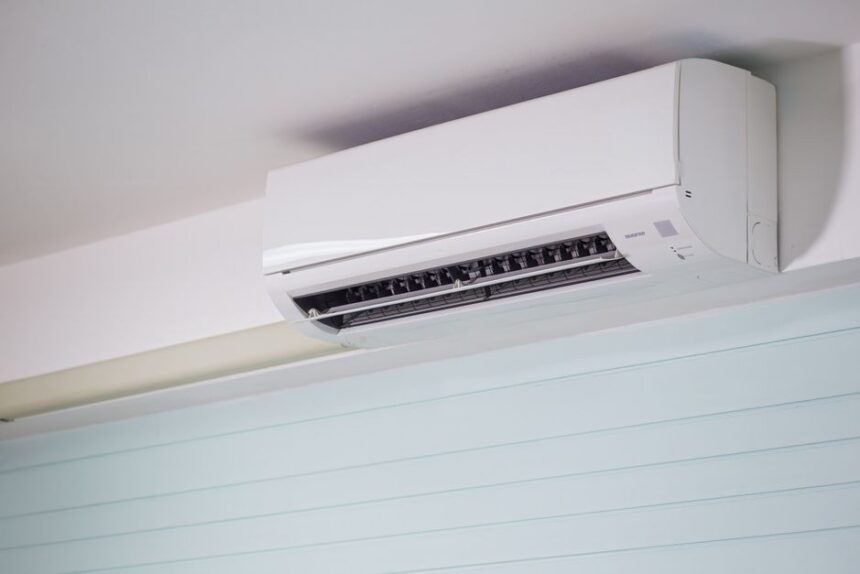
When summer heat settles in, your home can shift from comfortable to stubbornly stuffy in a hurry. You feel it first in the rooms that never quite cool down, then in the electric bill that arrives with a little attitude. If you want better comfort without throwing money at every thermostat adjustment, it helps to know what actually works. A cooler home usually comes down to a mix of smarter habits, basic maintenance, and catching small HVAC problems before they turn into expensive ones.
Pay Attention to the Early Warning Signs From Your AC
Air conditioners rarely fail out of nowhere. Most systems send out distress signals first, but they’re easy to ignore until the house feels like a toaster oven.
Weak airflow is one of the biggest signs. If certain vents barely push air, you could be dealing with a clogged filter, duct issue, or failing blower component. Warm air coming from the vents is another red flag, especially when the thermostat is set correctly.
Listen to sounds too. Rattling, buzzing, grinding, or frequent clicking often points to loose parts or electrical trouble. AC units aren’t supposed to sound like they’re improvising percussion.
Moisture around the unit can also signal a blocked drain line or refrigerant issue. Strange odors, especially musty or burning smells, deserve quick attention.
If your system keeps running without cooling the house well, getting an air conditioning repair service can prevent a rough breakdown during the hottest stretch of the season.
Watch for these clues:
– Uneven cooling between rooms
– Higher humidity indoors
– Sudden spikes in energy bills
– Frequent on-and-off cycling
– New noises or smells from the system
Catching these issues early usually costs less than waiting for the system to quit on a 95-degree day.
Start With the Habits That Affect Indoor Temperature Most
You don’t need a full home upgrade to make a noticeable dent in indoor heat. A few daily habits can change how hard your cooling system has to work.
Start with sunlight. Rooms with direct afternoon sun heat up fast, especially if you have older windows. Close blinds or curtains during peak daylight hours. Blackout curtains can make a bigger difference than people expect.
Your appliances matter too. Ovens, dryers, and even long hot showers add indoor heat. If possible, cook earlier in the day, use the microwave more often, and run heat-producing appliances at night.
Ceiling fans also help, but only if they rotate the right way. In summer, the blades should spin counterclockwise to push cool air downward. It sounds minor, yet it can make a room feel several degrees cooler.
A practical routine helps:
– Keep blinds closed in sun-heavy rooms
– Run major appliances after sunset
– Use bathroom and kitchen exhaust fans briefly
– Set ceiling fans for summer rotation
– Keep interior doors open for better airflow
Small adjustments stack up quickly. Your AC gets a lighter workload, and you get a home that feels less like a greenhouse with furniture.
Don’t Skip Maintenance Just Because the System Still Runs
A running AC isn’t always a healthy AC. Plenty of systems keep limping along while losing efficiency, wearing out parts, and pulling more electricity than they should.
The air filter is the obvious starting point. If it’s dirty, airflow drops and your unit has to work harder. Many homes need a filter check every month during heavy-use periods, especially if you have pets, dust, or allergy concerns.
Outdoor condenser units need space to breathe. Leaves, grass clippings, and overgrown plants can trap heat around the equipment. A couple of feet of clear space around the unit helps performance more than most people realize.
Professional tune-ups matter because technicians can inspect refrigerant levels, electrical connections, coils, drain lines, and moving parts that homeowners usually can’t assess safely. That kind of maintenance can improve efficiency and extend equipment life.
A smart maintenance checklist includes:
– Replace or clean filters regularly
– Clear debris around the outdoor unit
– Check vents for blockage from rugs or furniture
– Test the thermostat for accuracy
– Schedule seasonal professional inspection
Maintenance isn’t glamorous, and nobody brags about replacing a filter. Still, it’s one of the cheapest ways to avoid expensive repairs and uneven cooling.
Use Your Thermostat Strategically Instead of Constantly Adjusting It
A lot of people treat the thermostat like a volume knob. If the house feels warm, they crank it way down hoping for faster cooling. AC systems don’t work that way.
Setting the temperature drastically lower doesn’t cool the home faster. It only tells the system to run longer, which can waste energy and increase wear. A steady setting usually works better than constant changes.
If you’re away during the day, raise the thermostat a few degrees and lower it shortly before you return. A programmable or smart thermostat can handle this automatically. That helps reduce energy use without turning your home into a sauna.
Placement matters too. If your thermostat sits near a sunny window or a heat-producing appliance, it may read the room incorrectly and force the system to overcool.
Try these thermostat habits:
– Keep settings consistent when possible
– Raise the temperature slightly when away
– Avoid dramatic temperature swings
– Upgrade to a programmable thermostat if needed
– Check placement if cooling feels off
The goal isn’t to suffer through summer in the name of efficiency. It’s to cool your home with fewer wasteful patterns and fewer “why is this bill so high?” moments.
Know When Home Cooling Problems Point to Bigger House Issues
Sometimes the AC isn’t the real problem. It’s just the machine working overtime to compensate for flaws elsewhere in the house.
Poor insulation can let cool air escape and outdoor heat seep in, especially through attics, crawl spaces, and older walls. Air leaks around doors and windows do the same thing. If some rooms stay hot no matter what, duct leaks or poor duct design may be part of the issue.
Humidity is another clue. If the air feels sticky indoors, your cooling system may be oversized, poorly maintained, or struggling with ventilation issues. Comfort isn’t only about temperature. Moisture plays a big role in how your home feels.
A broader home check can help you spot where money is slipping out:
– Inspect weatherstripping around doors and windows
– Seal visible air leaks with caulk where appropriate
– Add attic insulation if levels are low
– Look for hot and cold spots across the house
– Have ductwork evaluated if airflow is inconsistent
Cooling problems often have layers. The AC unit gets blamed first because it’s the obvious suspect, but your home’s envelope, airflow, and insulation can quietly drive up costs in the background.
Build a Cooling Plan Before the Next Heat Wave Hits
The best time to think about summer cooling is before your system starts struggling. Once a heat wave lands, repair schedules get packed, utility bills climb, and small issues become urgent ones.
You’ll save money and stress by making a simple plan. Check your filter, clear the outdoor unit, test your thermostat, and pay attention to signs your AC isn’t performing normally. If the house feels humid, unevenly cooled, or unusually expensive to keep comfortable, take it seriously.