Smart home technology has come a long way from just asking a speaker to play music or dim the lights. Today, it’s a powerful tool that really boosts personal safety and helps people live independently. For older adults, those with mobility challenges, or anyone living alone, connected devices offer a new layer of security and support that used to be impossible. These systems can keep an eye on the environment, automate emergency steps, and provide a crucial link to help when it’s most needed.
The Evolution of Connected Homes
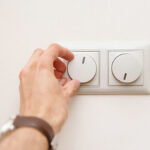
The idea of a “smart home” isn’t new, but what it can do has grown incredibly. Early versions were things like programmable thermostats or light switches that turned on at certain times. They were useful, but they worked on their own. The real change happened with the rise of the Internet of Things (IoT), where everyday objects have sensors and can connect to the internet, letting them talk to each other and to us.
This shift has turned houses into responsive spaces. Now, a central hub like a smartphone or a voice assistant can manage many devices at once. This connection is the core of modern connected homes, where individual gadgets work together to make a living space safer, more efficient, and more aware. What started as a convenience has become a key part of modern home safety and accessibility.
Beyond Convenience: Smart Safety Features
While automated lighting and climate control are nice perks, the real value of smart technology is how it protects and helps people. Smart safety devices work around the clock, offering proactive protection that older systems just can’t match. For example, a smart smoke and carbon monoxide detector doesn’t just sound an alarm; it can also send an alert to your phone and to family members, no matter where they are.
Other important safety features include:
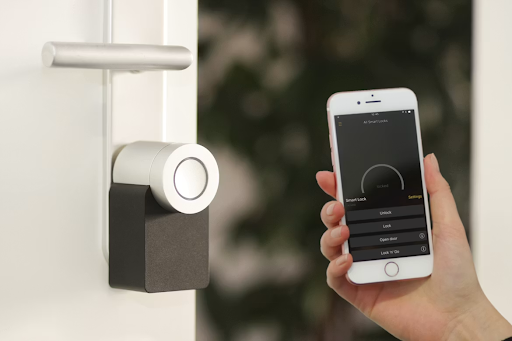
- Smart Locks: These let you give temporary access to caregivers or emergency responders remotely, so you don’t need to hide a key. You can also get alerts whenever the door opens.
- Water Leak Sensors: Put these under sinks or near appliances, and they can spot moisture, immediately telling you about a leak. This prevents water damage and potential slips and falls.
- Smart Plugs: Use these to automatically turn off appliances like space heaters or irons if someone accidentally leaves them on.
While these systems monitor the home, it’s also important to have a direct way to get help for personal emergencies. A dedicated device like a Life Assure medical alert system works with a smart home by giving you an immediate, one-press connection to a response center if you fall or have a medical event.
Monitoring Solutions for Peace of Mind
For family members and caregivers, smart home technology offers a gentle way to check on a loved one. This isn’t about spying; it’s about being aware and reassured. Discreet sensors can help confirm that daily routines are happening as usual, providing comfort without invading privacy or independence.
For instance, motion sensors in hallways can show general activity patterns throughout the day. Contact sensors on a refrigerator or medicine cabinet can indicate if someone has eaten or taken their medication. Even a smart plug connected to a coffee maker can confirm that the day has started normally. When these patterns are consistent, caregivers can relax. If something significantly changes, like no activity by mid-morning, the system can send a notification, prompting a check-in call.
AI and Automation in Emergency Response
Artificial intelligence (AI) is taking smart home safety into a new era. AI algorithms can learn a resident’s typical behaviors and spot anything unusual that might signal a problem. For example, an AI-powered system could recognize if someone has been still for an unusually long time or hasn’t returned to bed during the night, then trigger an alert.
Automation also lets you create “emergency scenes.” If a smoke alarm goes off, the system can automatically:
- Turn on all the lights in the house to show exit paths.
- Unlock smart locks on doors for easy exit and entry for first responders.
- Send an instant notification to your phone and designated emergency contacts.
These automated sequences save crucial seconds in an emergency. As technology improves, these future smart home innovations will become even more advanced, offering predictive alerts and more intuitive responses to keep residents safe.
Integrating Devices for Comprehensive Care
A smart home truly shines when individual devices are brought together into one connected system. When your motion sensors, smart locks, lights, and communication devices work together, they create a safety net that’s much more effective than any single gadget. Bringing different digital tools together can also make everyday tasks more organized and easier to manage.
Imagine this: an older adult living alone falls in the middle of the night. They press the button on their wearable alert device. The system instantly connects them to an emergency operator while also texting family members. At the same time, it turns on the lights in the hallway and living room and unlocks the front door, getting the home ready for paramedics. This smooth, automated response ensures help is called and can arrive as quickly as possible. This level of coordination is what turns a collection of gadgets into a real support system for independent living.
Smart home technology is actively changing what it means to age in place safely. By combining environmental sensors, automated responses, and personal alert systems, we can create homes that not only offer comfort but also actively look out for our well-being.