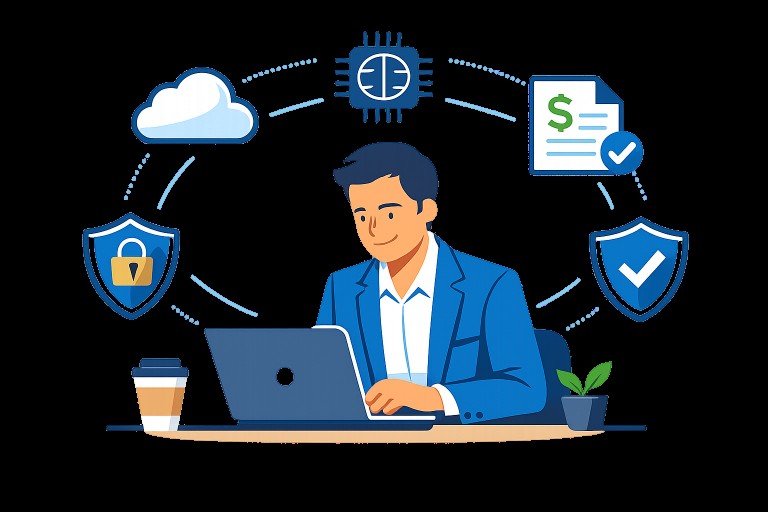
Payroll management is evolving rapidly, led by breakthroughs in technology and shifting workforce needs. Small business owners must navigate these changes to stay efficient, compliant, and competitive. Leveraging advanced systems, such as an online payroll software platform, is now crucial for staying ahead of the curve and meeting employee expectations in the modern workplace.
The move to digital payroll solutions unlocks numerous benefits. From streamlining complex calculations to empowering employees with self-service tools, today’s payroll innovations help businesses boost productivity, minimize errors, and enhance satisfaction. Adopting these trends ensures not only compliance but also readiness to grow in a changing business landscape.
In this ever-connected environment, small businesses find that future-proofing their payroll systems is about much more than just processing paychecks. It is about optimizing the entire employee payroll lifecycle, reducing risk, and using data to drive smarter decisions. Business owners who stay up to date with the latest advancements are positioned to thrive amidst regulatory and operational shifts.
These changes also mean that integrating payroll with other business functions is increasingly important. Digital tools can help unify finance, HR, and workforce management under one roof. Understanding these key trends will help small businesses navigate the future with confidence. For a broader industry perspective on digital transformation in payroll and HR, Forbes offers more insights on why shifting to cloud-based payroll is critical for adaptability.
Automation and AI Integration
Artificial Intelligence is bringing major efficiency gains to payroll departments. Machine learning algorithms can now handle detailed processes such as tax calculations, benefit deductions, and wage garnishments automatically. This reduces human error, accelerates payroll cycles, and ensures continuous compliance with complex regulations. An example of this innovation is the Next-Gen AI Payroll Agent in QuickBooks, which helps small businesses manage payroll processes with increased accuracy and less manual effort. You can read more about this development from Software Experts.
Cloud-Based Payroll Systems
Cloud-based payroll solutions are quickly becoming the gold standard for businesses of all sizes. These platforms provide secure anytime access to payroll data for both HR staff and employees. Cloud payroll eliminates the need for expensive on-site servers, making advanced tools and automated updates readily available. Small businesses benefit from increased agility, simplified compliance, and the ability to grow without significant infrastructure investments. For comprehensive details on the advantages and considerations, SHRM has a useful guide exploring the shift to cloud payroll platforms.
Cloud adoption also supports remote and hybrid work environments, which have become increasingly common across diverse industries. Employees and managers working from different locations can still securely access payroll data, preventing workflow disruptions and improving collaboration. Cloud systems facilitate seamless software upgrades and bug fixes, minimizing downtime and ensuring your business systems use the latest features and protections. Additionally, cloud platforms often include built-in disaster recovery and backup solutions, safeguarding company data in the event of an emergency.
On-Demand Pay and Flexible Payment Options
The traditional bi-weekly or monthly payroll cycle is being replaced with more flexible options. On-demand pay enables employees to access a portion of their earned wages before payday, reflecting a shift toward greater financial wellness. This feature is particularly attractive to gig economy workers who expect faster payments and have immediate cash flow needs. Small business payroll systems are increasingly expected to provide the infrastructure to support instant and secure payouts.
Expanding payment options not only attracts more talent but also boosts employee retention. As more individuals seek flexibility in both how and when they are paid, small businesses that accommodate these needs are likely to see stronger engagement and satisfaction. Providing payment methods such as direct deposit, pay cards, and digital wallets is quickly becoming a standard expectation, allowing businesses to meet diverse employee preferences while simplifying payout processes.
Compliance and Regulatory Updates
Tax codes and labor laws change frequently at the federal, state, and local levels. Keeping up with these updates is a significant challenge for small businesses. Modern payroll platforms incorporate built-in compliance features that automatically update for regulatory changes. This not only reduces the administrative burden but also lowers the risk of penalties and audits by ensuring payroll remains accurate and compliant with the law at all times.
With new regulations around minimum wage, overtime exemptions, and worker classification emerging regularly, staying compliant can easily overwhelm manual processes. Using intelligent payroll solutions helps companies proactively address these evolving demands. Automated alerts and guidance for HR teams enable quick response to legislative changes and foster long-term peace of mind.
Data Analytics and Insights
Advanced analytics capabilities are transforming payroll from a back-office function into a strategic business driver. New tools help employers visualize labor costs, analyze overtime patterns, and project future payroll expenses. With these insights, small business owners can make decisions that optimize staffing, control costs, and support long-term planning. Embracing payroll analytics enhances financial visibility and prepares businesses for proactive workforce management.
By leveraging these analytics, small businesses can also identify trends such as high turnover or recurring payroll discrepancies. These insights can lead to more effective recruitment, refined scheduling strategies, and even targeted training programs. Ultimately, data analytics empower leaders to align payroll management with broader organizational goals, making it a core pillar of business growth.
Integration with Other Business Systems
Integrating payroll with related functions, such as time tracking, accounting, and human resources, delivers significant operational benefits. Data silos are eliminated, reducing the chance for errors and minimizing redundant data entry. Streamlined workflows increase operational efficiency and allow business leaders to see a comprehensive picture of their company’s financial and HR health. This level of integration facilitates better decision-making and supports business growth strategies.
Well-integrated systems support smoother onboarding of new hires by automatically syncing data between payroll, benefits, and HR platforms. This improves employee experience and reduces the likelihood of mistakes during transitions. As businesses grow, the ability to scale processes without increasing administrative burden is essential, and integrated solutions are key to achieving this efficiency.
Employee Self-Service Portals
Employee self-service portals bring transparency and accessibility to payroll management. With these tools, workers can access pay stubs, download tax forms, and update their personal details directly, reducing administrative burdens on HR teams. This self-sufficiency boosts employee satisfaction by giving individuals control and real-time access to their own payroll data, while improving overall accuracy and communication.
Beyond payroll information, self-service solutions can also support employees with PTO requests, benefits enrollment, and access to company-wide announcements. With 24/7 access, via mobile apps or web portals, employees remain engaged and informed, fostering a culture of trust and operational transparency throughout the business.
Cybersecurity Measures
As payroll data increasingly moves online, protecting sensitive employee and business information is a top priority. Cybersecurity solutions such as data encryption, secure access controls, and multi-factor authentication are now essential components in payroll systems. Robust security practices protect payroll systems from breaches and cyber attacks, maintaining trust with employees and regulatory bodies. To learn how small businesses can safeguard their data, visit the Cybersecurity and Infrastructure Security Agency’s resource page.
Regularly auditing access rights and training staff to recognize security threats adds further protection. As cybercrime continues to evolve in sophistication, investing in the latest payroll security measures not only safeguards assets but also demonstrates a commitment to employee privacy and business integrity. Small businesses that prioritize cybersecurity earn their workforce’s trust and are better prepared to respond to digital threats.
Embracing these payroll management innovations helps small businesses stay flexible, compliant, and resilient. Keeping pace with technology and employee expectations will position your business for sustained efficiency and growth in a rapidly changing market.